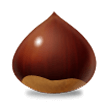
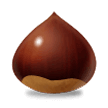
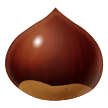
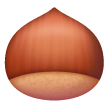
63 recorded appearances across 19 platform families
Platform comparison
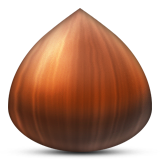
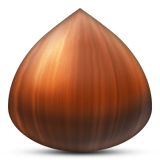
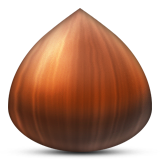
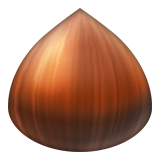
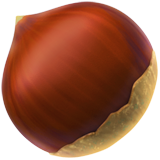
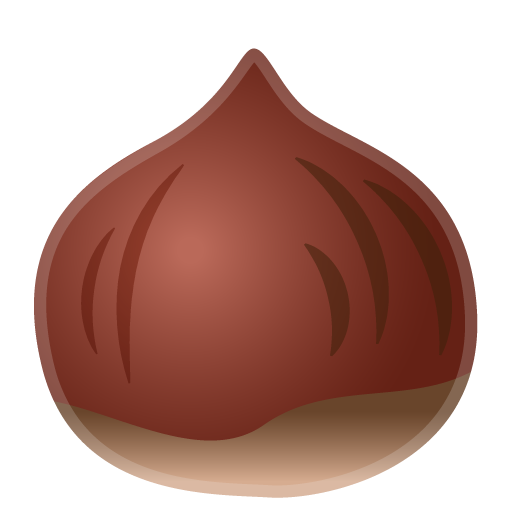
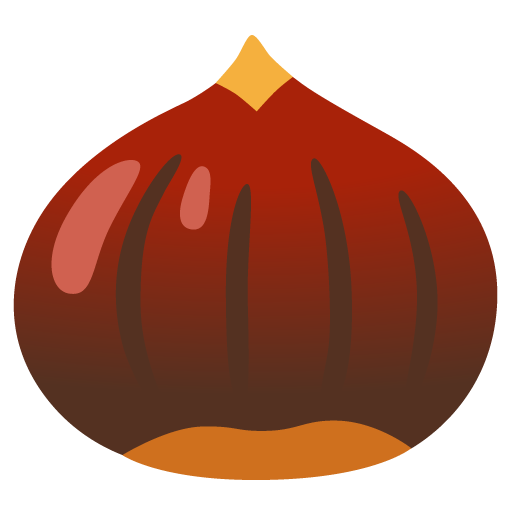
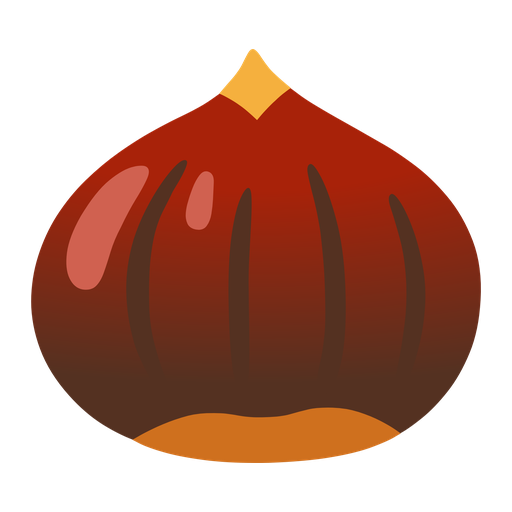
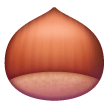
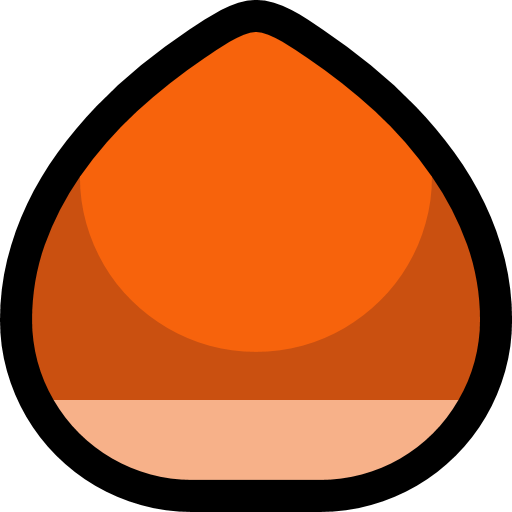
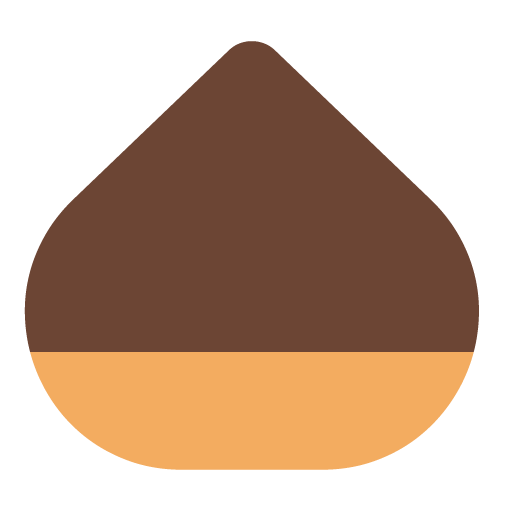
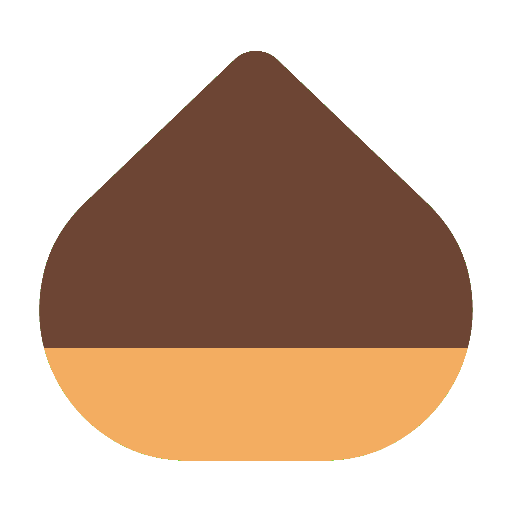
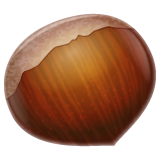
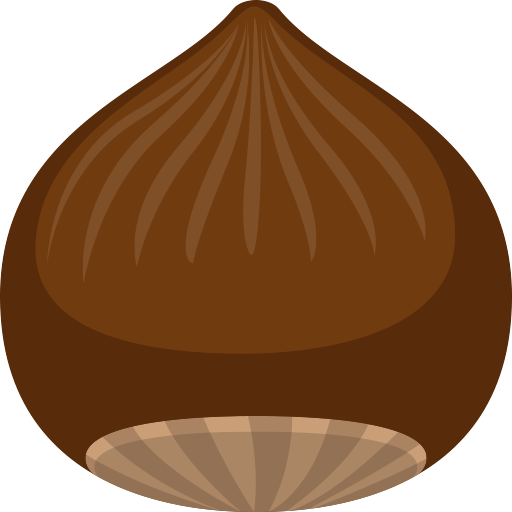
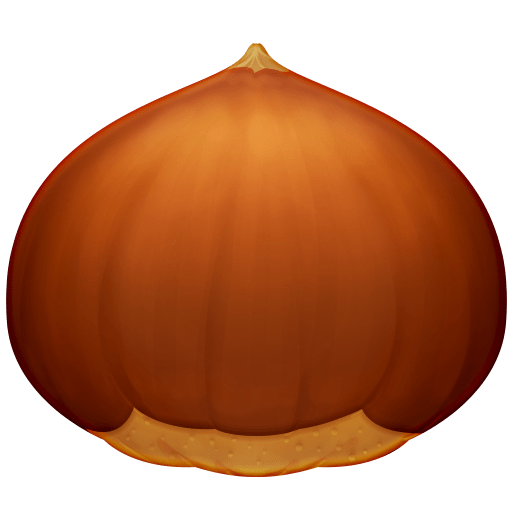
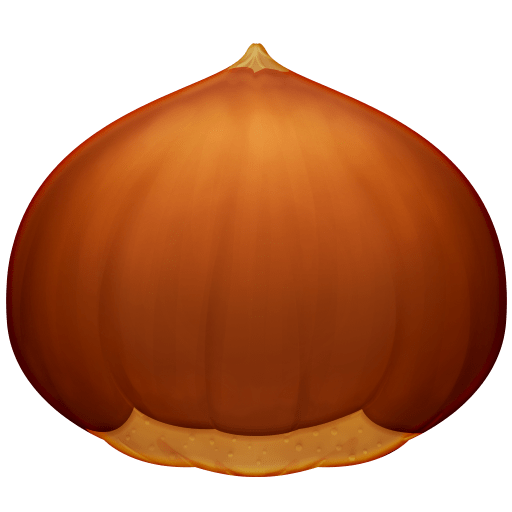
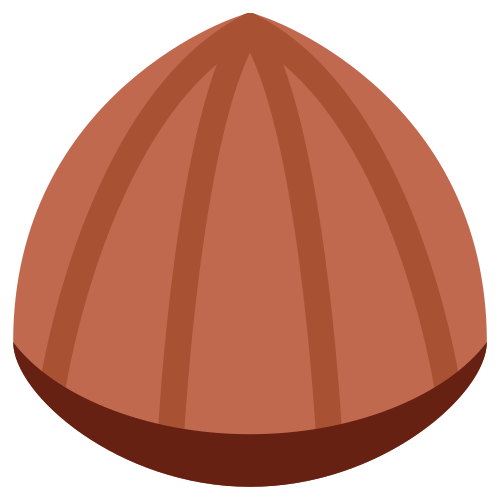
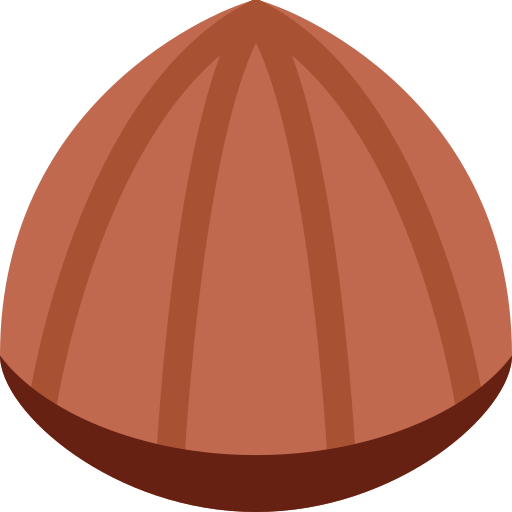
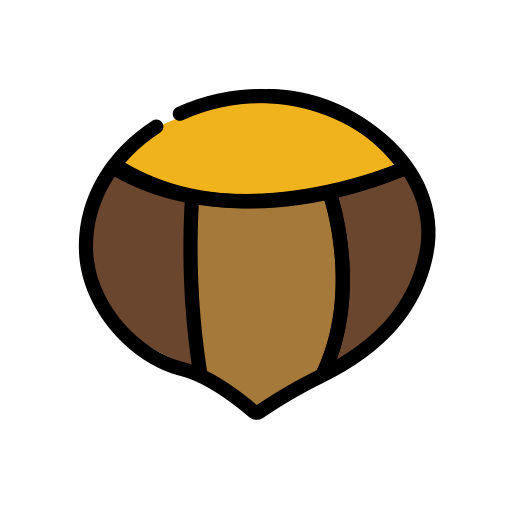
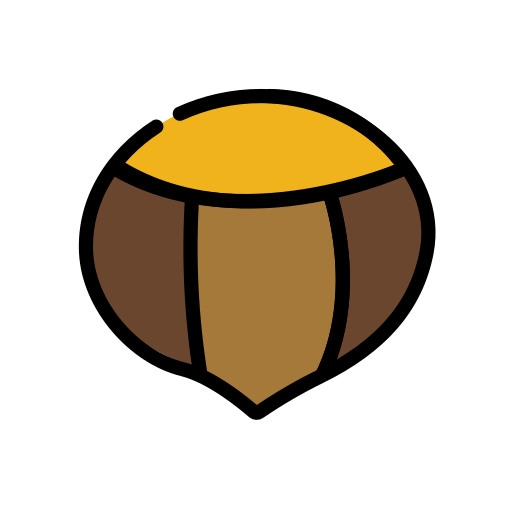
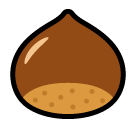
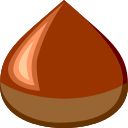
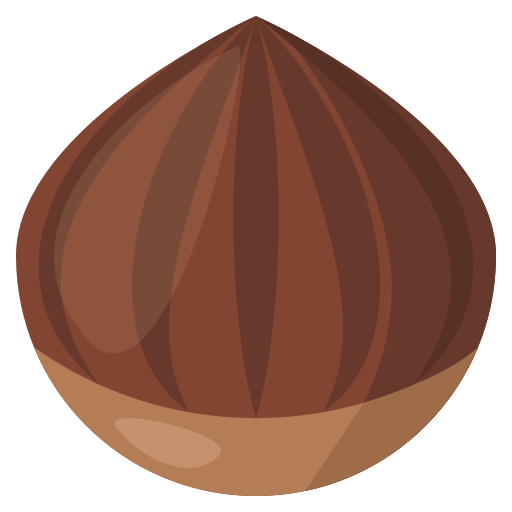
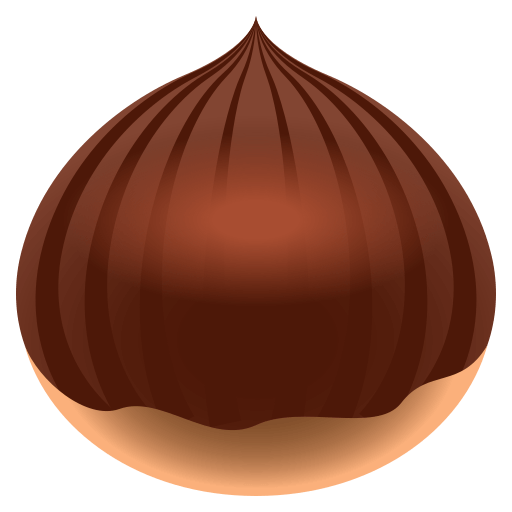
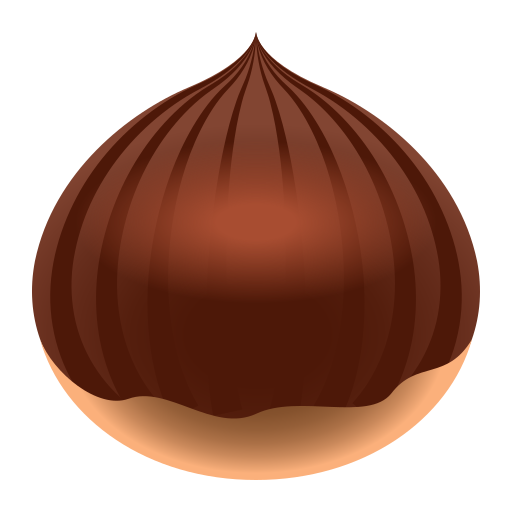
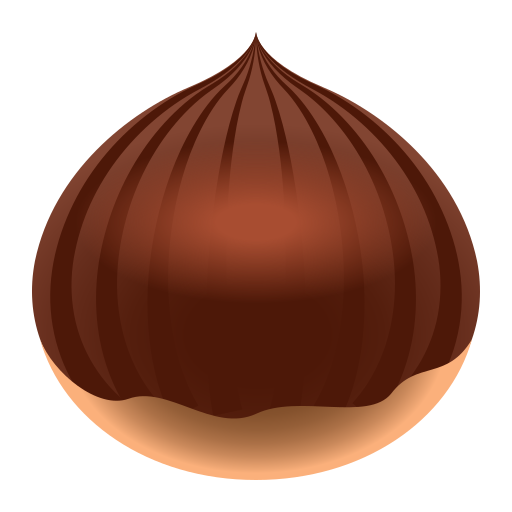
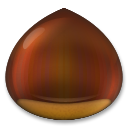
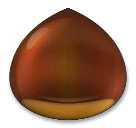
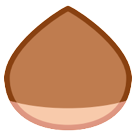
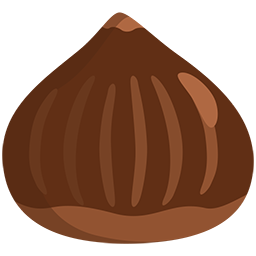
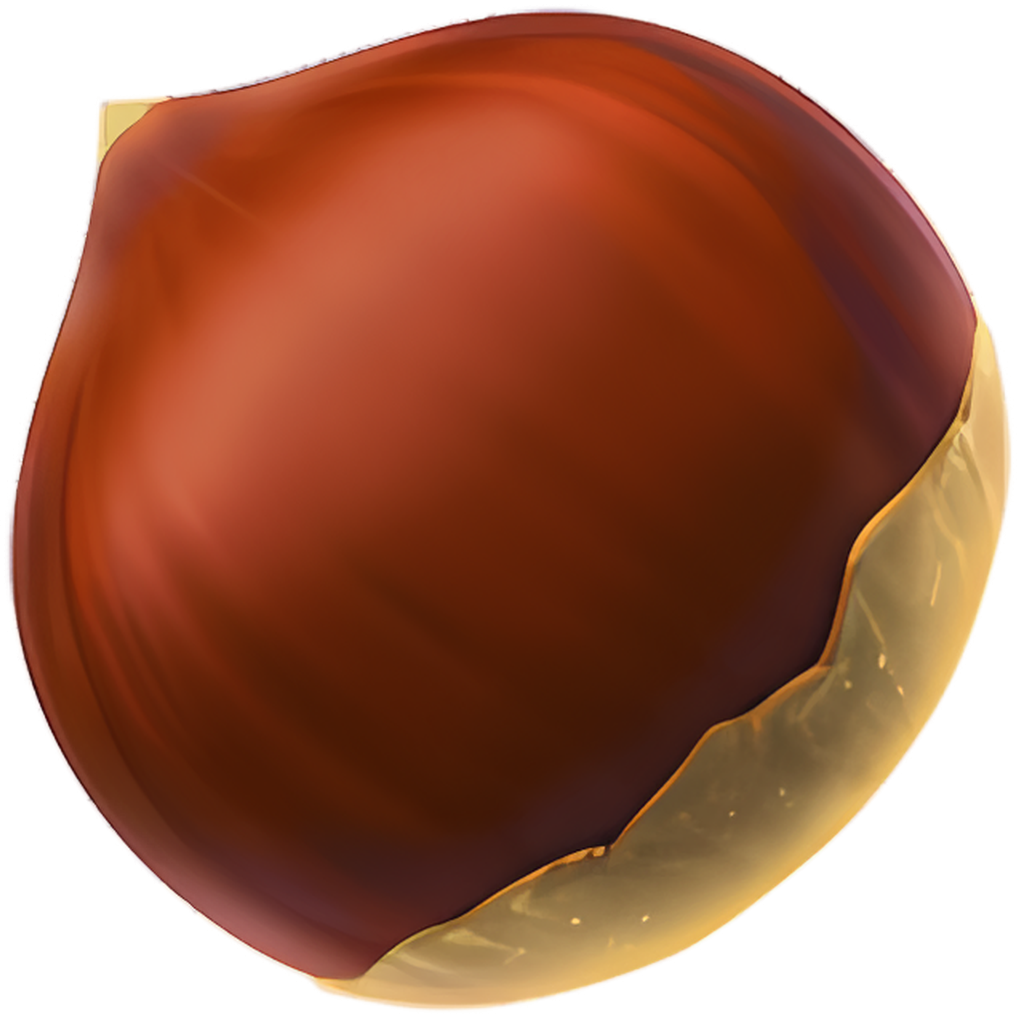
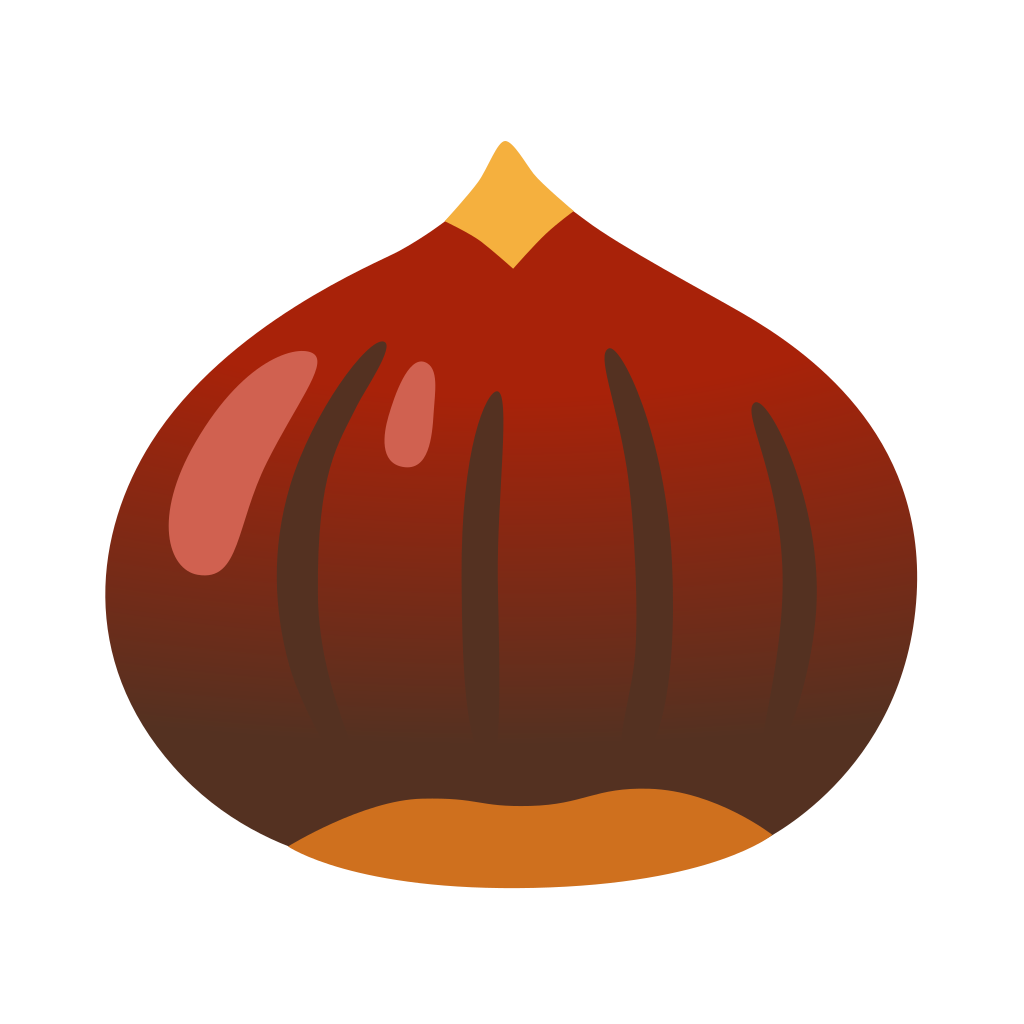
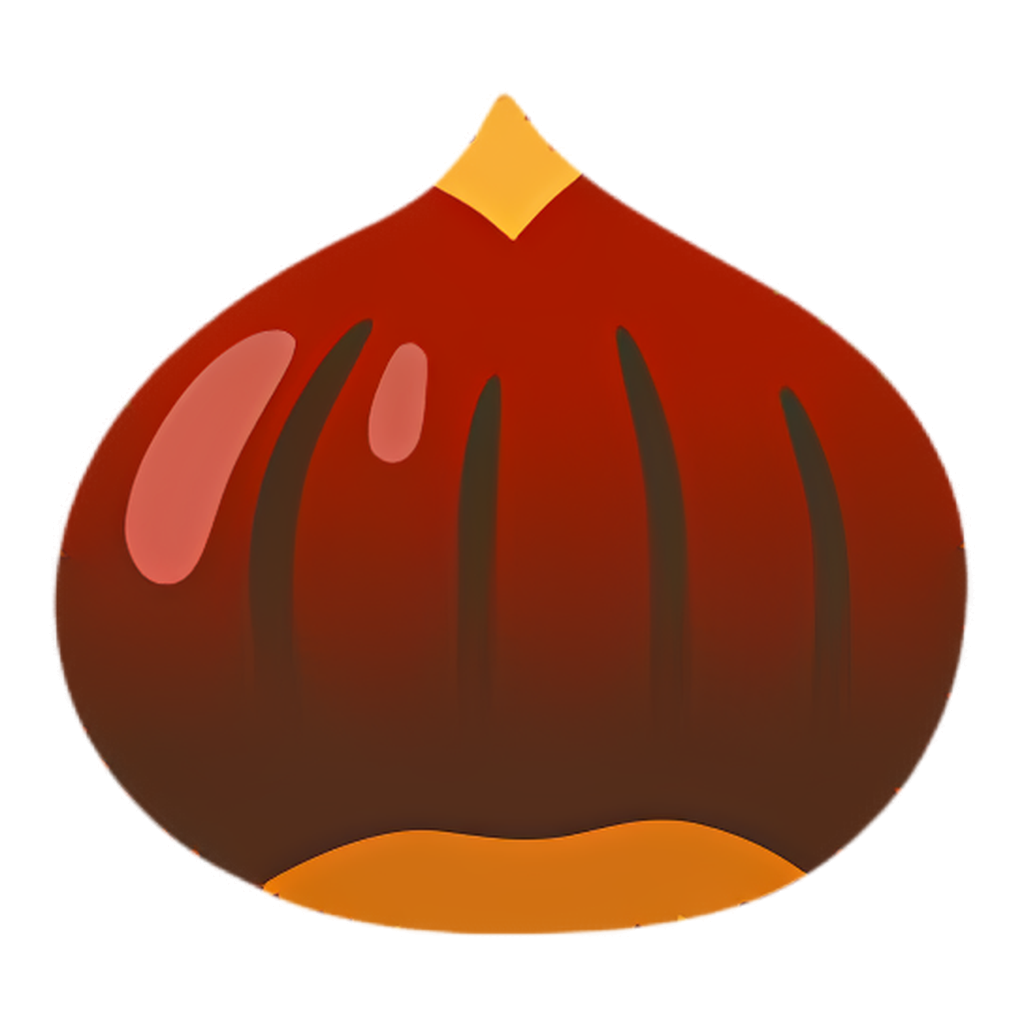
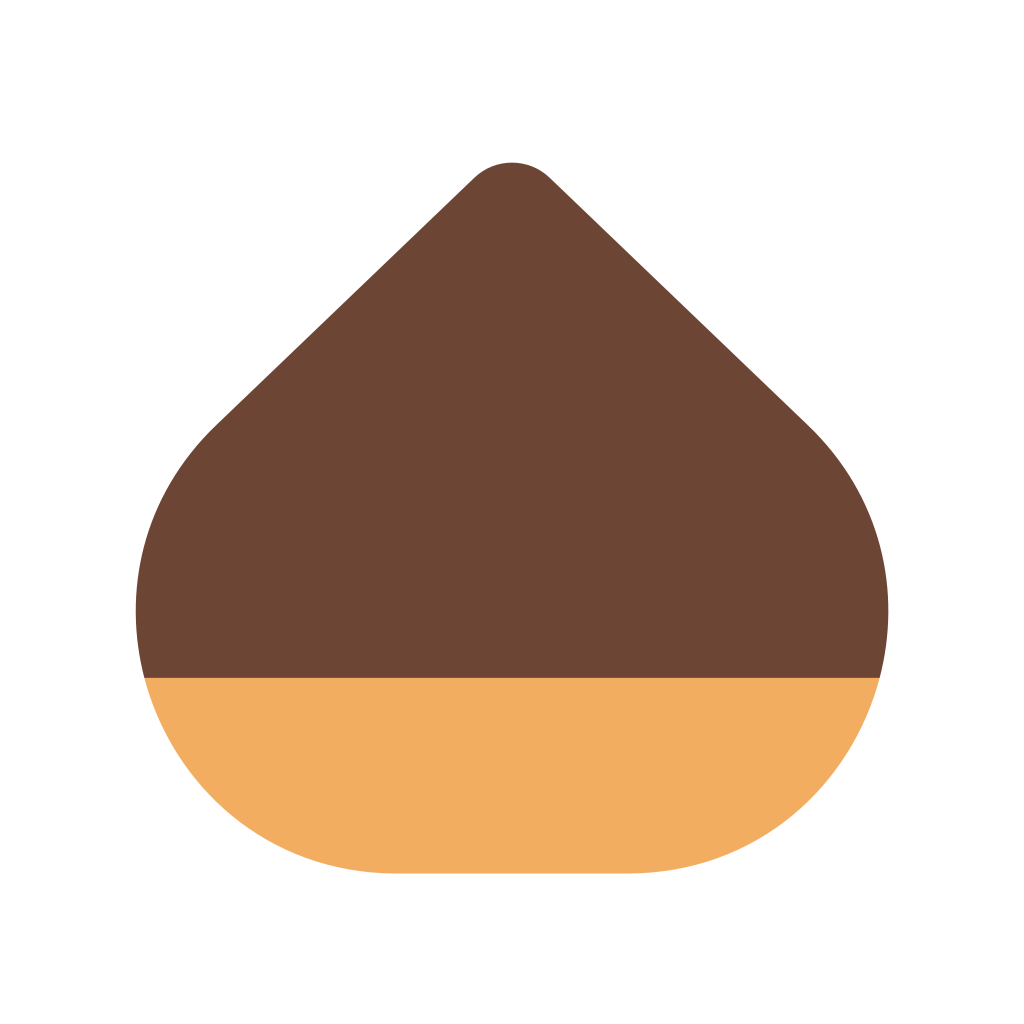
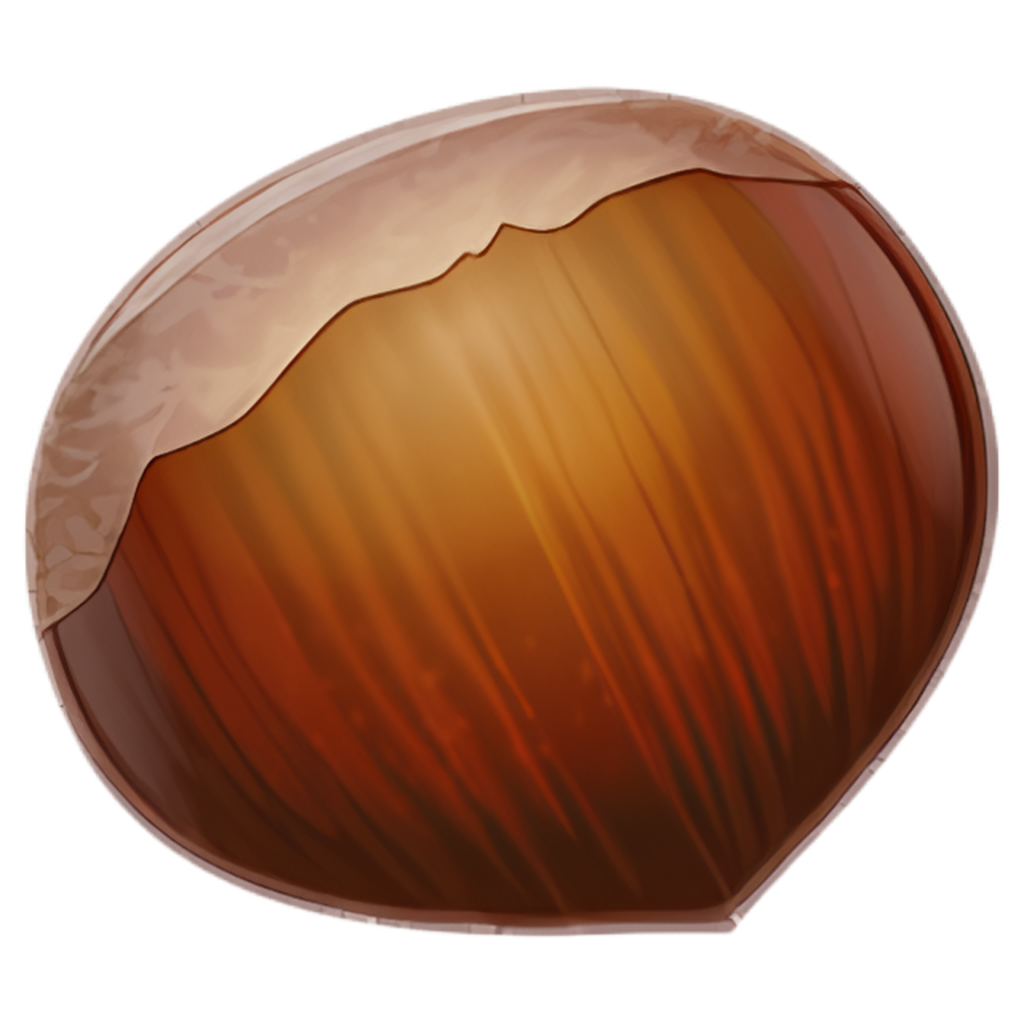
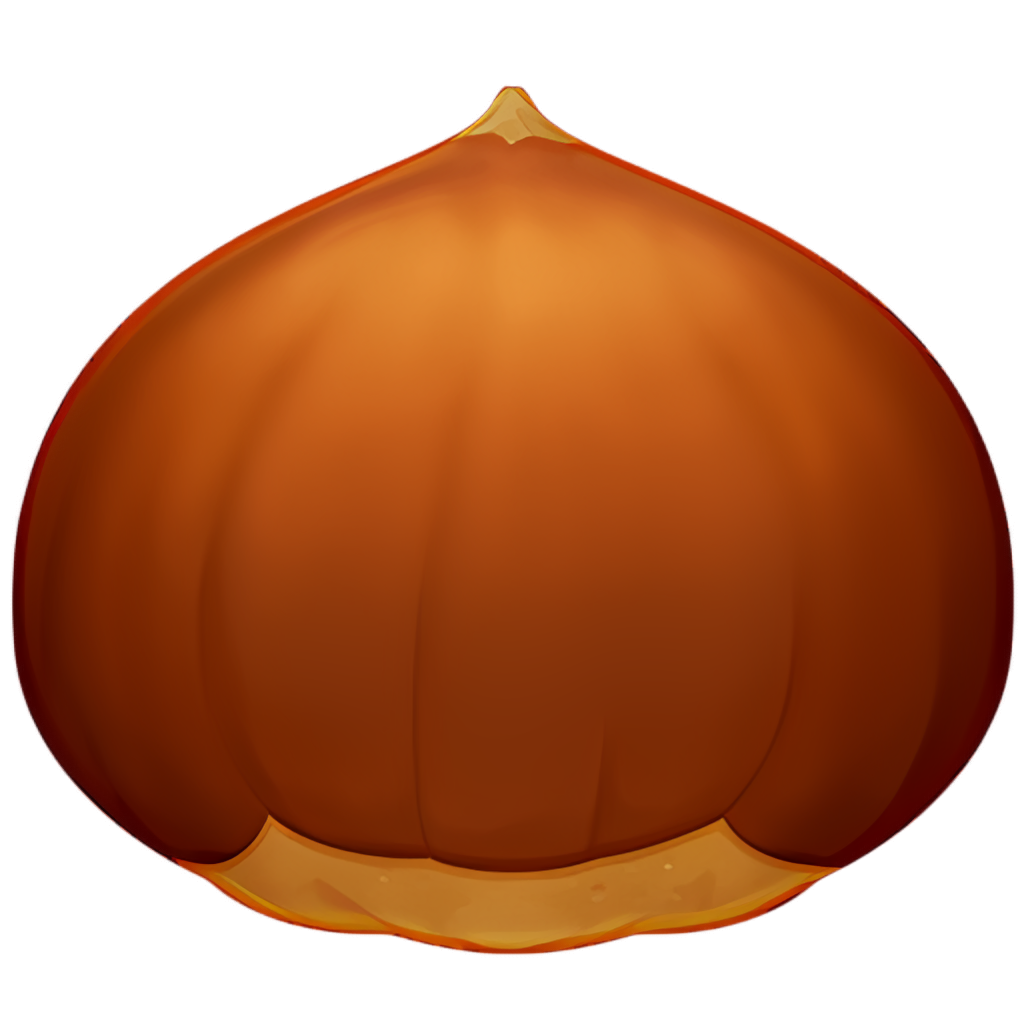
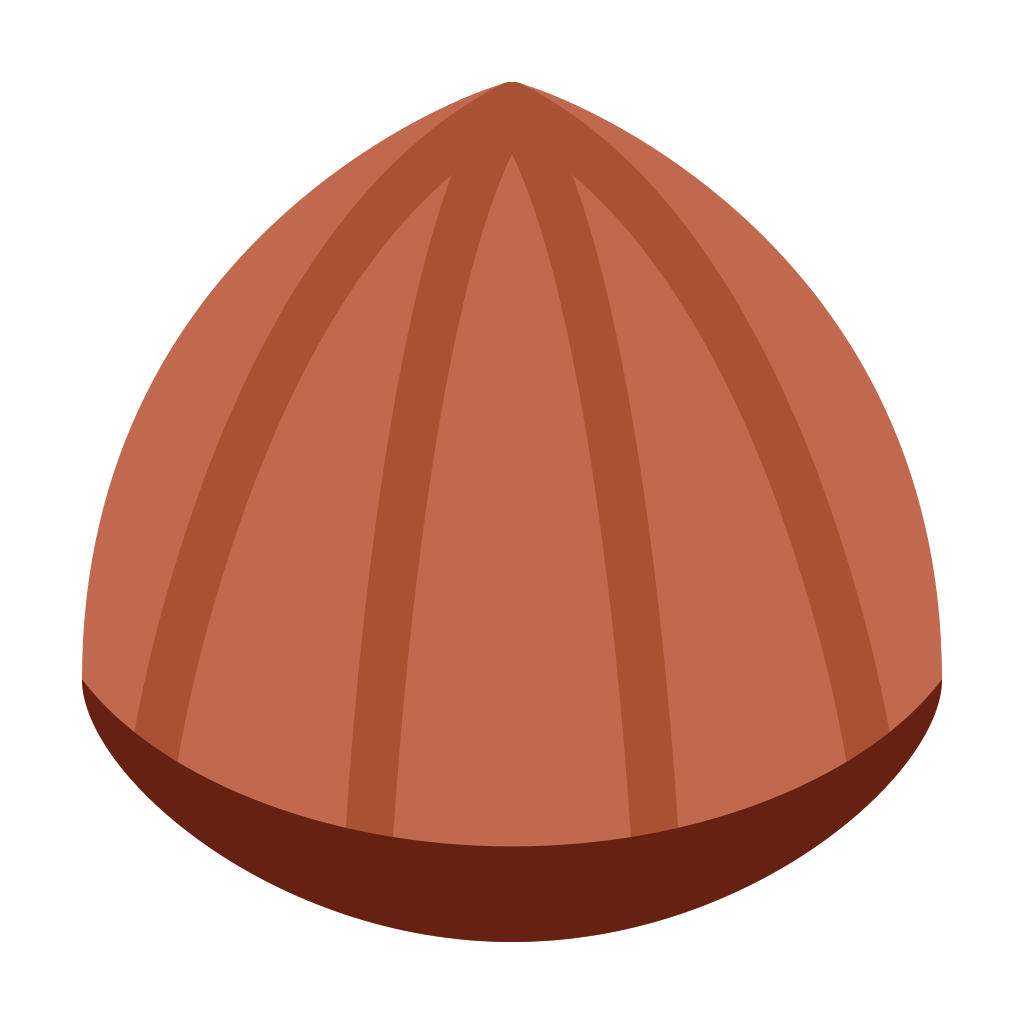
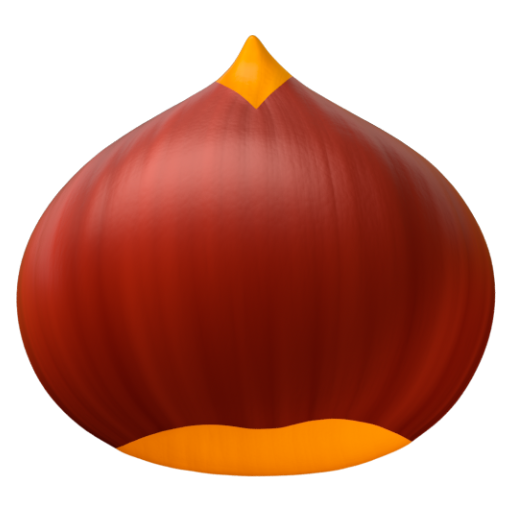
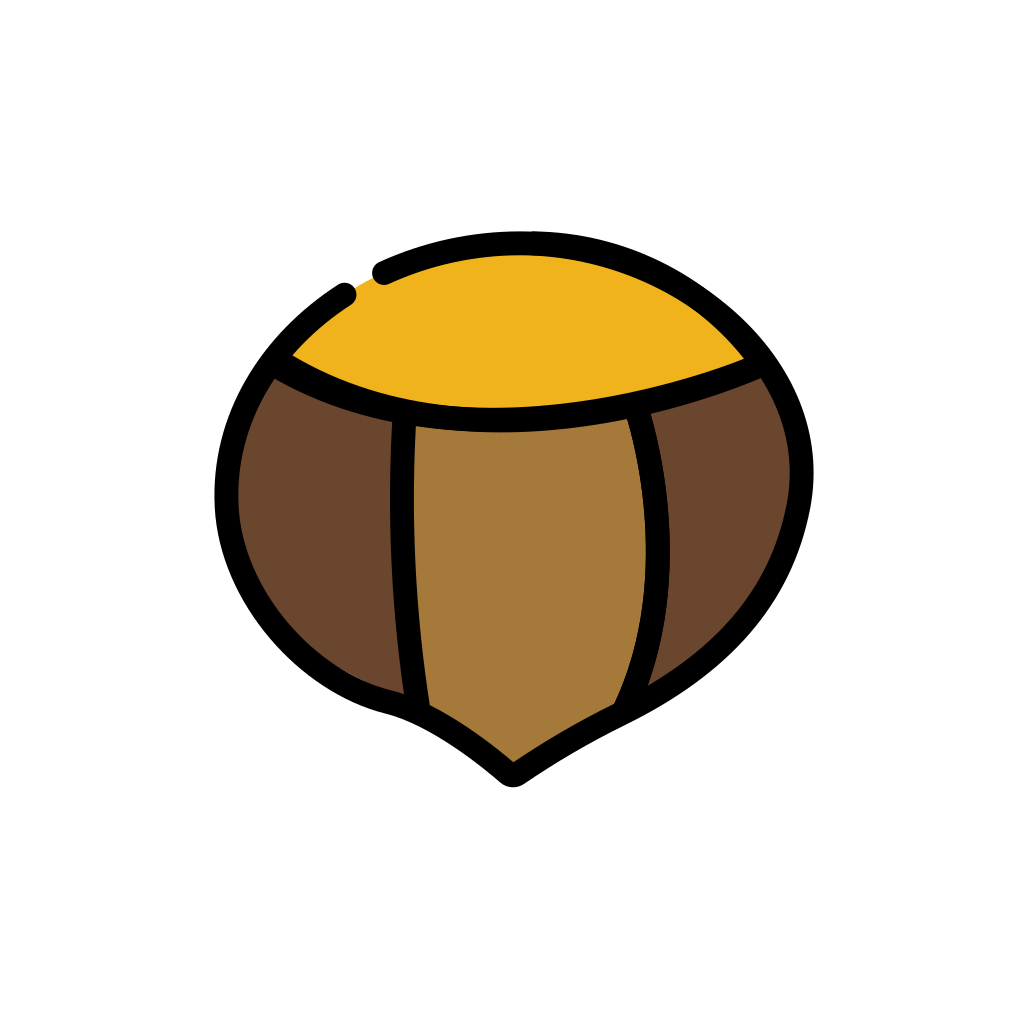
Compare the Chestnut emoji across platforms
10 platform designs
Compare 🌰 in Apple, Google, Samsung and other styles. Download each available version as a transparent PNG directly from its card, or choose SVG where available. Copying the character uses the style of the receiving device.
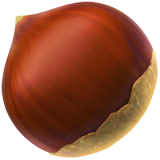
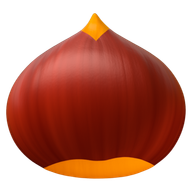
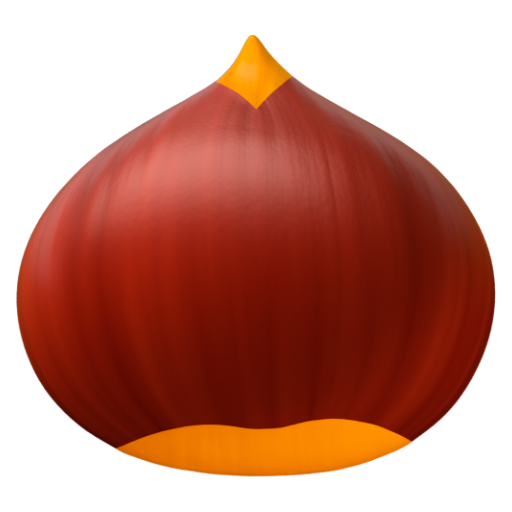
Enhanced PNGs are reconstructed from smaller vendor artwork; the exact originals are shown above for comparison. Artwork credits & usage terms
The visual archive
Chestnut emoji design history
63 recorded appearances across 19 platform families
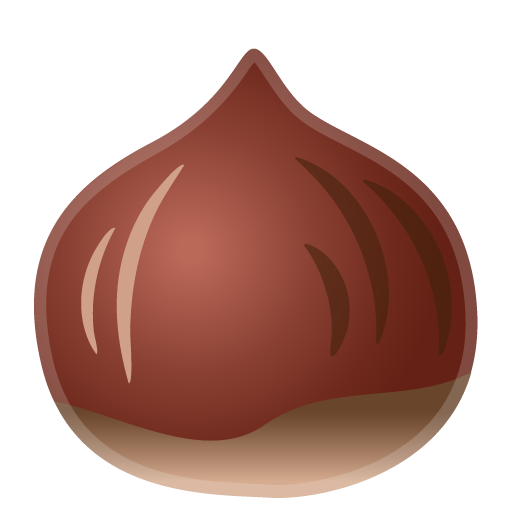
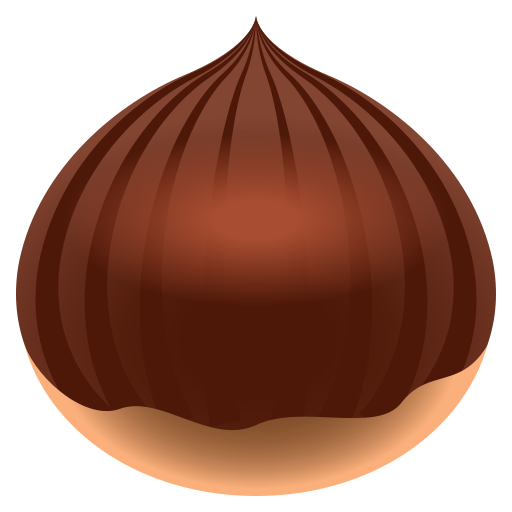
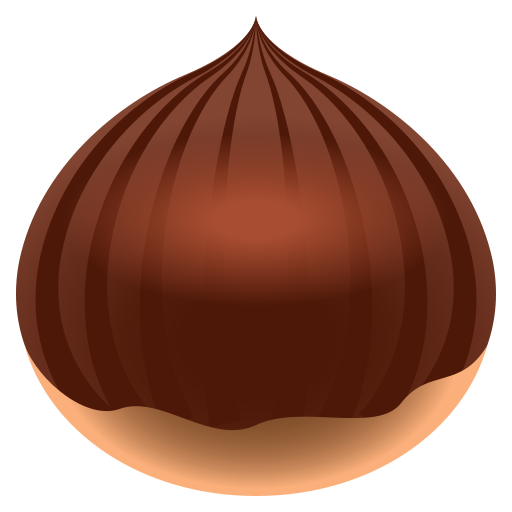
Follow this emoji’s recorded designs, from the earliest artwork on the left to the latest documented version on the right. Download a particular original to keep its platform design.
Original dimensions and animation are preserved. Dates labelled “Date unverified” have not been independently verified; limited-precision records show only the known month or year. Date checks identify the named release, not the first appearance of every drawing. Releases that reuse a drawing are not necessarily separate design milestones. Unavailable originals are marked on their records. How this archive is documented →
The meaning
What does the 🌰 Chestnut emoji mean?
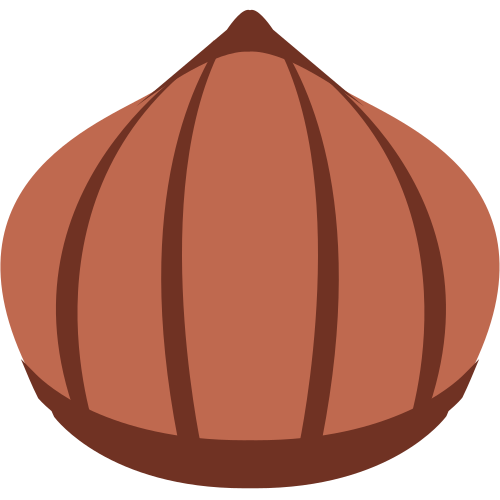
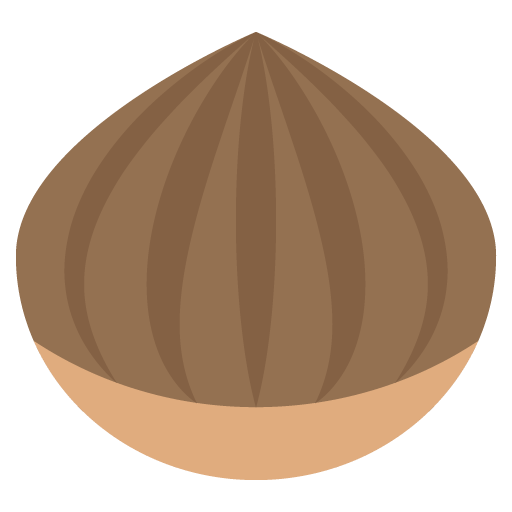
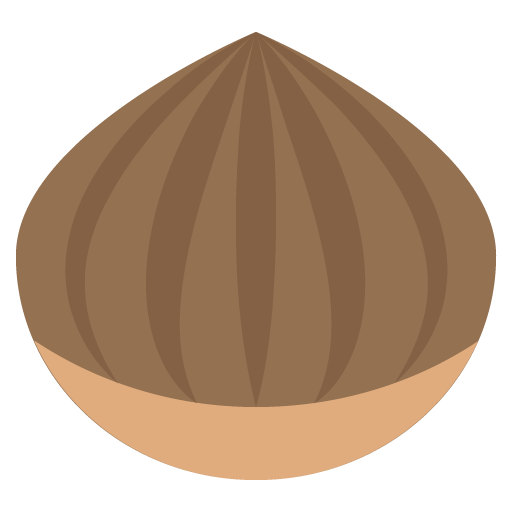
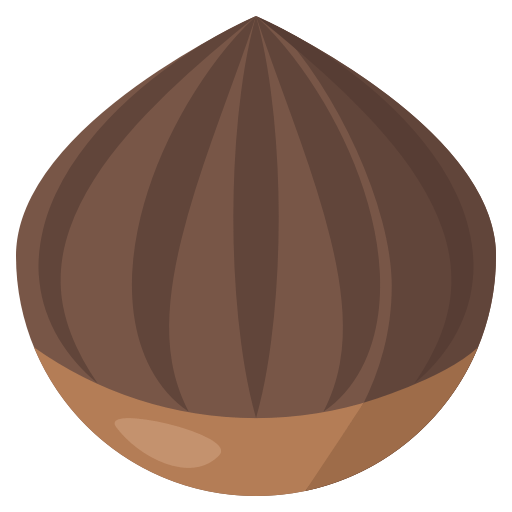
The Chestnut emoji depicts the reddish-brown nut of a deciduous tree, typically narrowing to a pointed tip with a distinctively lighter, flat base. It represents autumn, warmth, and the culinary shift towards earthy flavors. Visually, it captures the glossy sheen of a roasted shell, conveying a sense of seasonal coziness and natural abundance.
Common uses
Signifying the arrival of autumn and the harvesting season.
Used in culinary contexts, specifically regarding roasting, baking, or seasonal street food.
A niche reference to 'Chestnut' hair color or earthy, natural color palettes.
In Japanese digital culture, it represents 'Kuri,' often appearing in discussions about traditional wagashi sweets.
Background
This emoji was introduced as part of Unicode 6.0 in 2010. It has historical mappings to KDDI carrier symbols. It is often confused with an acorn or an onion in low-resolution formats, despite its botanical specificity.
Copy 🌰 to use the Unicode character; the receiving device chooses its appearance. Download an available PNG or SVG to keep a particular drawing. Historical originals retain their native bytes and dimensions. Enhanced PNGs are separately labeled generated derivatives.