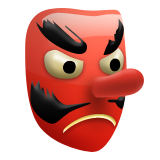
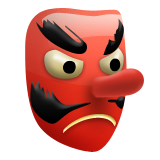
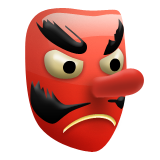
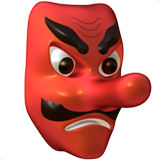
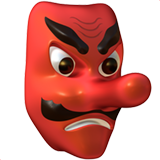
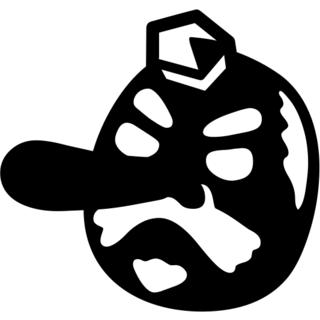
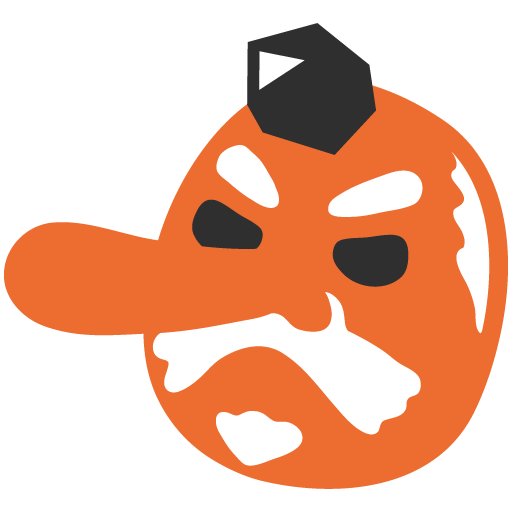
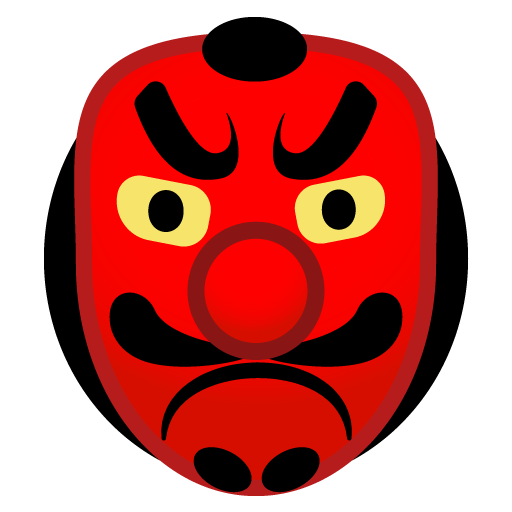
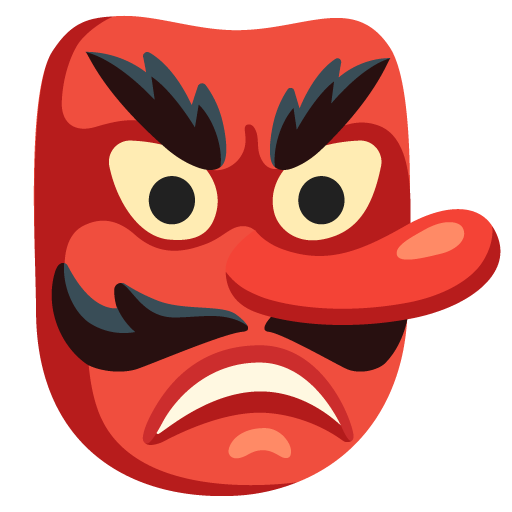
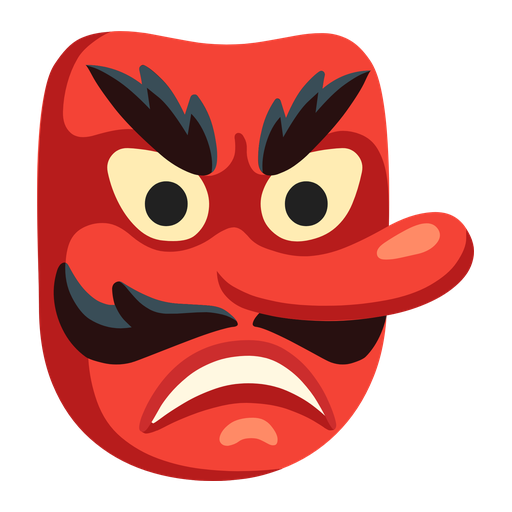
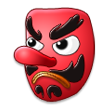
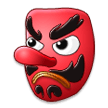
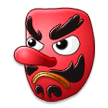
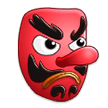
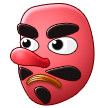
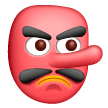
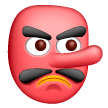
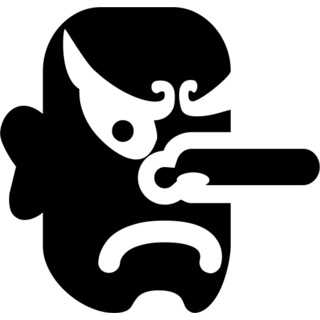
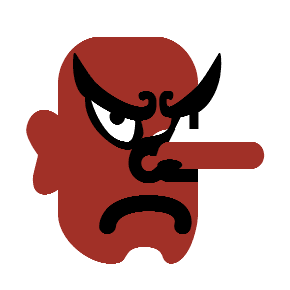
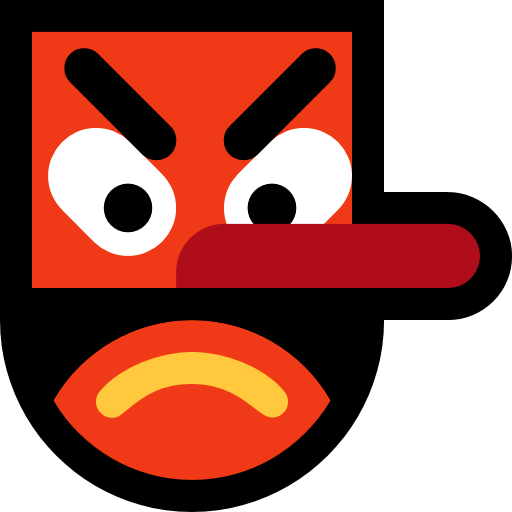
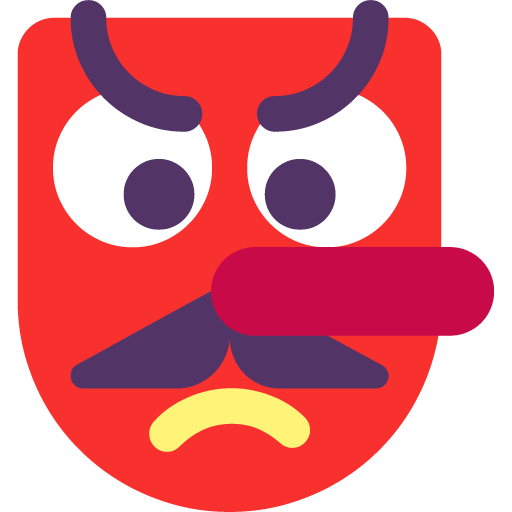
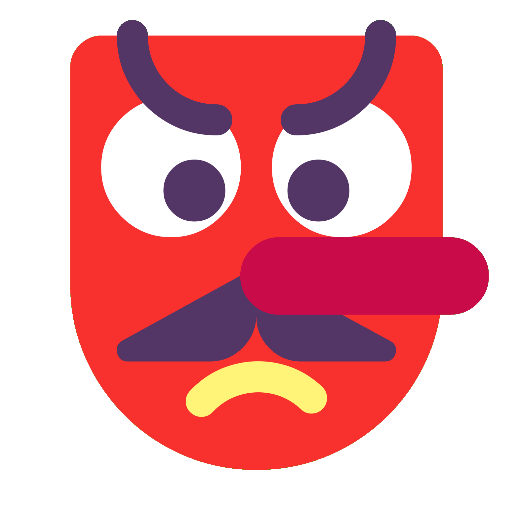
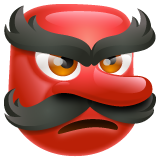
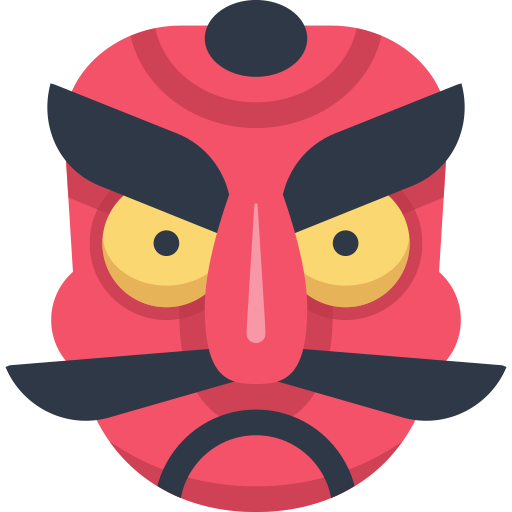
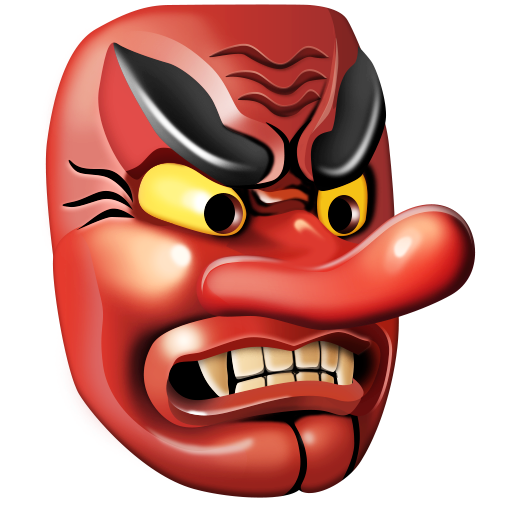
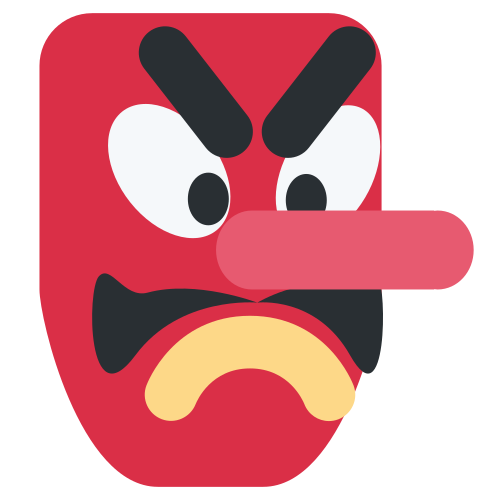
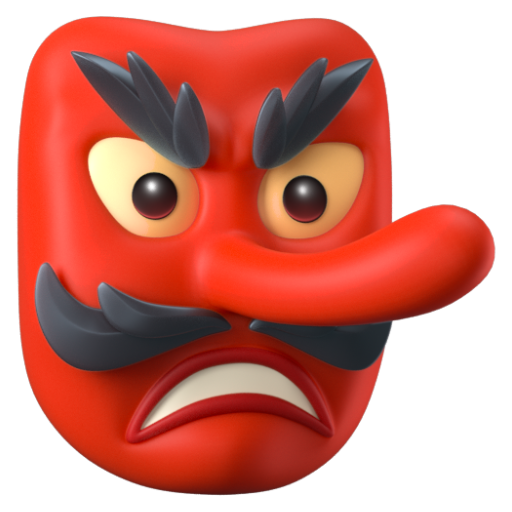
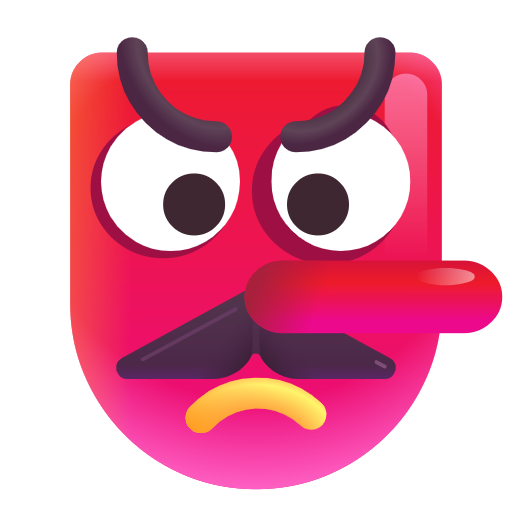
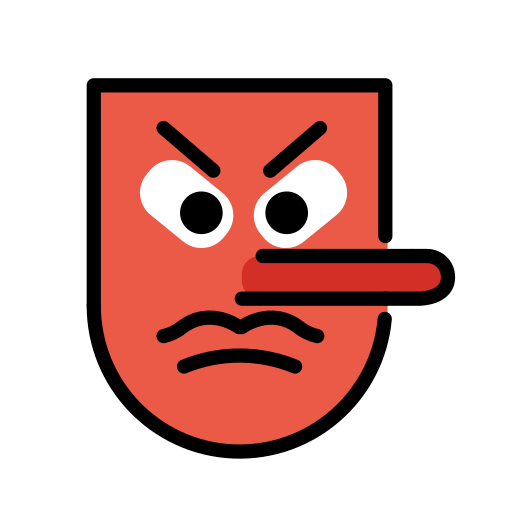
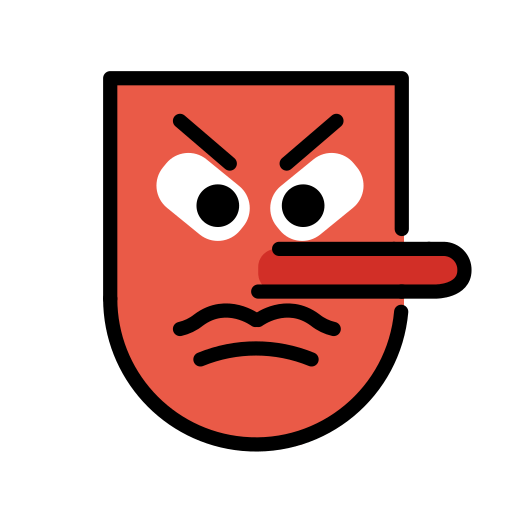
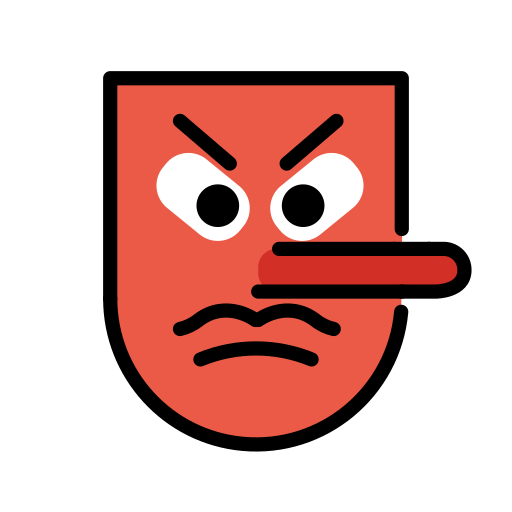
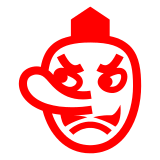
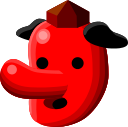
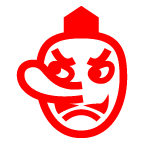
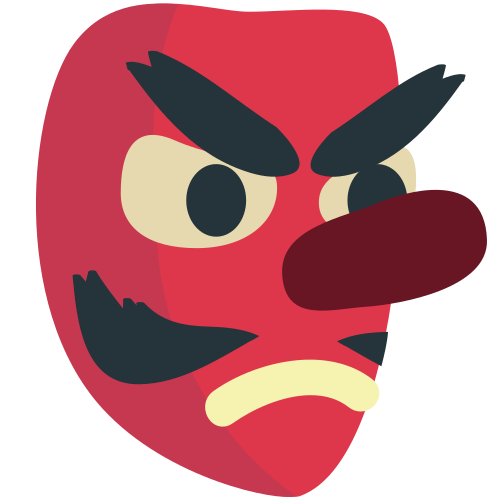
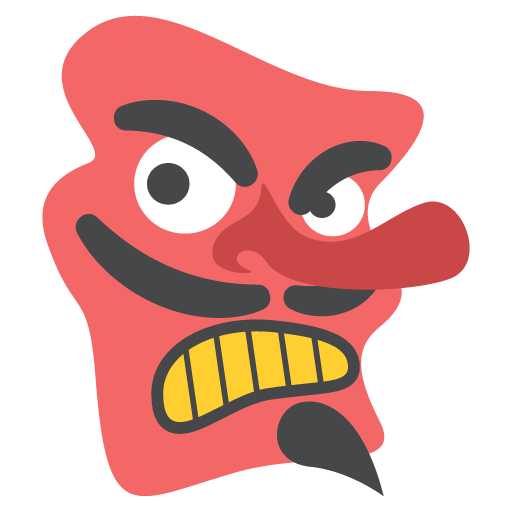
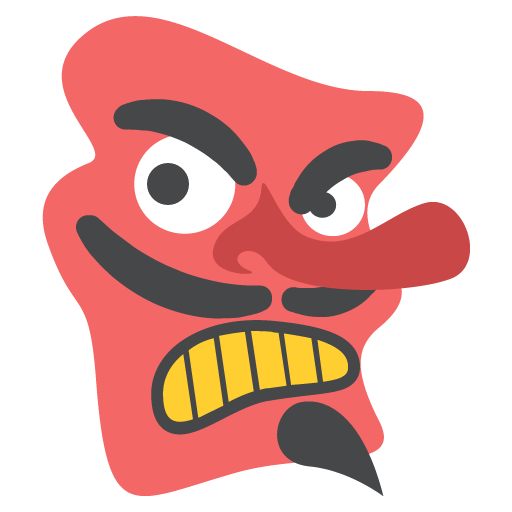
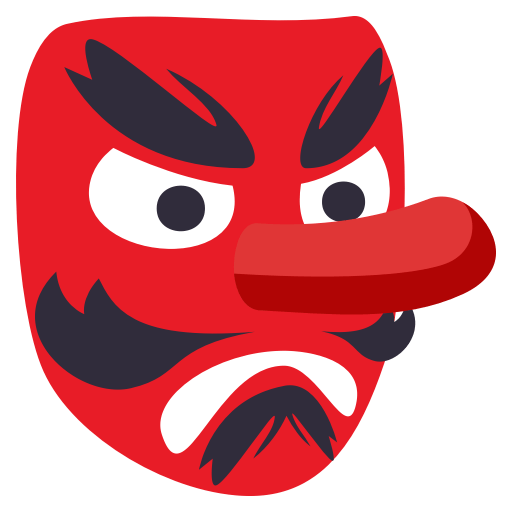
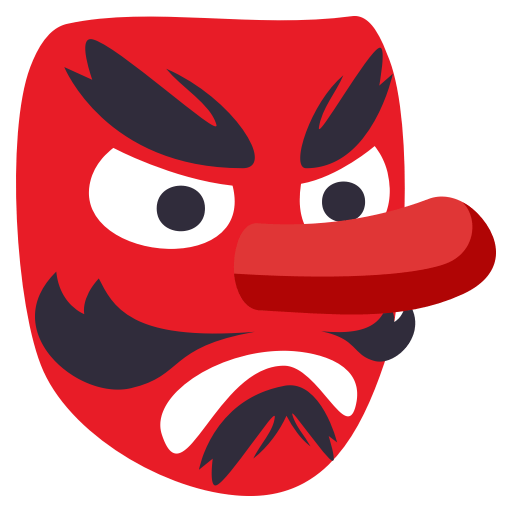
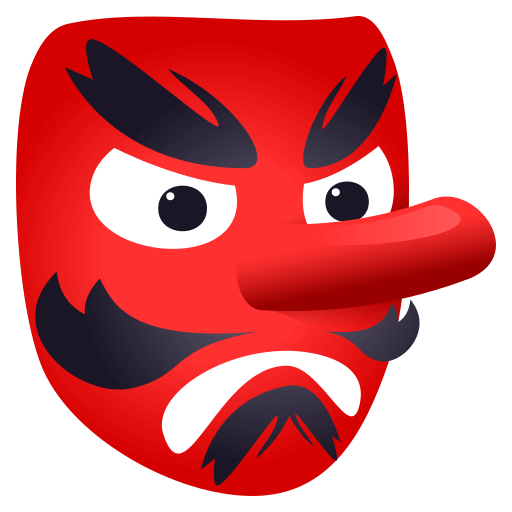
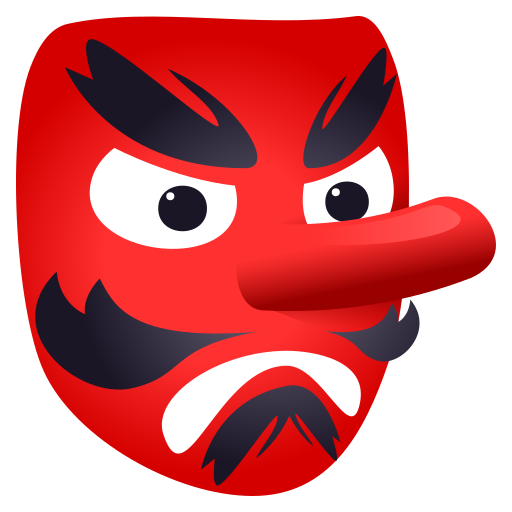
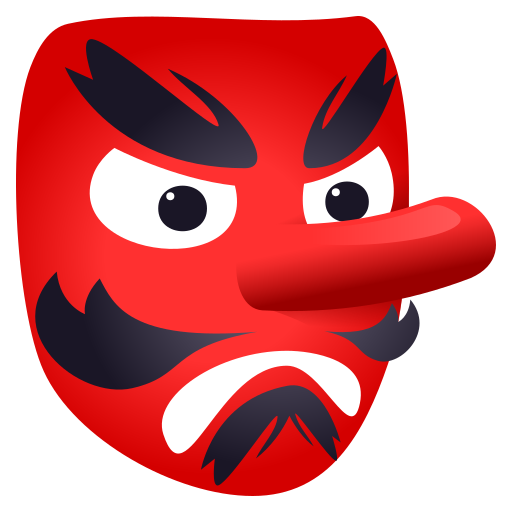
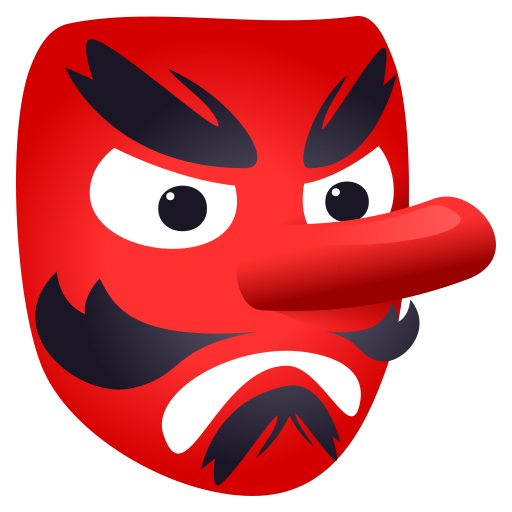
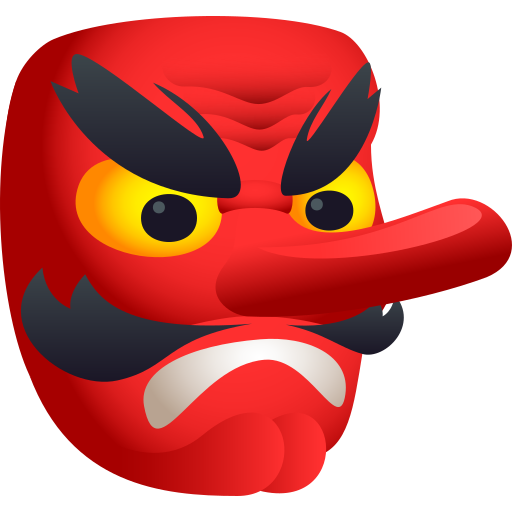
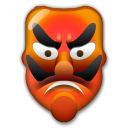
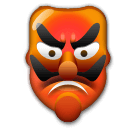
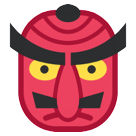
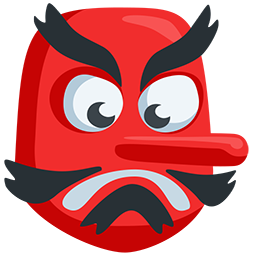
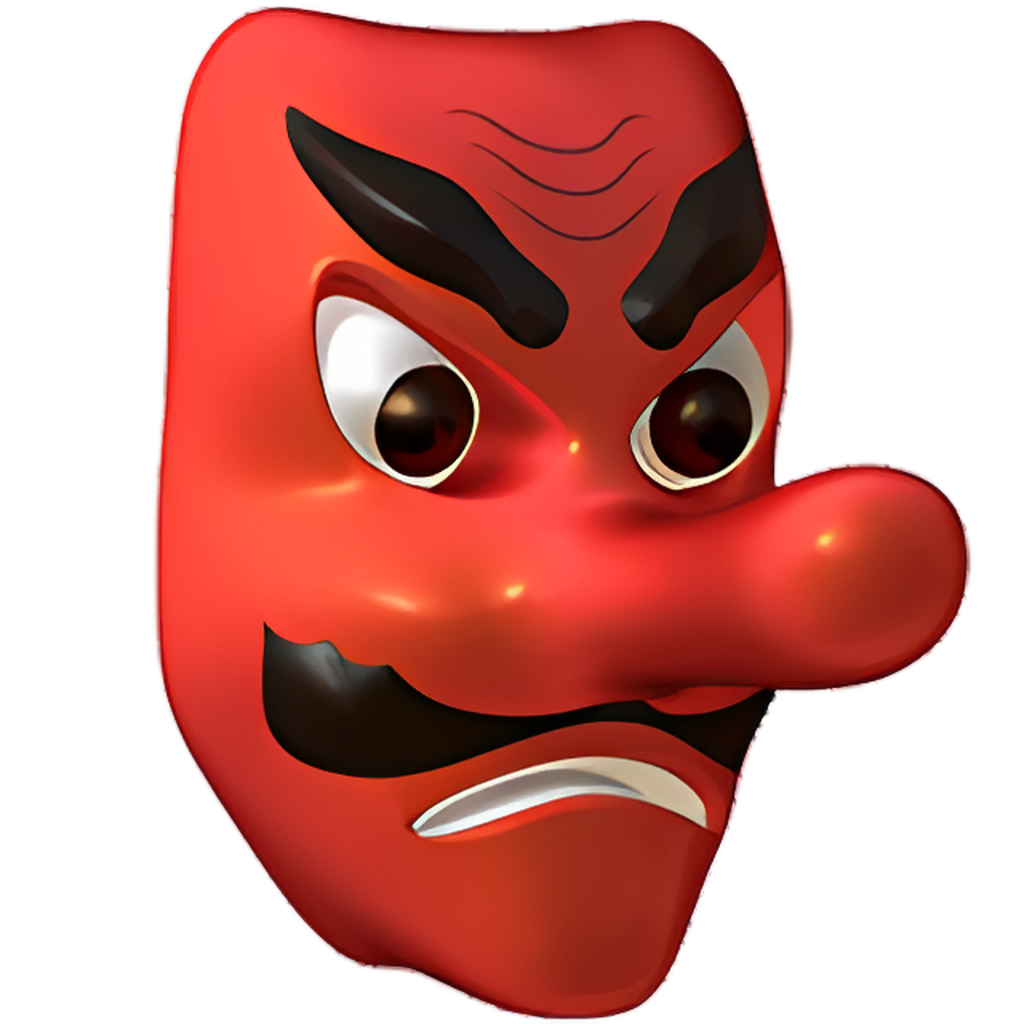
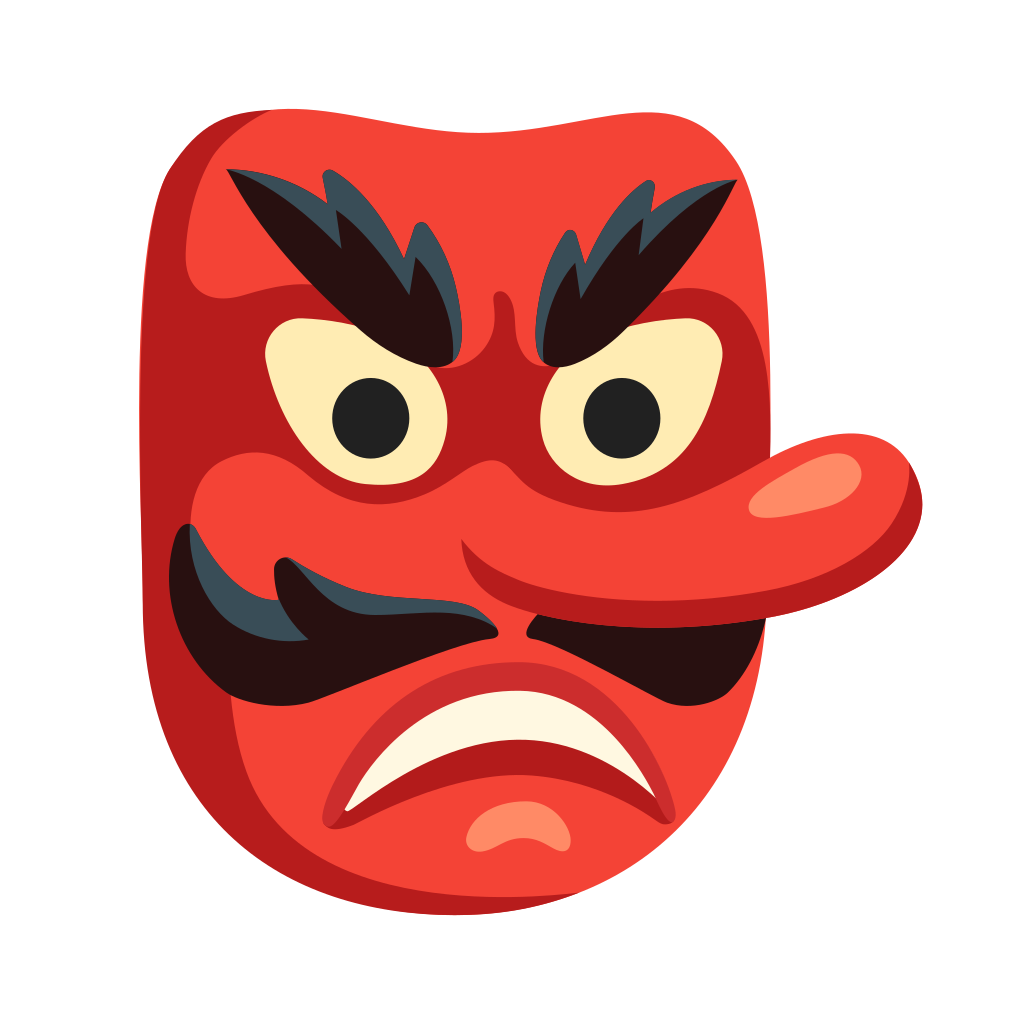
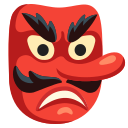
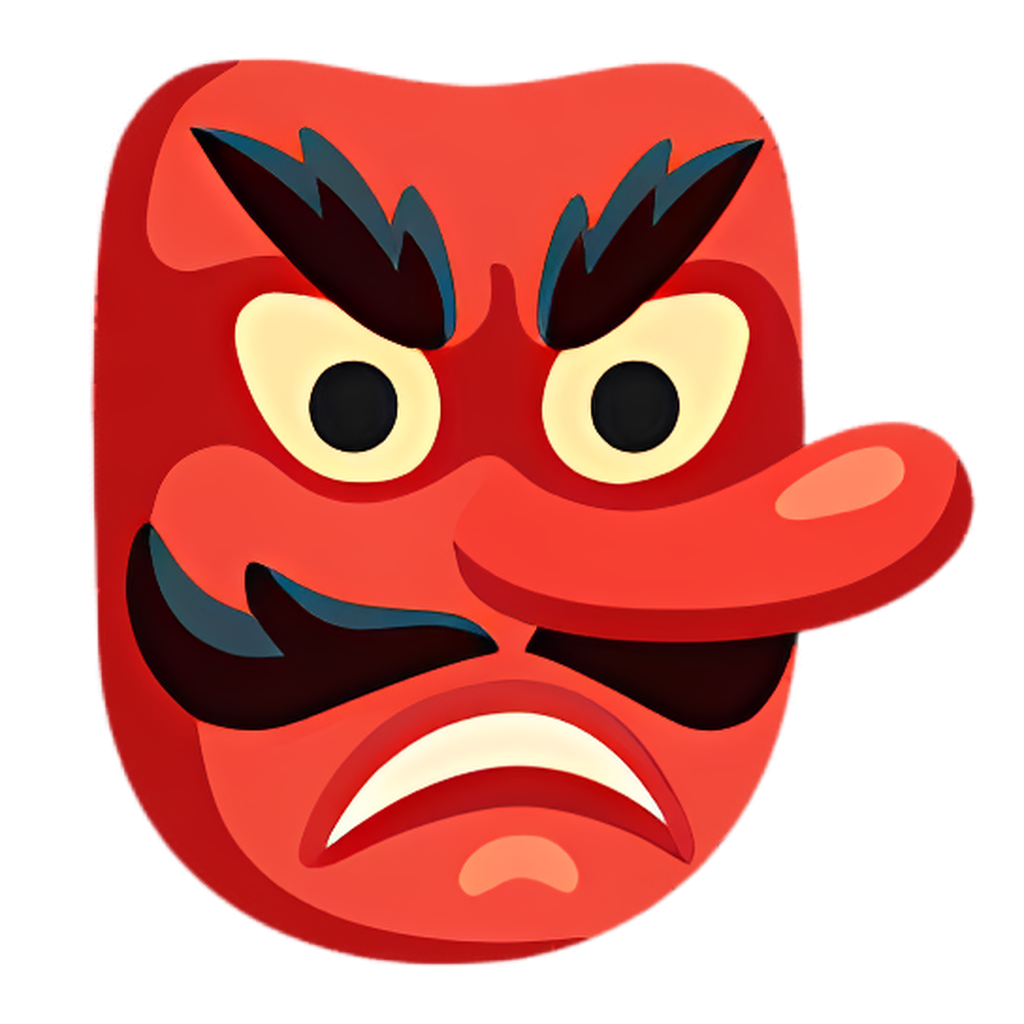
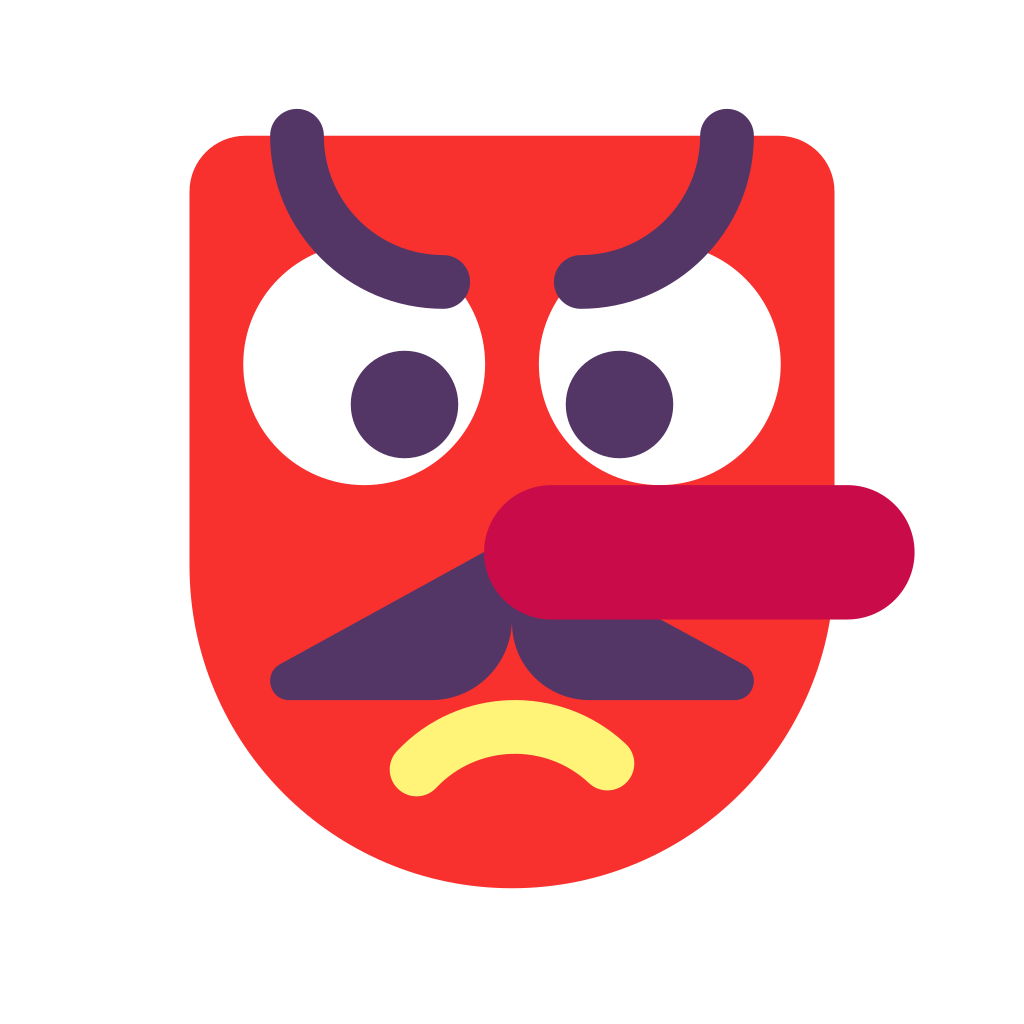
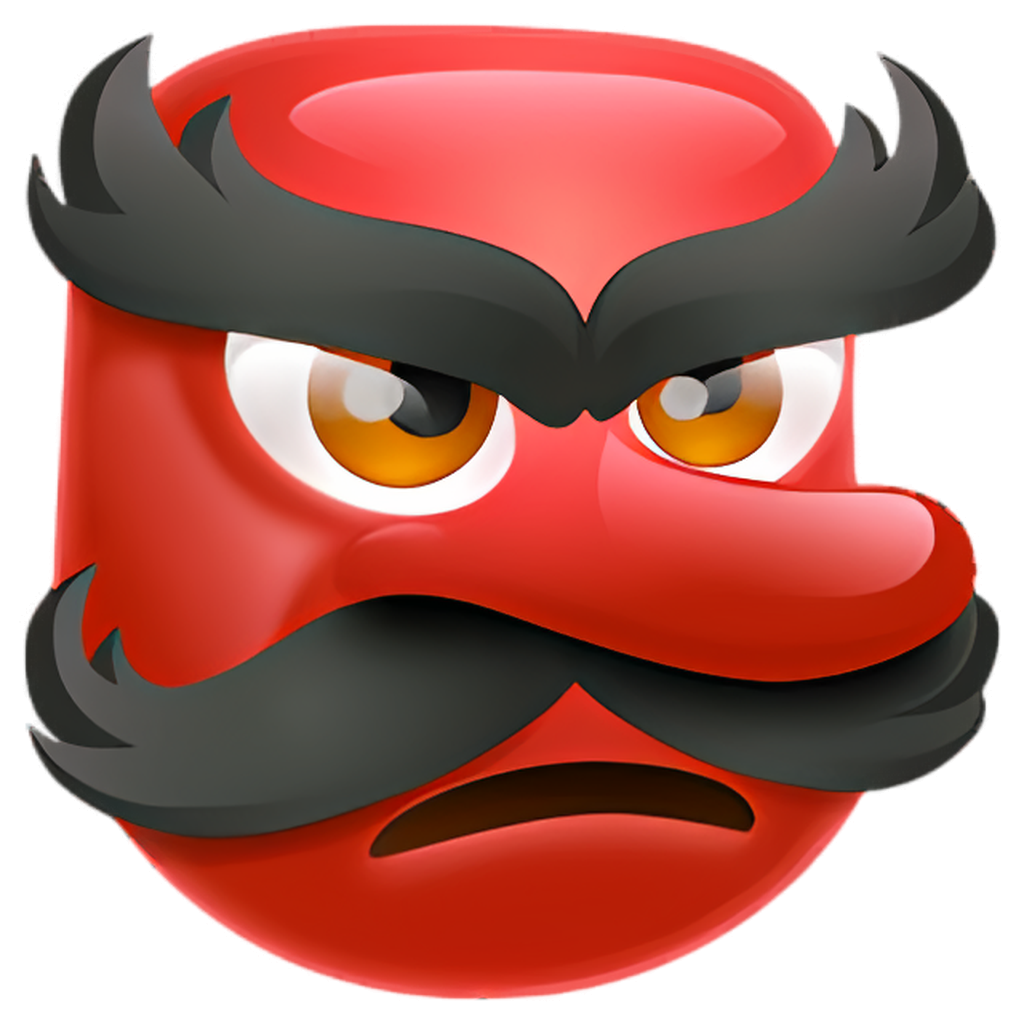
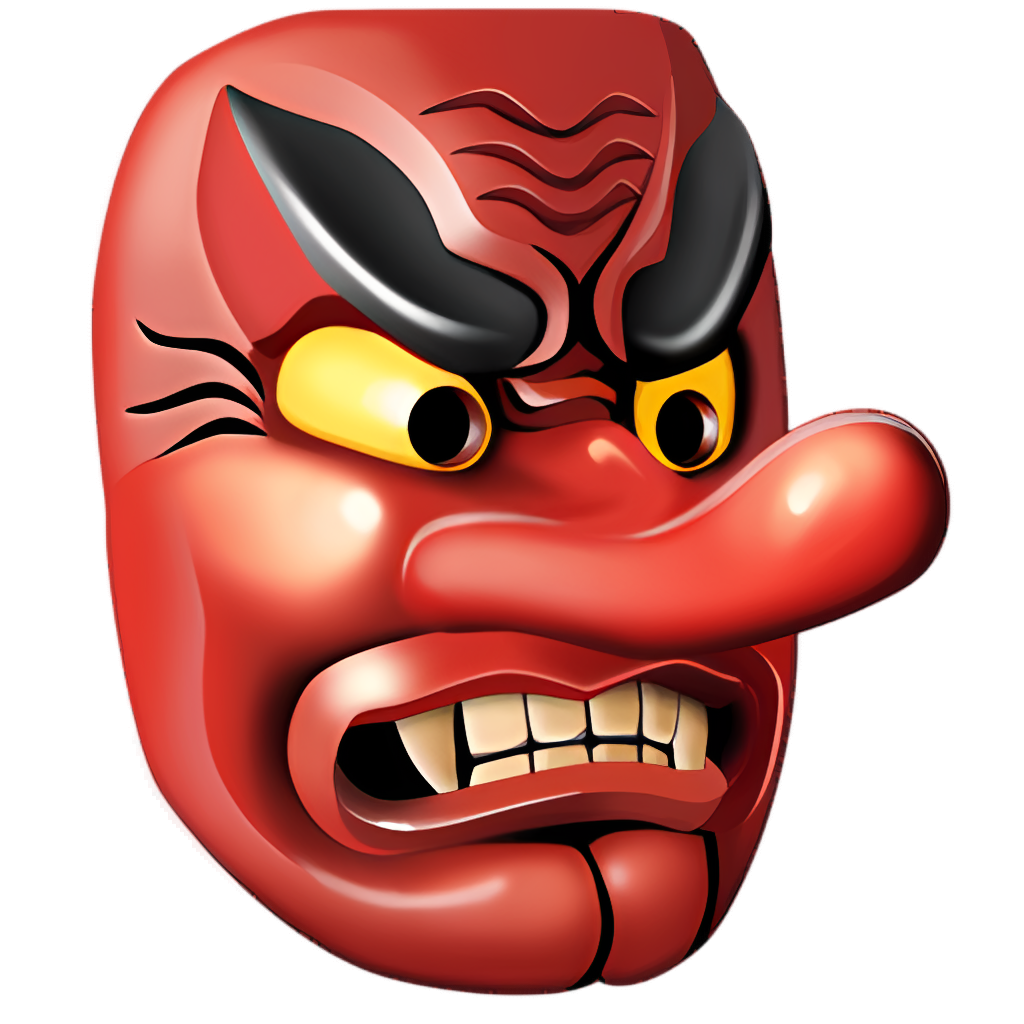
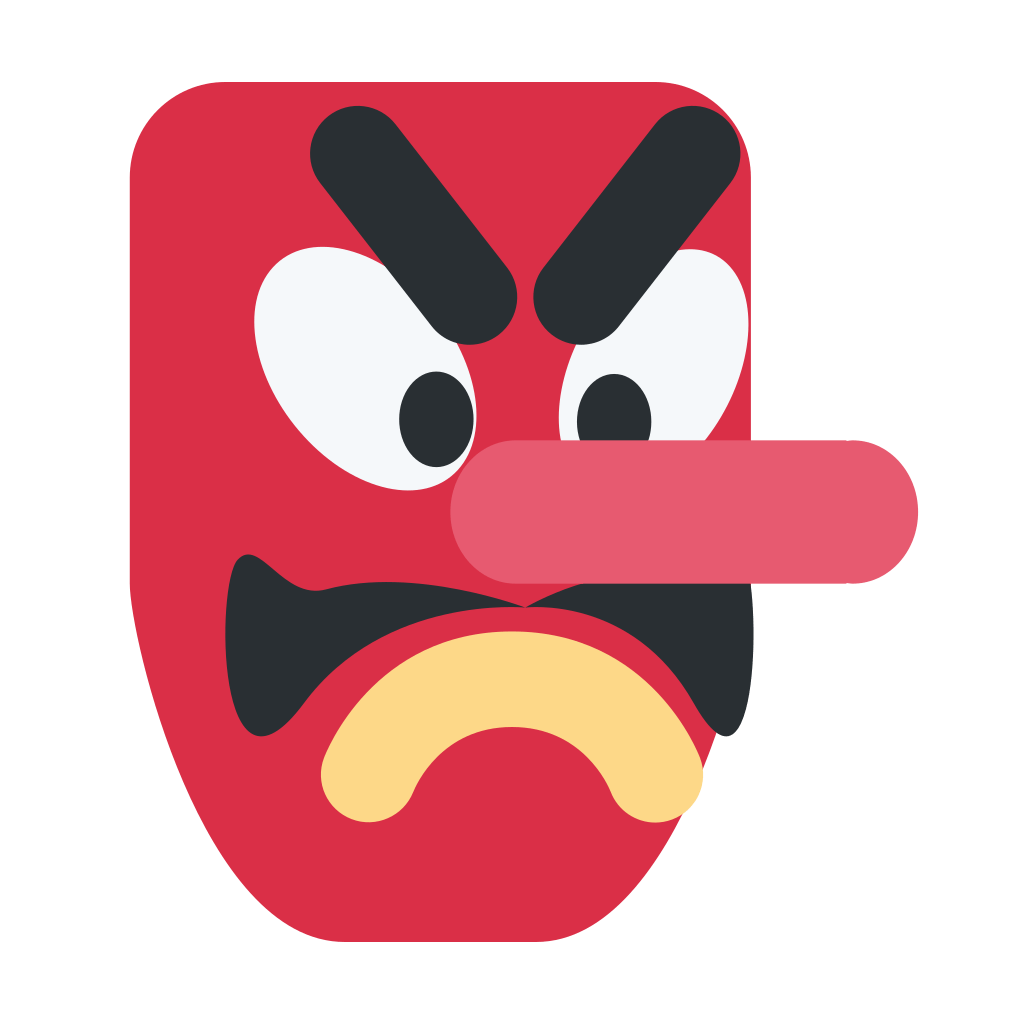
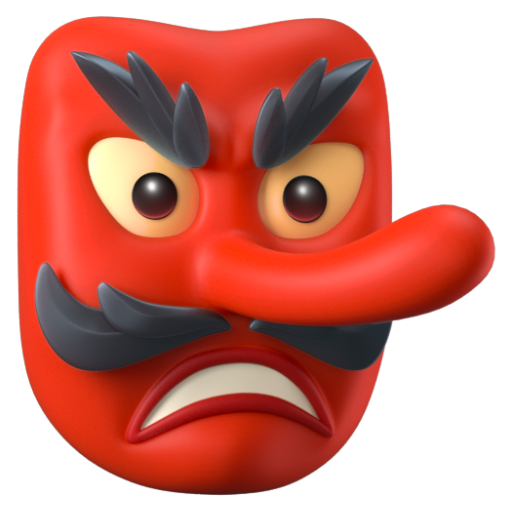
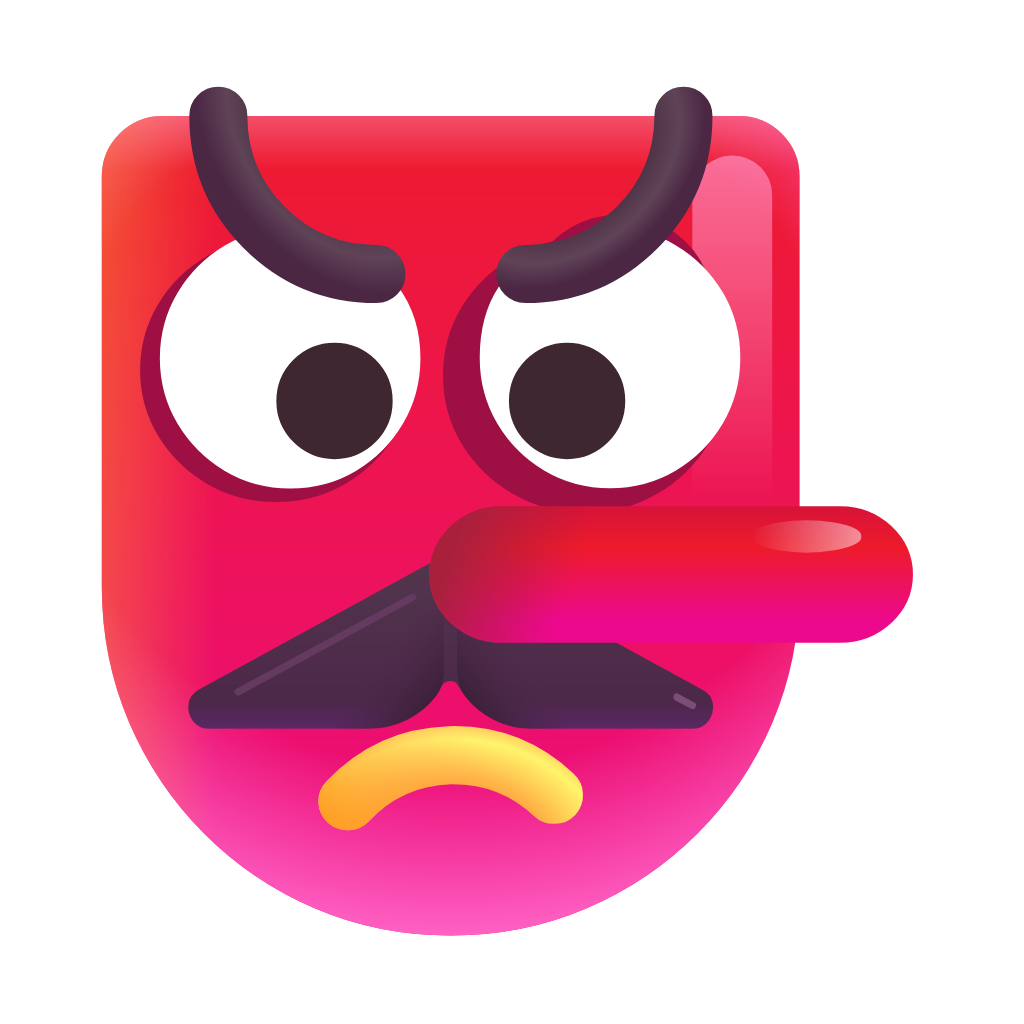
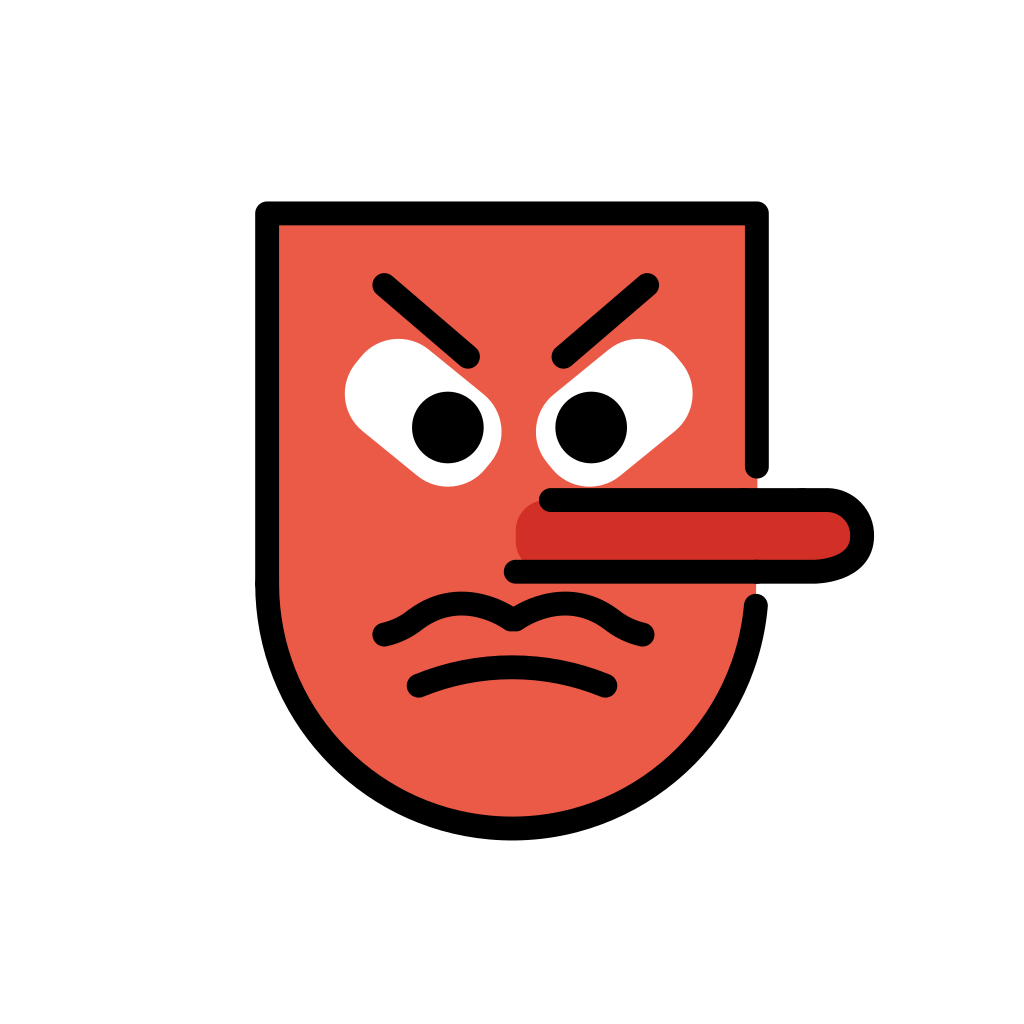
👺 This goblin mask represents a tengu from Japanese folklore. It can refer to supernatural characters or add a fierce, mischievous tone to anger and teasing.
Compare platform designs and explore its recorded visual history.
63 recorded appearances across 20 platform families
Platform comparison
Compare the Goblin emoji across platforms
10 platform designs
Compare 👺 in Apple, Google, Samsung and other styles. Download each available version as a transparent PNG directly from its card, or choose SVG where available. Copying the character uses the style of the receiving device.
Enhanced PNGs are reconstructed from smaller vendor artwork; the exact originals are shown above for comparison. Artwork credits & usage terms
The visual archive
Goblin emoji design history
63 recorded appearances across 20 platform families
Follow this emoji’s recorded designs, from the earliest artwork on the left to the latest documented version on the right. Download a particular original to keep its platform design.
Original dimensions and animation are preserved. Dates labelled “Date unverified” have not been independently verified; limited-precision records show only the known month or year. Date checks identify the named release, not the first appearance of every drawing. Releases that reuse a drawing are not necessarily separate design milestones. Unavailable originals are marked on their records. How this archive is documented →
The meaning
What does the 👺 Goblin emoji mean?
Representing a Tengu from Japanese folklore, this emoji features a bright red mask with a distinctively long nose, bushy eyebrows, and a fierce expression. It embodies a blend of pride, arrogance, and mischievous power, often used to signify a haughty attitude or a playful sense of supernatural menace in digital communication.
Common uses
Expressing arrogance or a 'know-it-all' attitude in a sarcastic manner.
Signaling mischief, playfulness, or 'goblin mode' during eccentric behavior.
Representing Japanese folklore, cultural festivals, or traditional theater themes.
Acting as a visual shorthand for someone being stubborn or prideful in an argument.
Background
The Goblin emoji was approved as part of Unicode 6.0 in 2010. It has historical mappings to KDDI carrier symbols. While often mistaken for a monster or villain in Western contexts, it specifically depicts the Hanataka Tengu.
Copy 👺 to use the Unicode character; the receiving device chooses its appearance. Download an available PNG or SVG to keep a particular drawing. Historical originals retain their native bytes and dimensions. Enhanced PNGs are separately labeled generated derivatives.