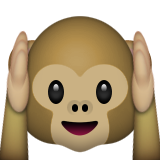
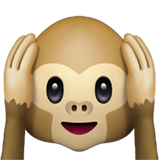
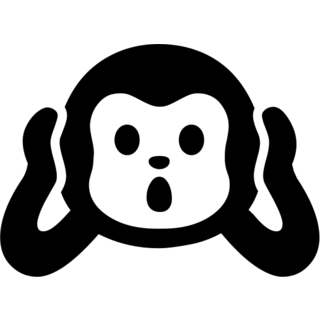
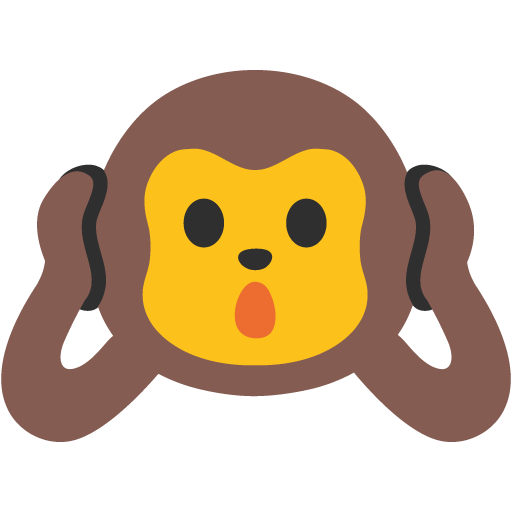
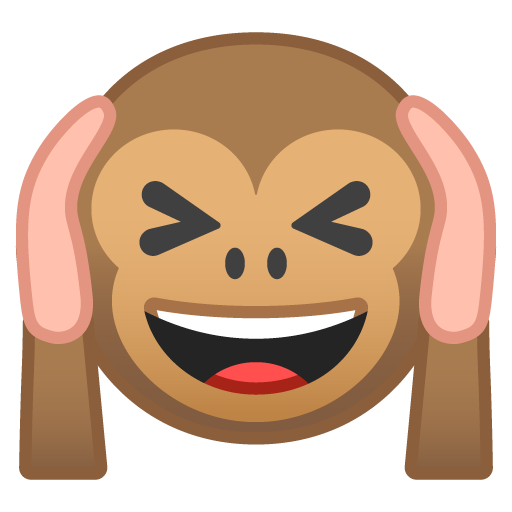
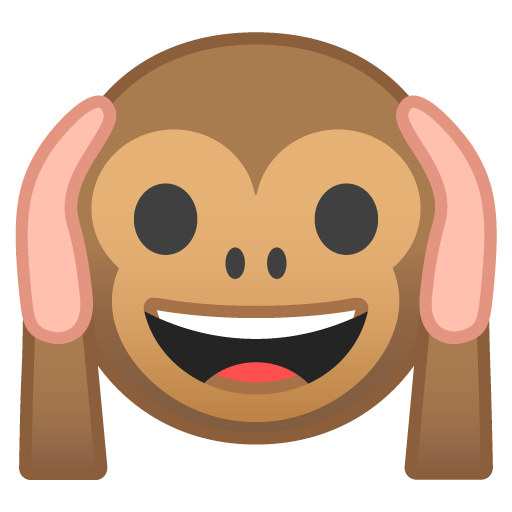
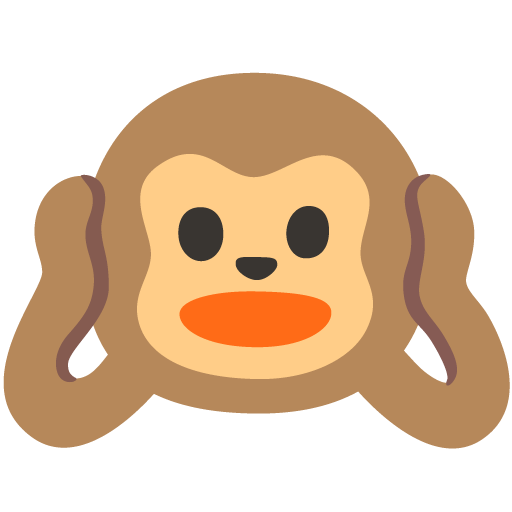
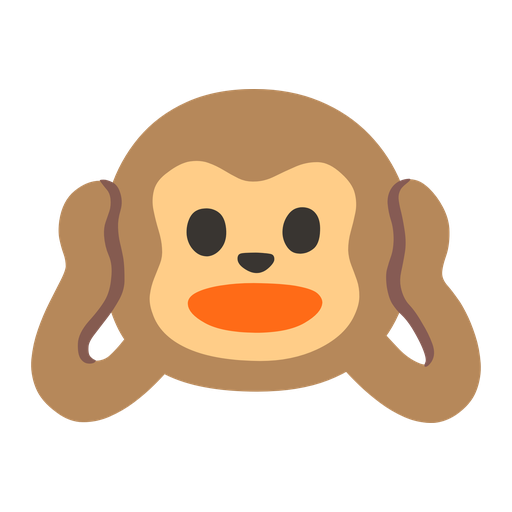
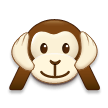
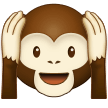
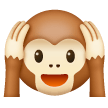
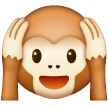
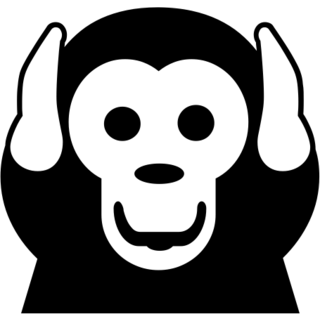
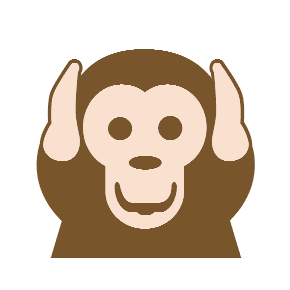
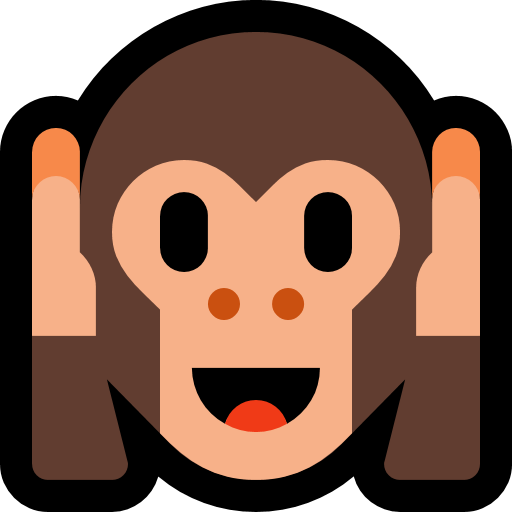
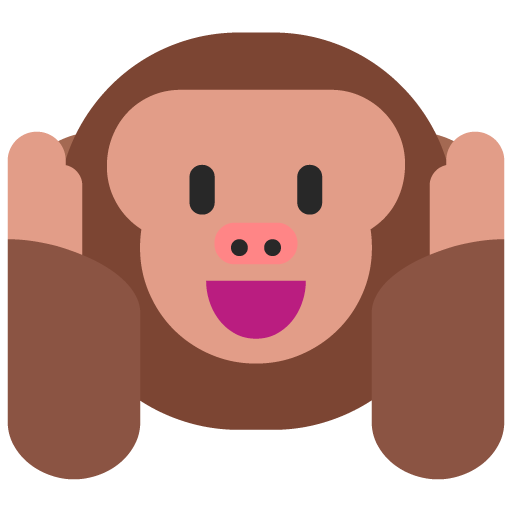
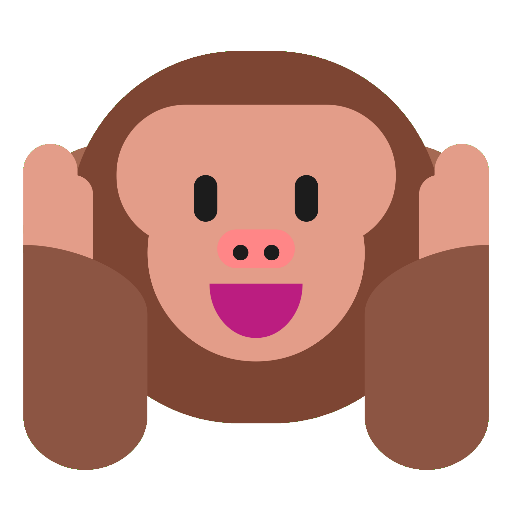
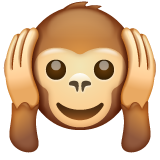
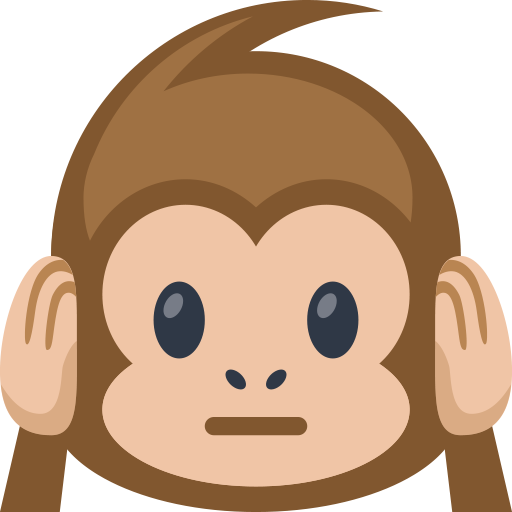
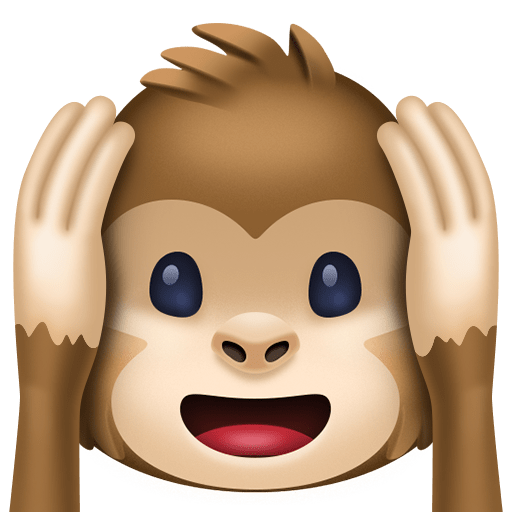
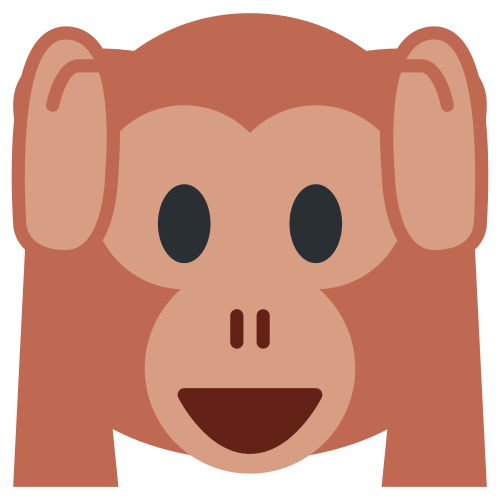
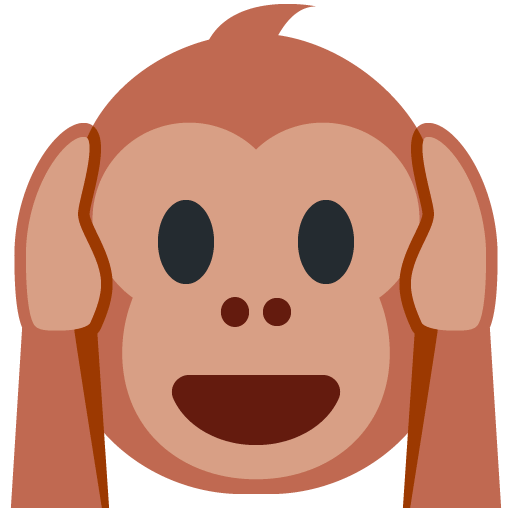
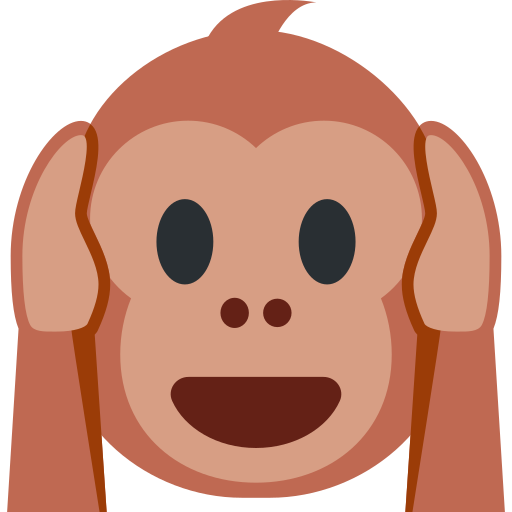
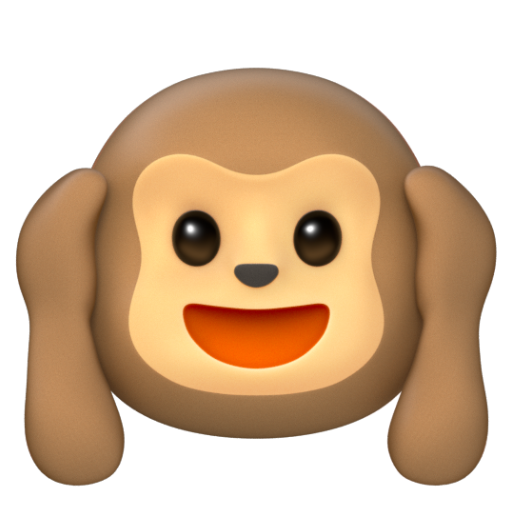
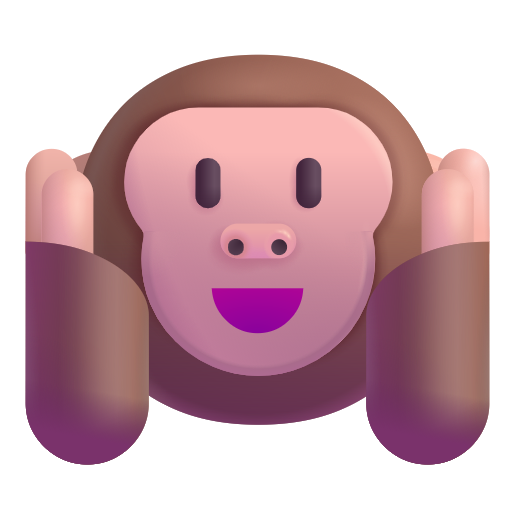
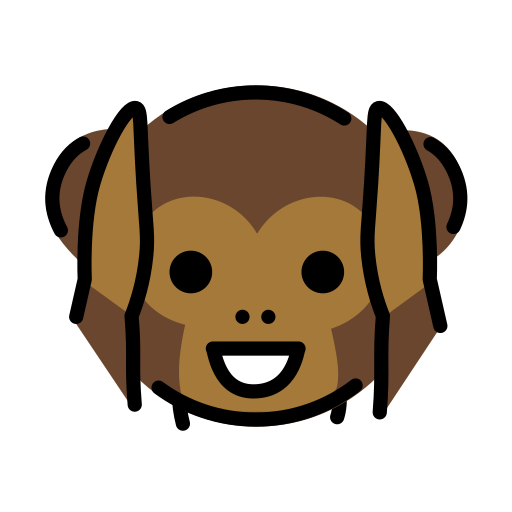
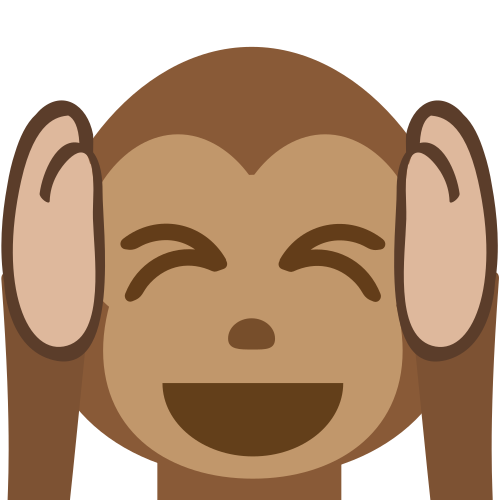
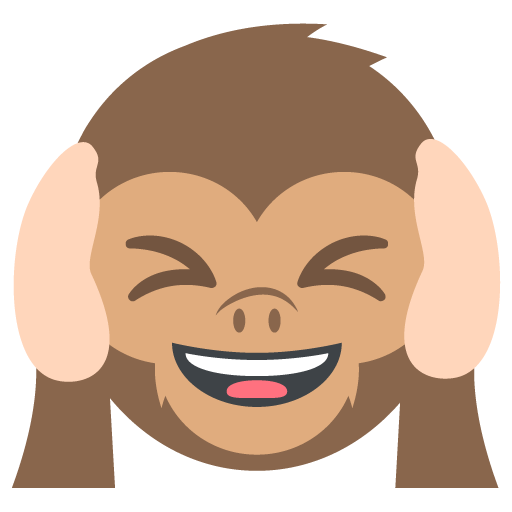
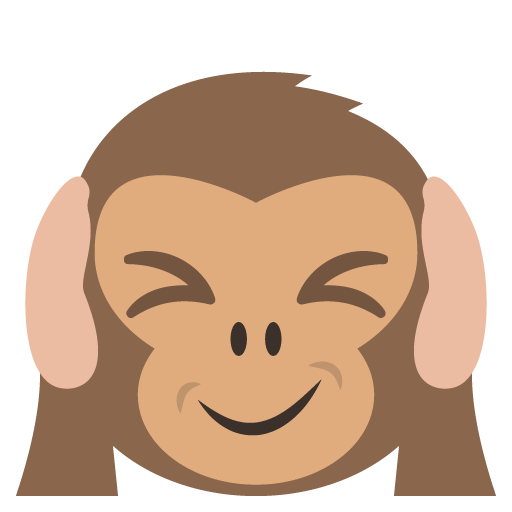
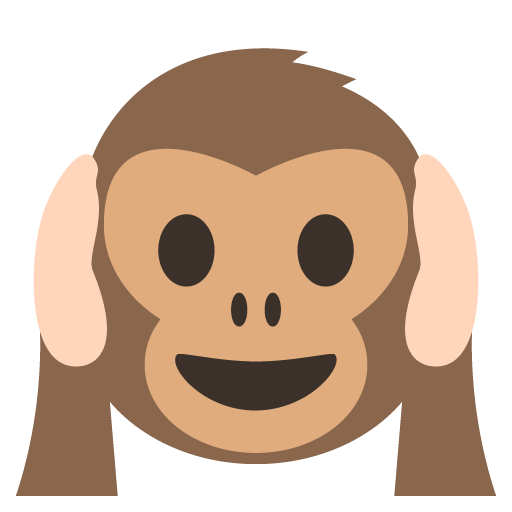
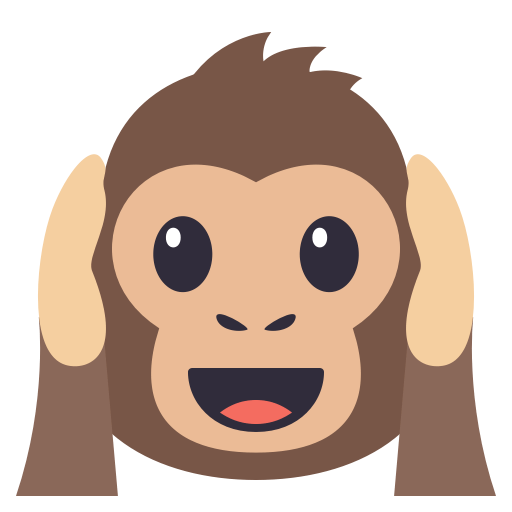
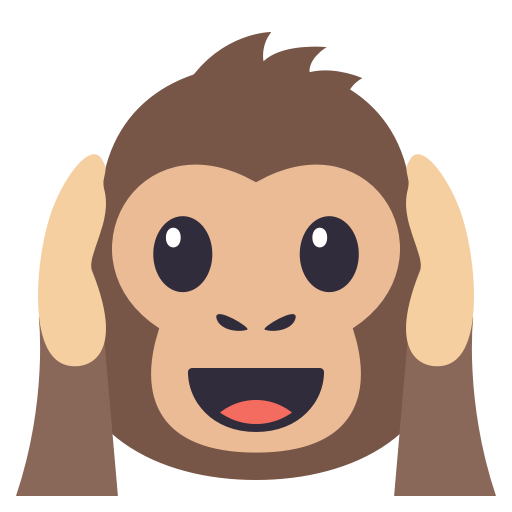
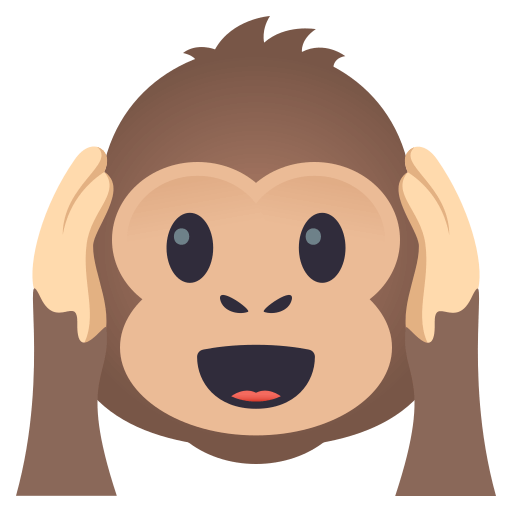
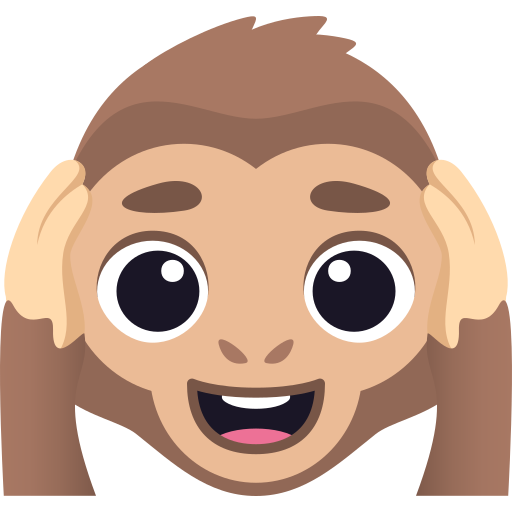
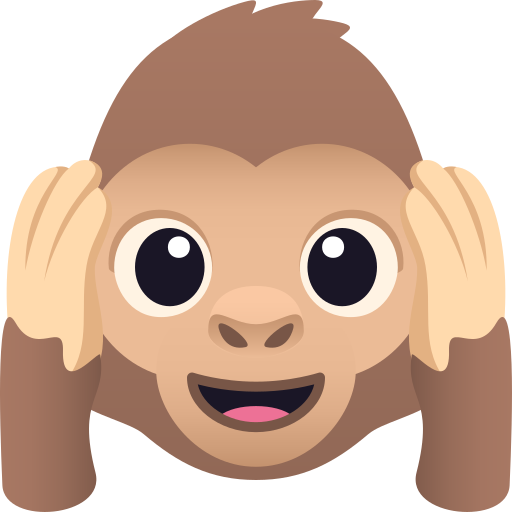
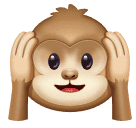
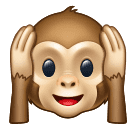
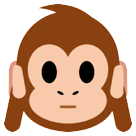
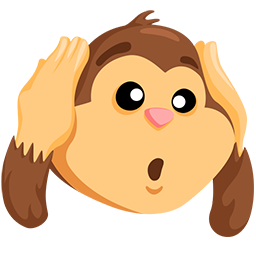
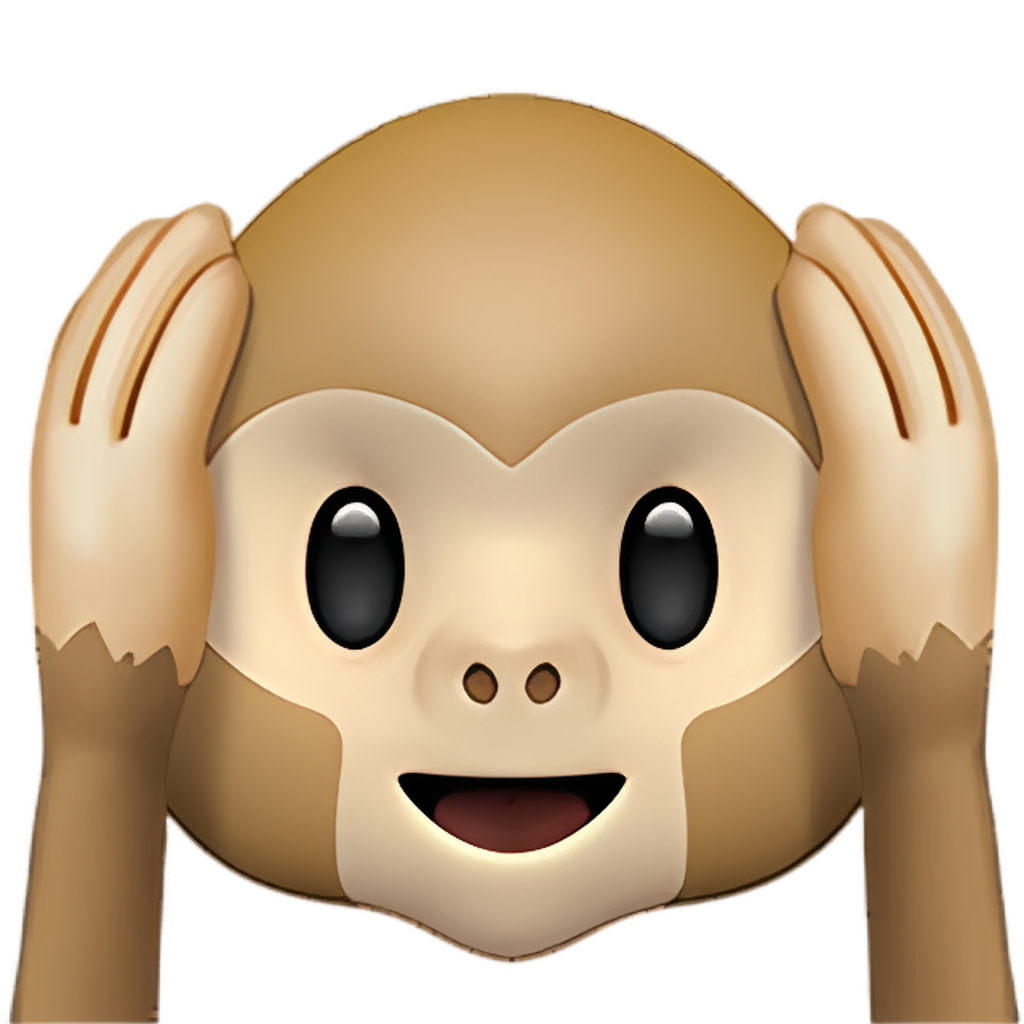
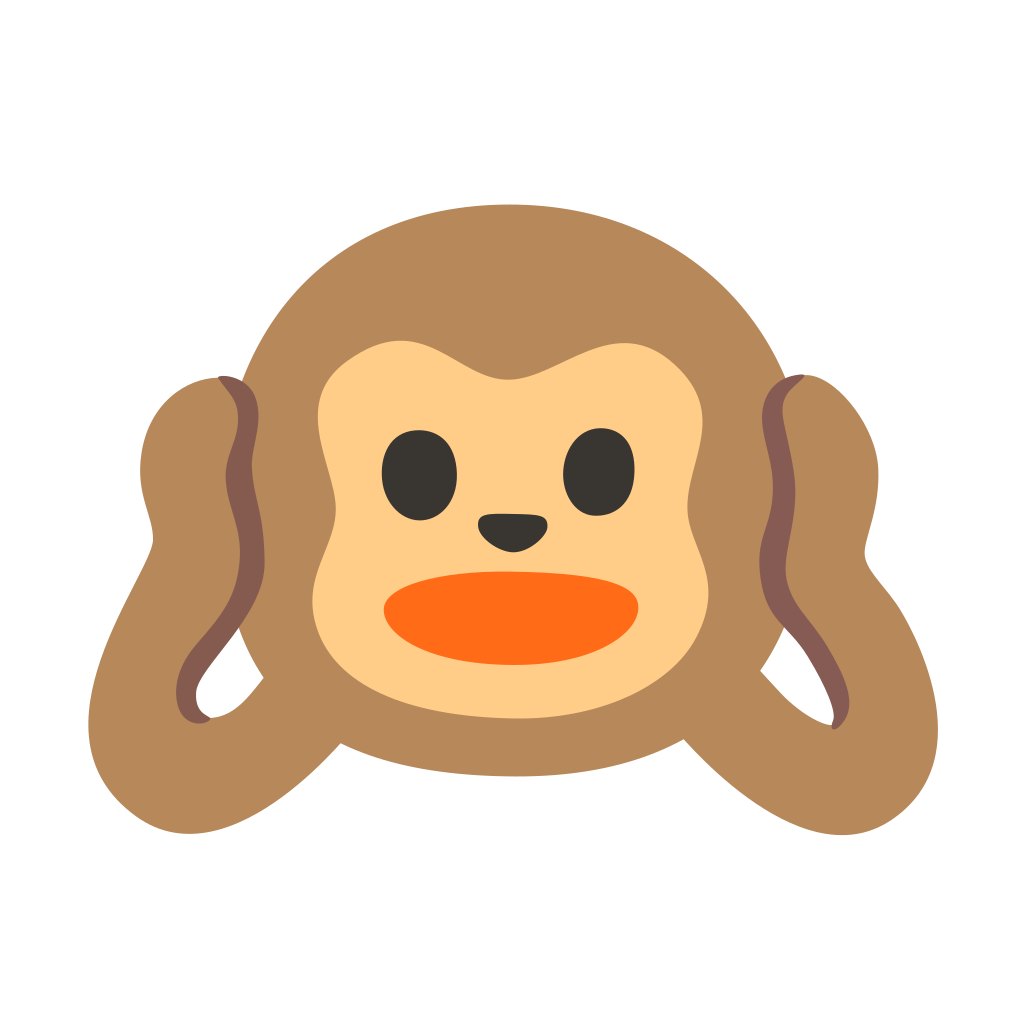
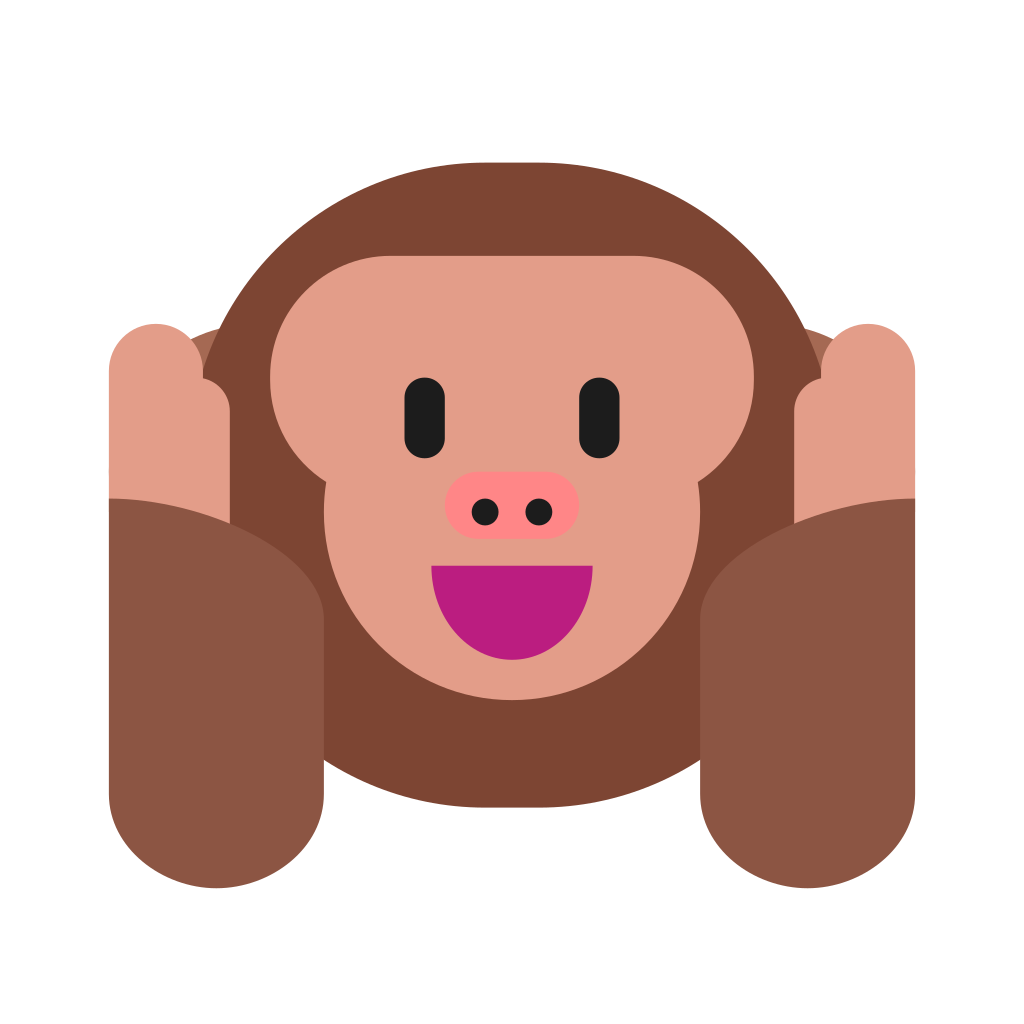
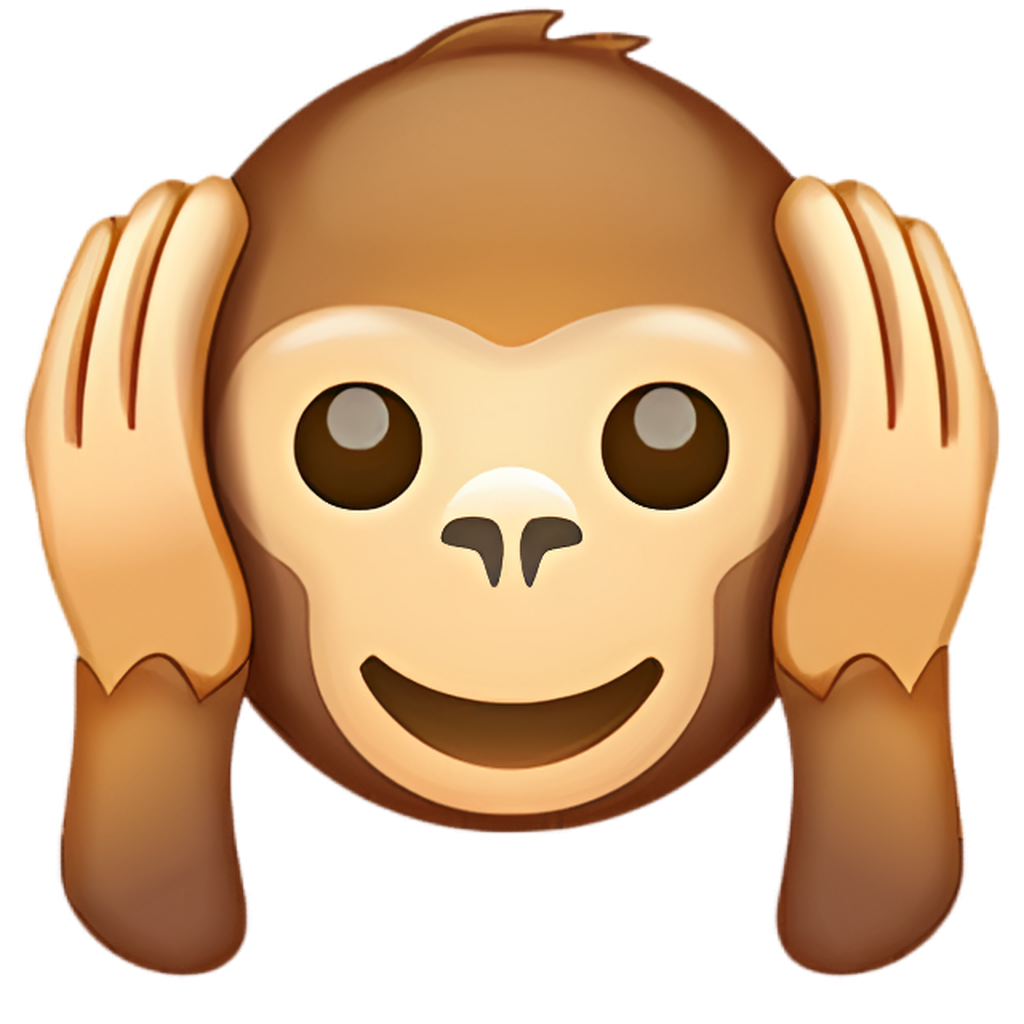
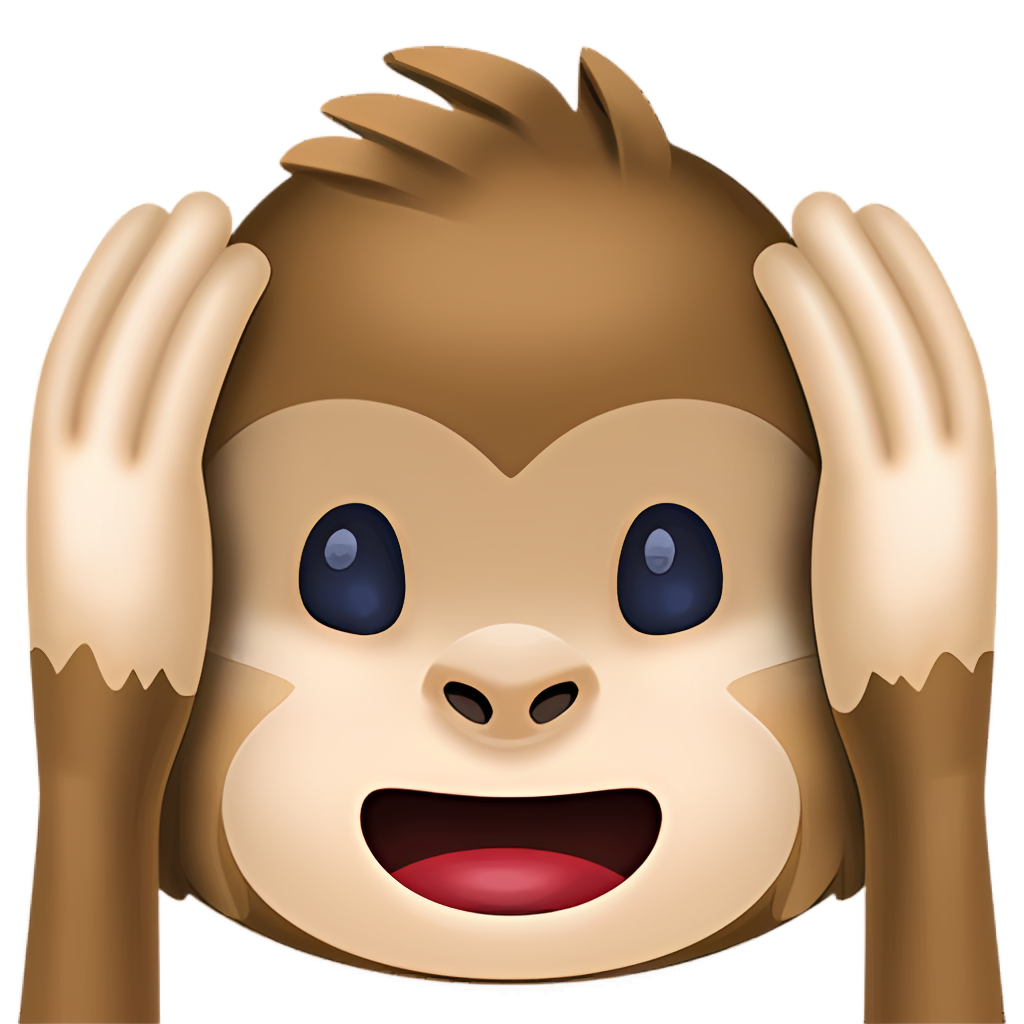
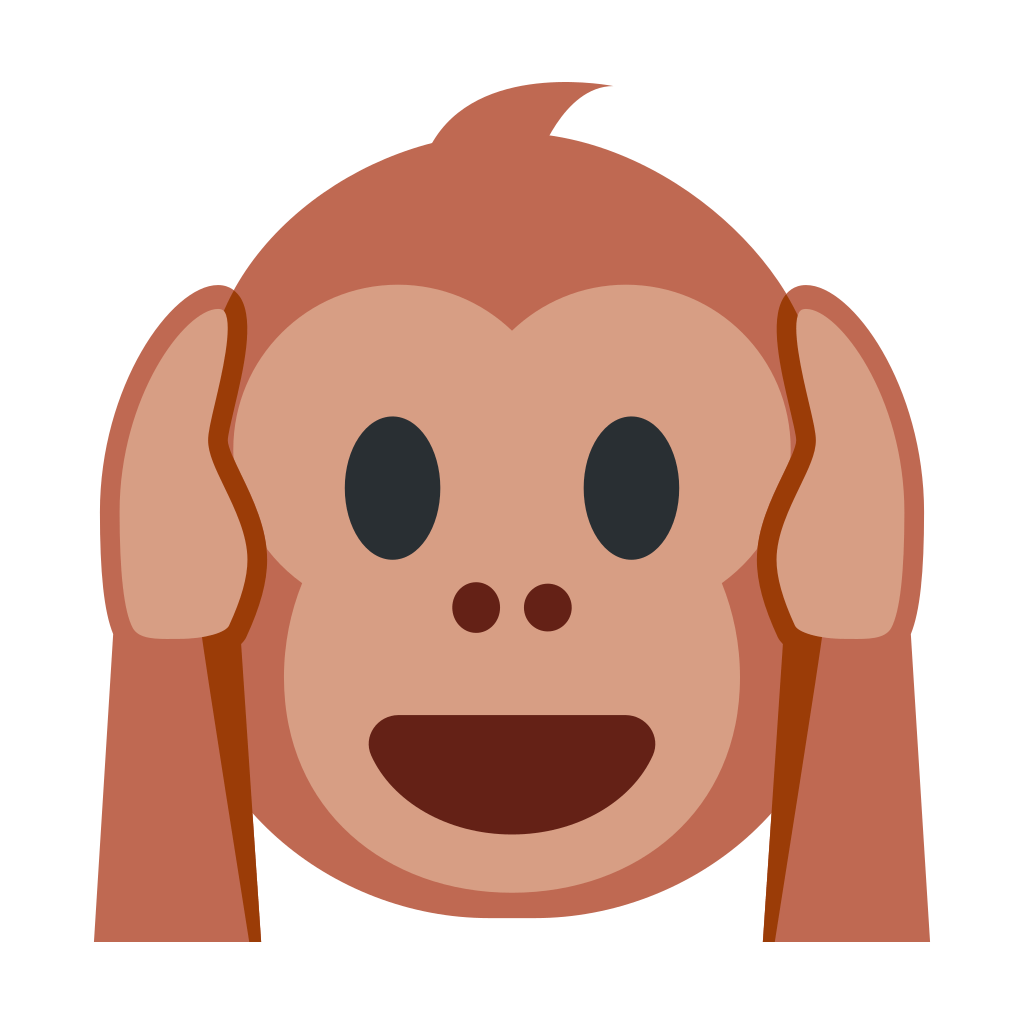
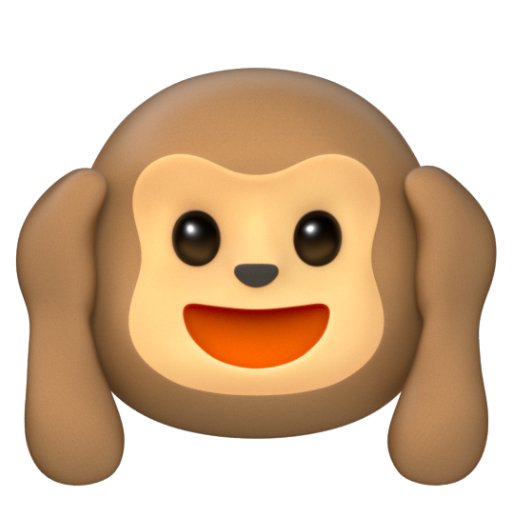
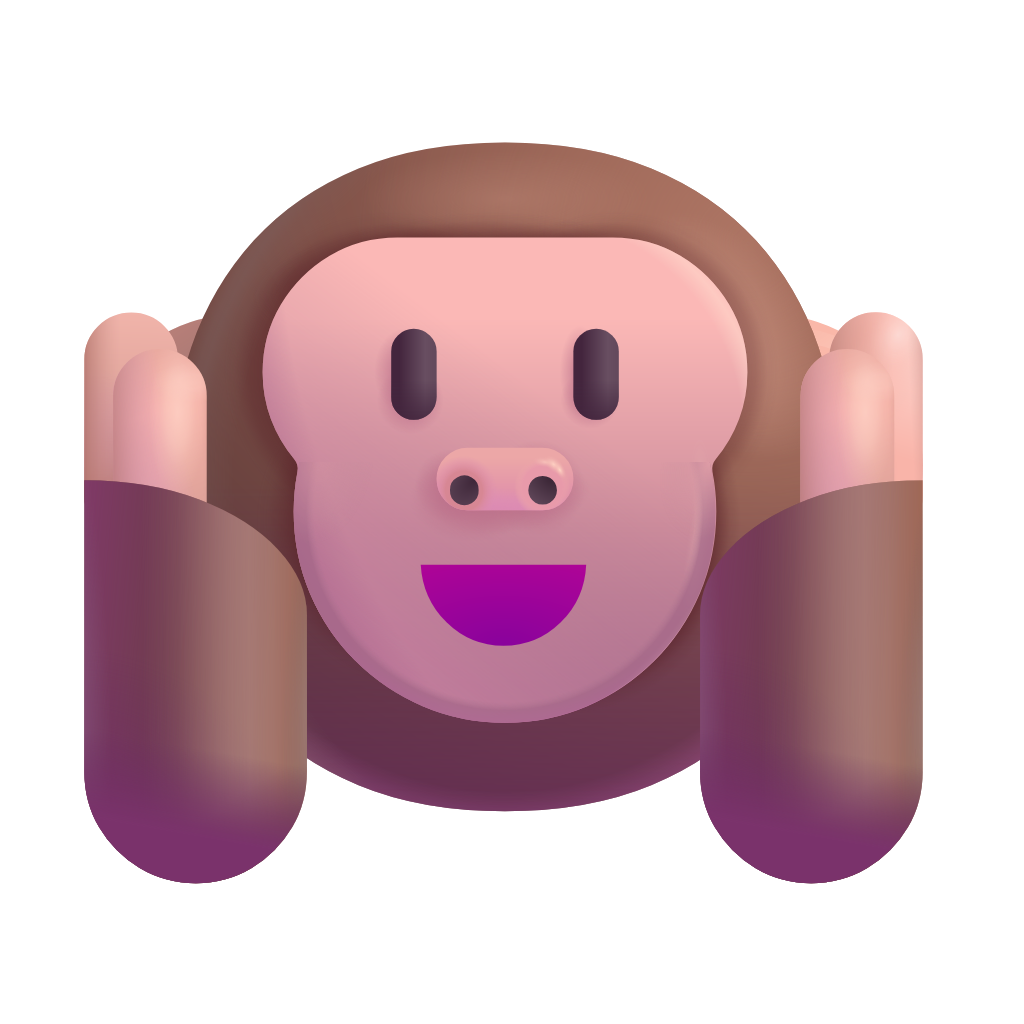
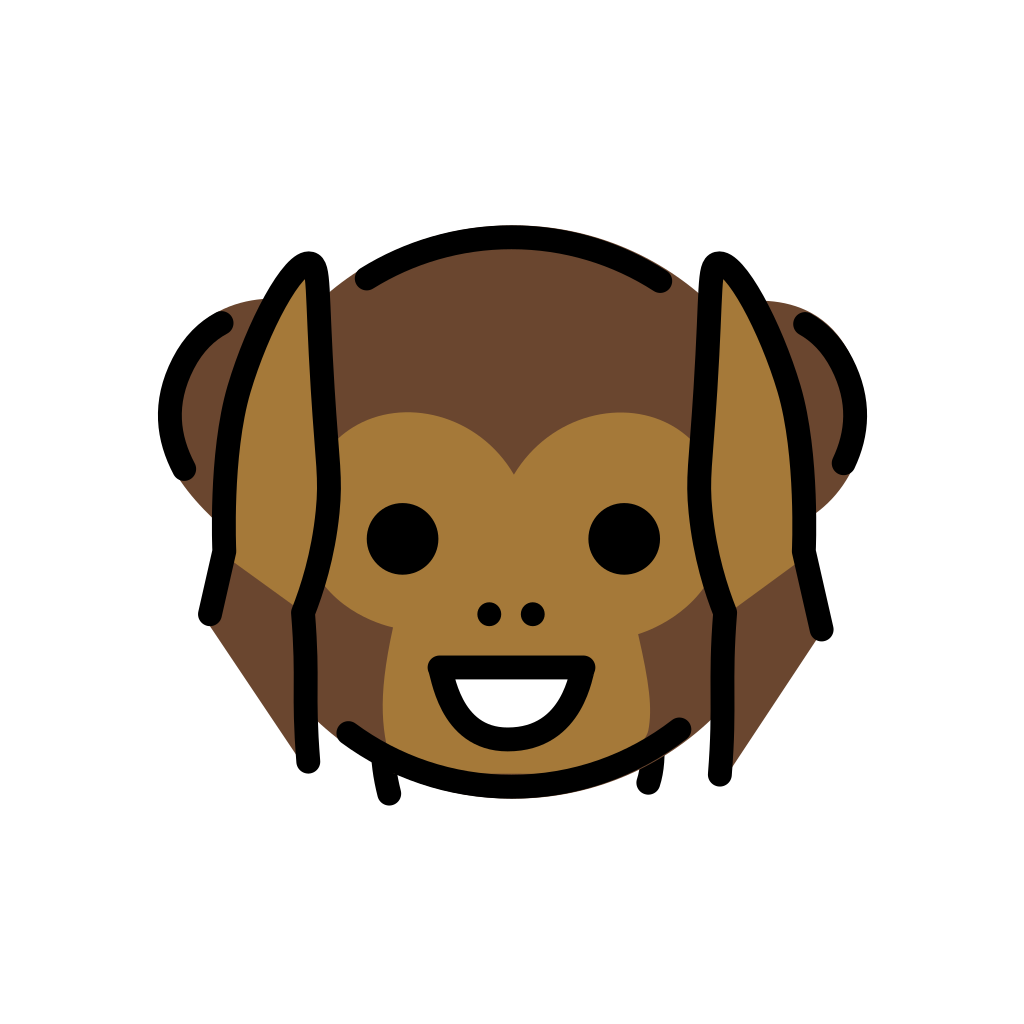
🙉 This monkey conveys not wanting to hear something, often playfully. Use it to avoid spoilers, react to surprising gossip, or jokingly block out an unwelcome remark.
Compare platform designs and explore its recorded visual history.
71 recorded appearances across 20 platform families
Platform comparison
Compare the Hear-No-Evil Monkey emoji across platforms
10 platform designs
Compare 🙉 in Apple, Google, Samsung and other styles. Download each available version as a transparent PNG directly from its card, or choose SVG where available. Copying the character uses the style of the receiving device.
Enhanced PNGs are reconstructed from smaller vendor artwork; the exact originals are shown above for comparison. Artwork credits & usage terms
The visual archive
Hear-No-Evil Monkey emoji design history
71 recorded appearances across 20 platform families
Follow this emoji’s recorded designs, from the earliest artwork on the left to the latest documented version on the right. Download a particular original to keep its platform design.
Original dimensions and animation are preserved. Dates labelled “Date unverified” have not been independently verified; limited-precision records show only the known month or year. Date checks identify the named release, not the first appearance of every drawing. Releases that reuse a drawing are not necessarily separate design milestones. Unavailable originals are marked on their records. How this archive is documented →
The meaning
What does the 🙉 Hear-No-Evil Monkey emoji mean?
The Hear-No-Evil Monkey, known as Kikazaru in Japanese tradition, is a playful character covering its ears with tan or pinkish paws. It signifies a desire to ignore unpleasant truths, maintain discretion, or express a whimsical 'I can't believe I just heard that' sentiment in digital conversations.
Common uses
Expressing playful shock or disbelief after hearing a scandalous secret or piece of gossip.
Signaling a refusal to listen to spoilers regarding a popular movie or television series.
Indicating a 'lalala, I’m not listening' attitude during a humorous or sarcastic disagreement.
Conveying embarrassment or sensory overload in loud or chaotic digital environments.
Background
It was formally added to Unicode 6.0 in 2010. It has historical mappings to KDDI carrier symbols.
Copy 🙉 to use the Unicode character; the receiving device chooses its appearance. Download an available PNG or SVG to keep a particular drawing. Historical originals retain their native bytes and dimensions. Enhanced PNGs are separately labeled generated derivatives.