65 recorded appearances across 19 platform families
Platform comparison
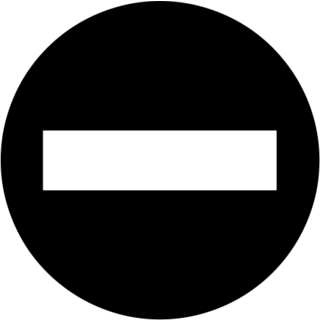
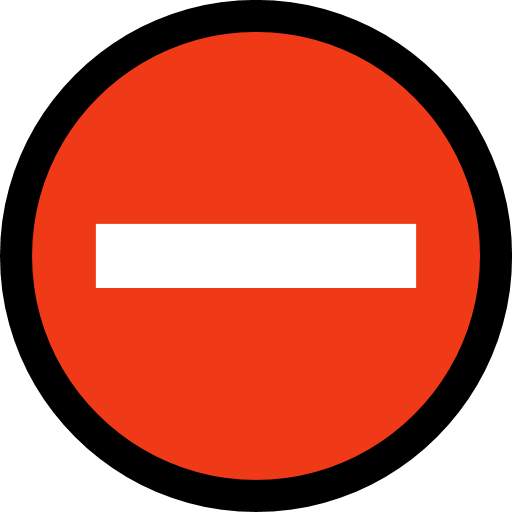
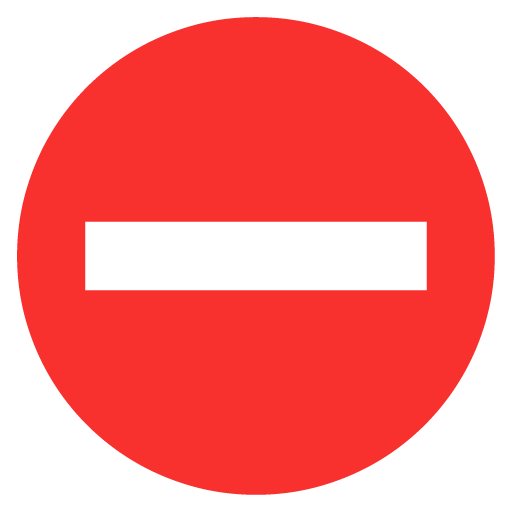
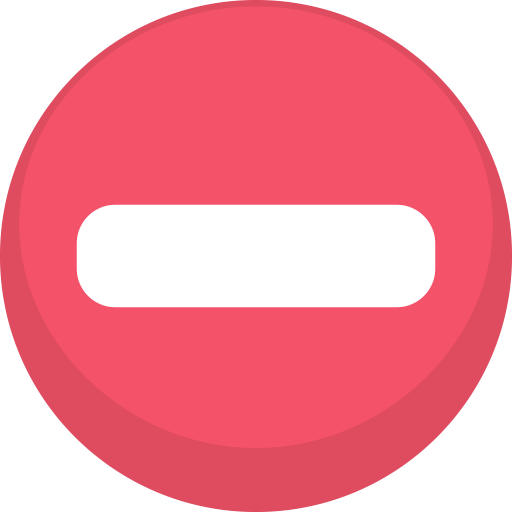
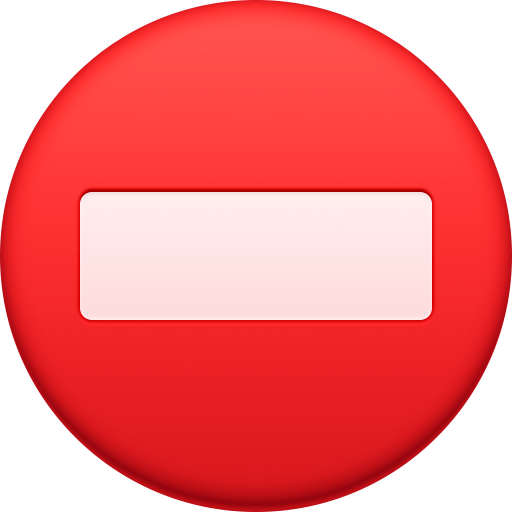
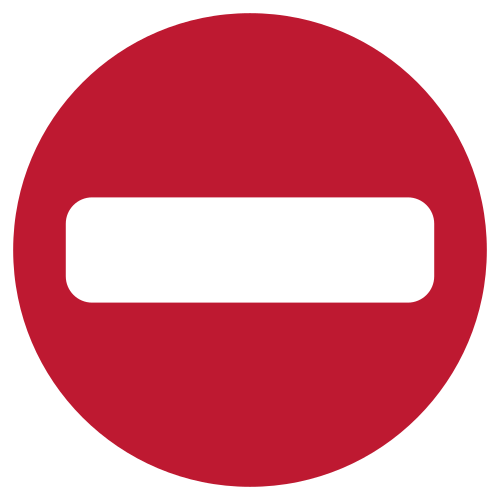
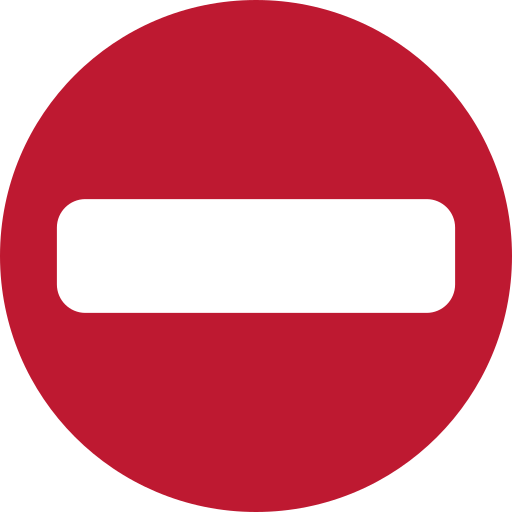
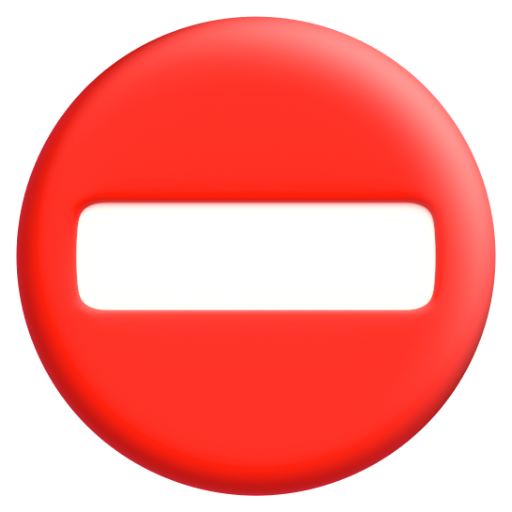
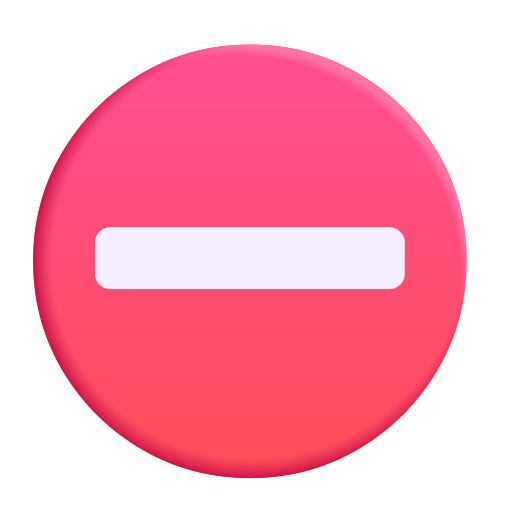
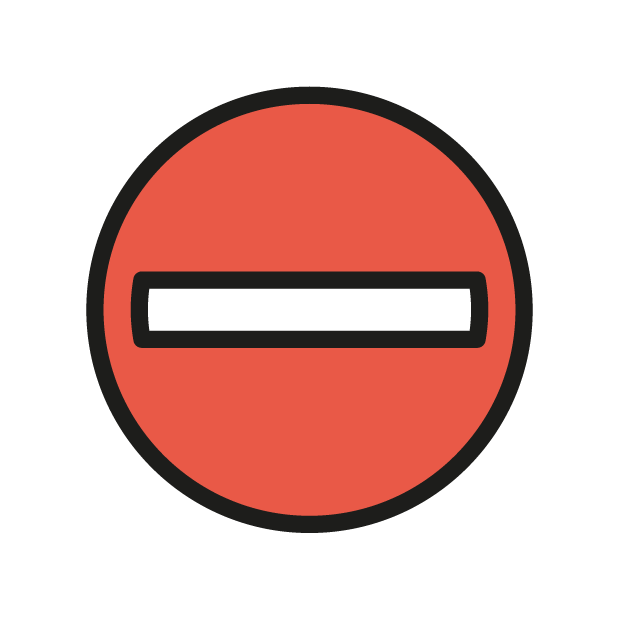
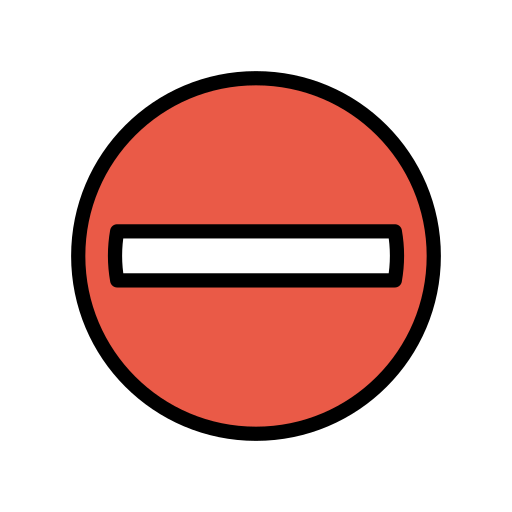
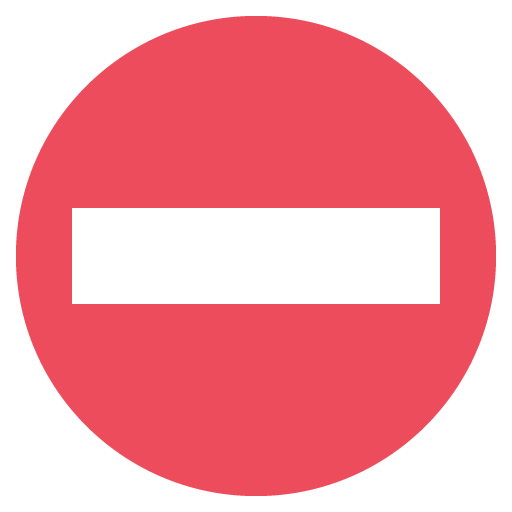
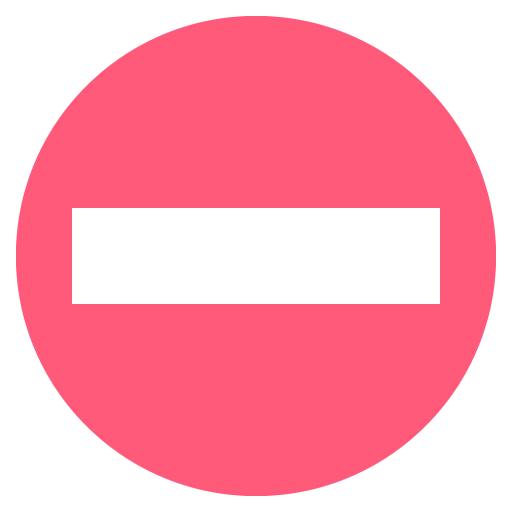
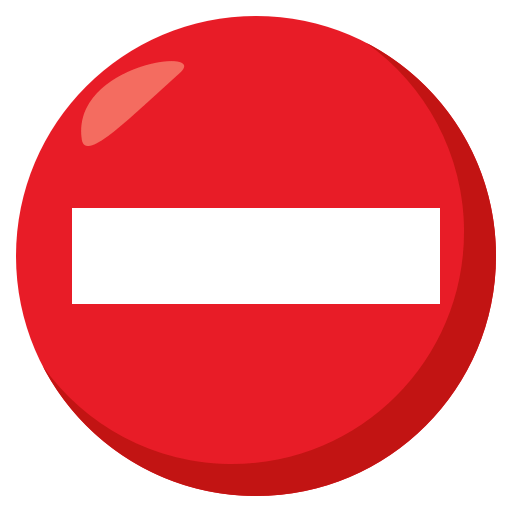
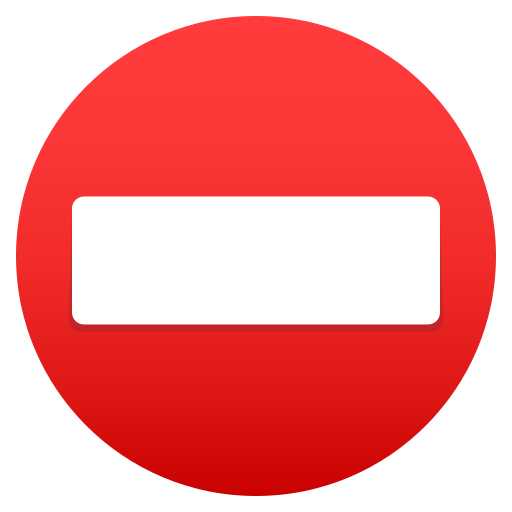
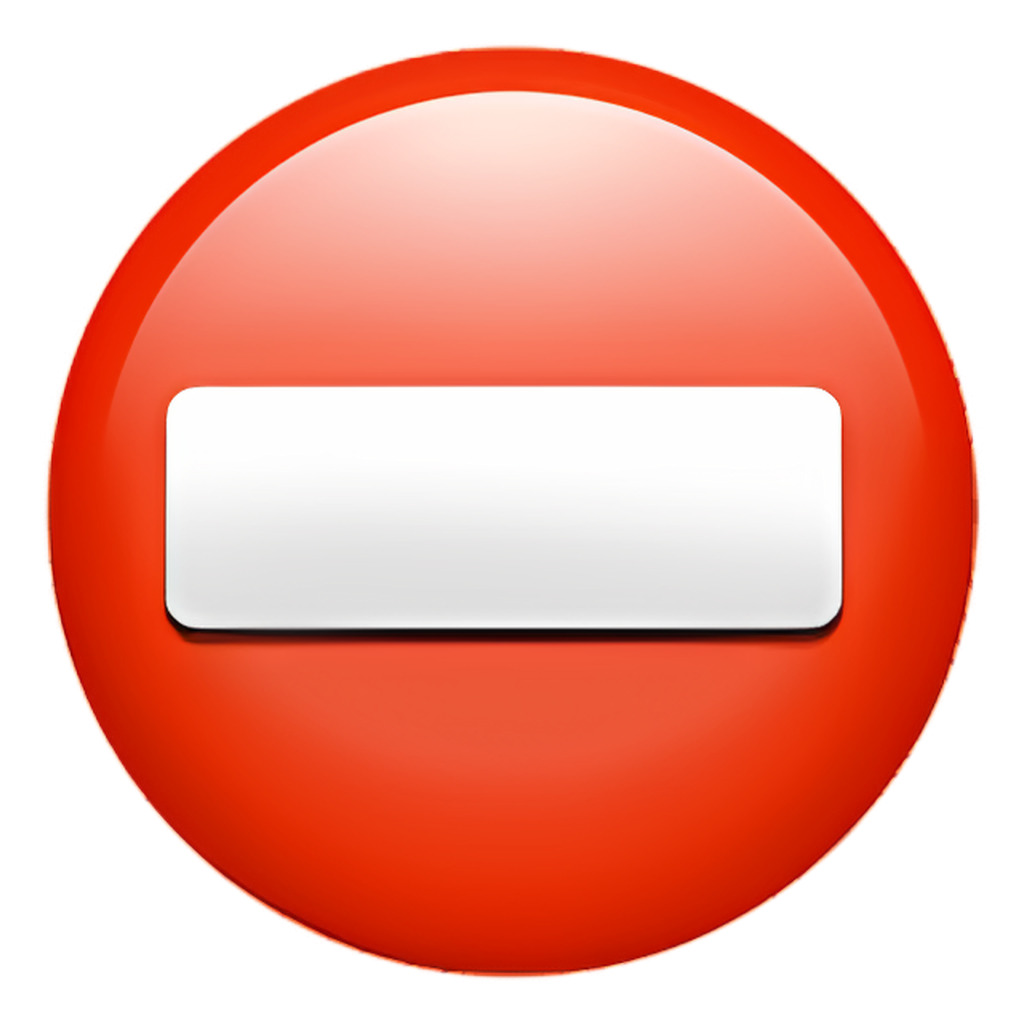
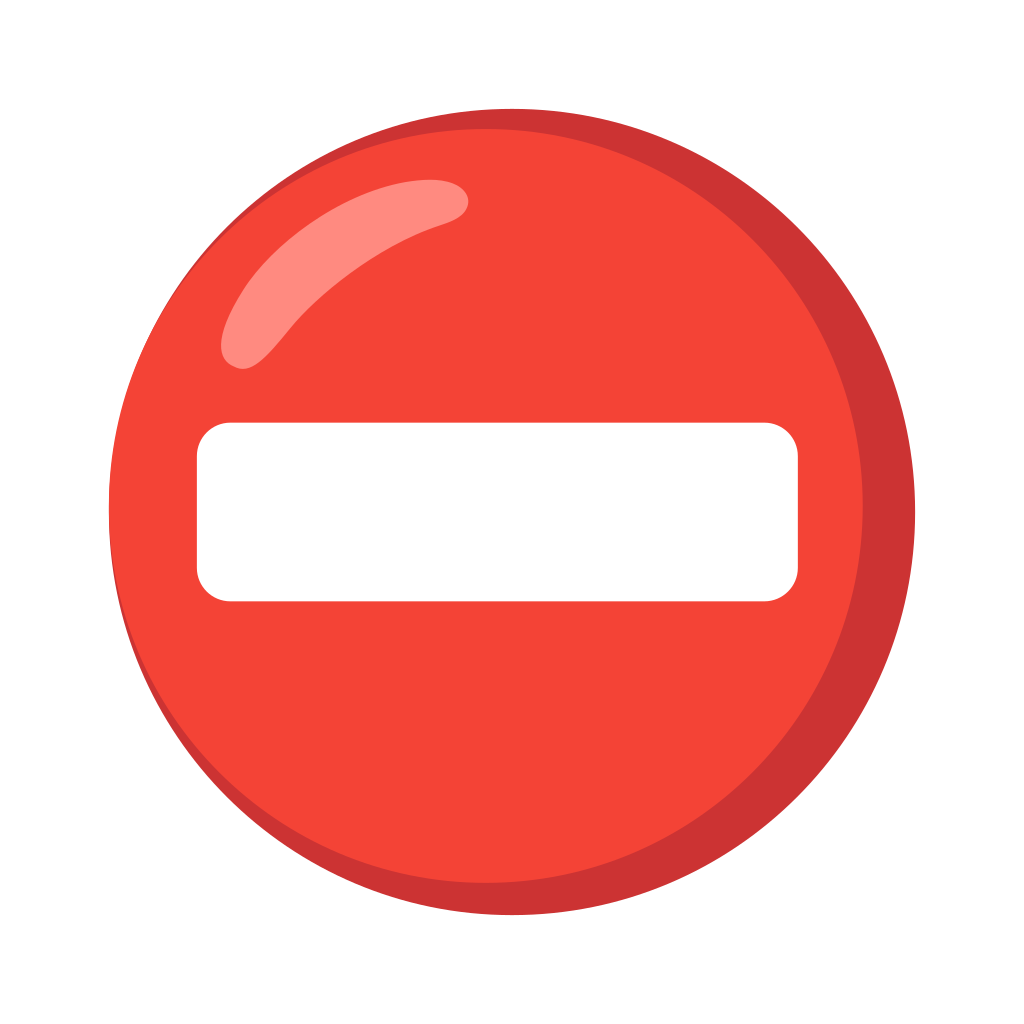
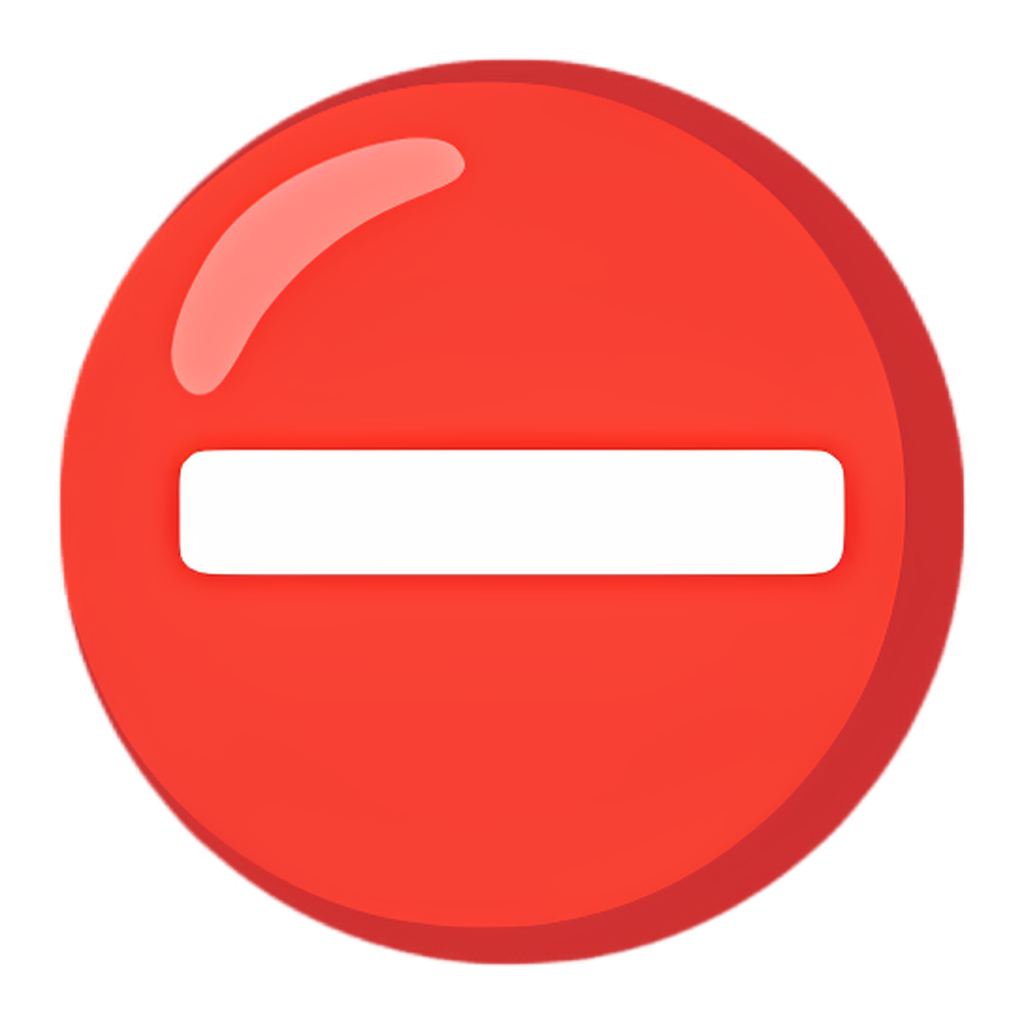
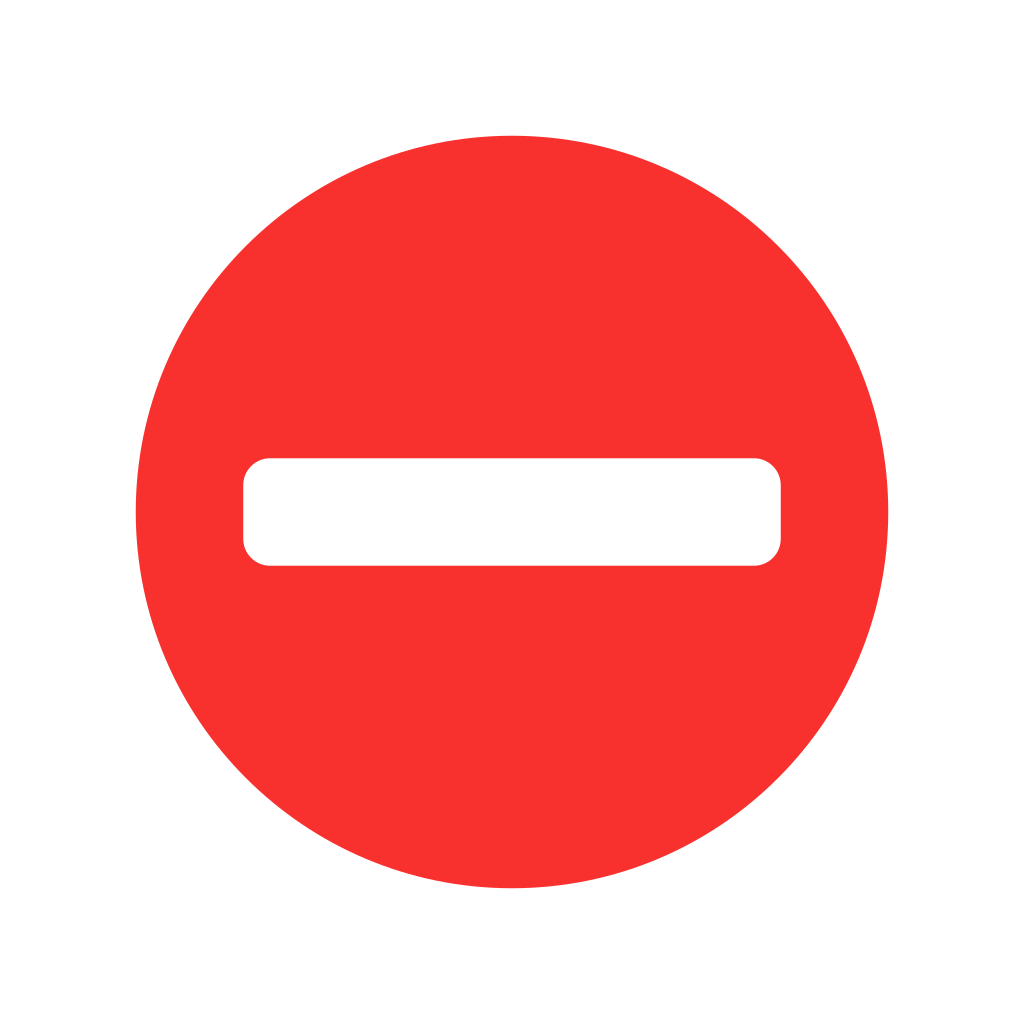
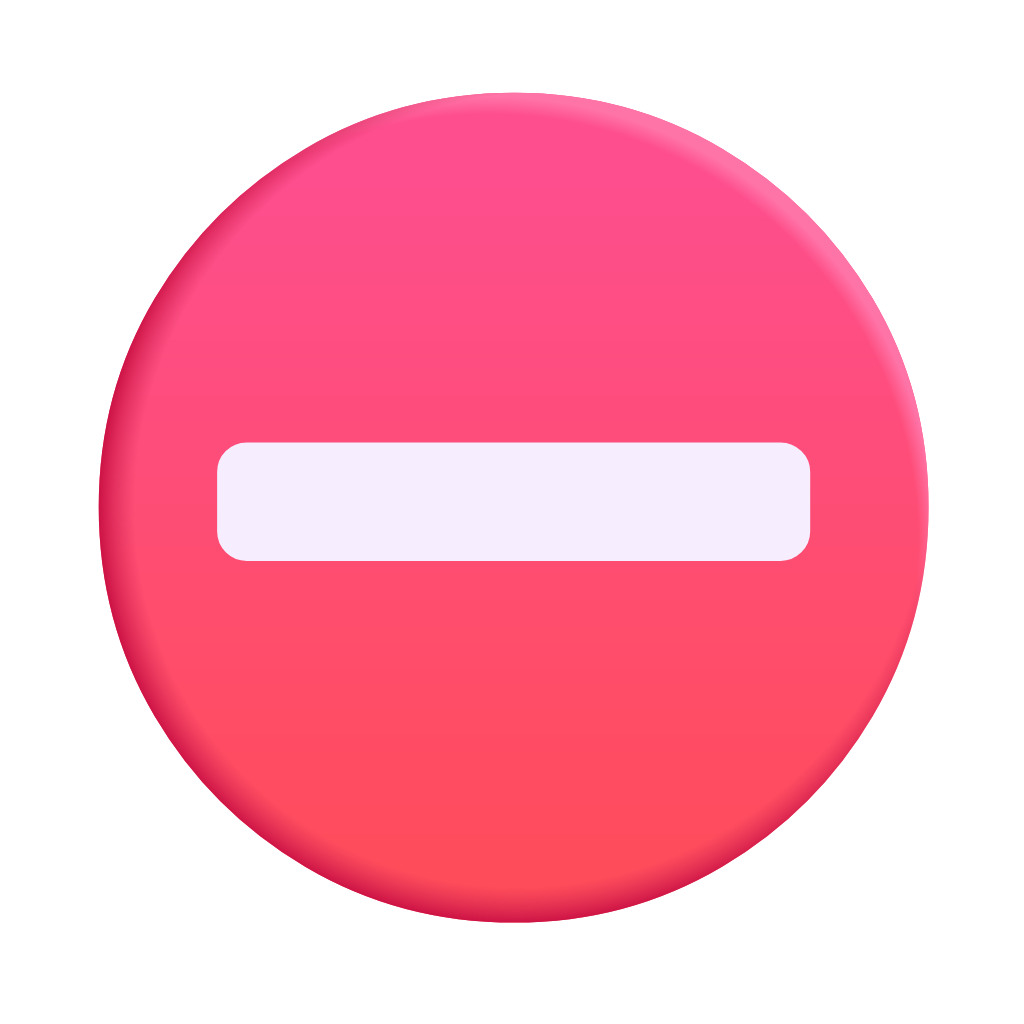
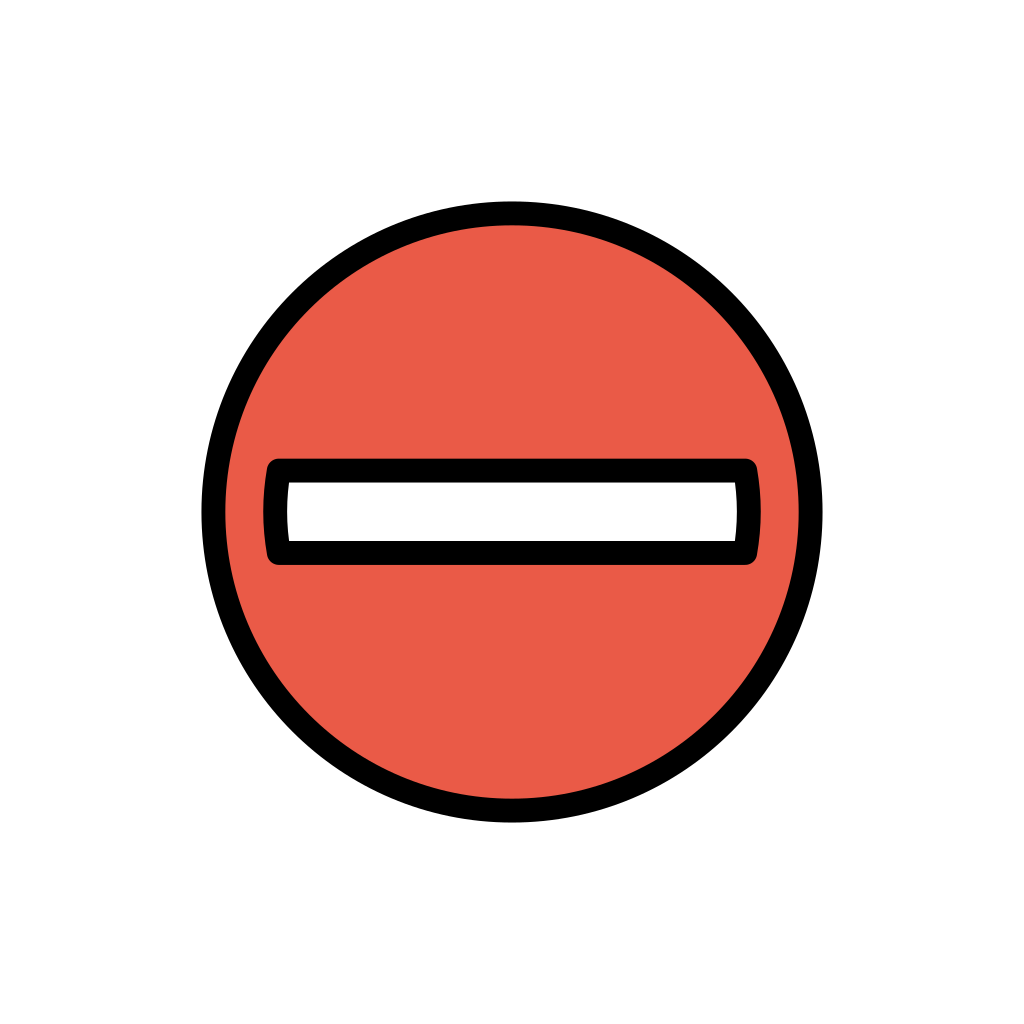
Compare the No Entry emoji across platforms
10 platform designs
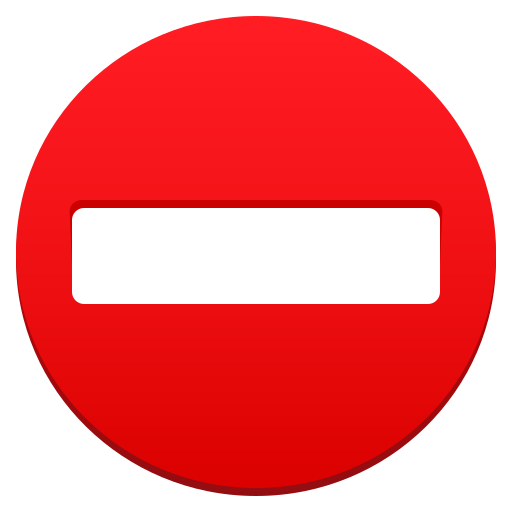
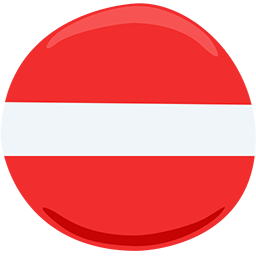
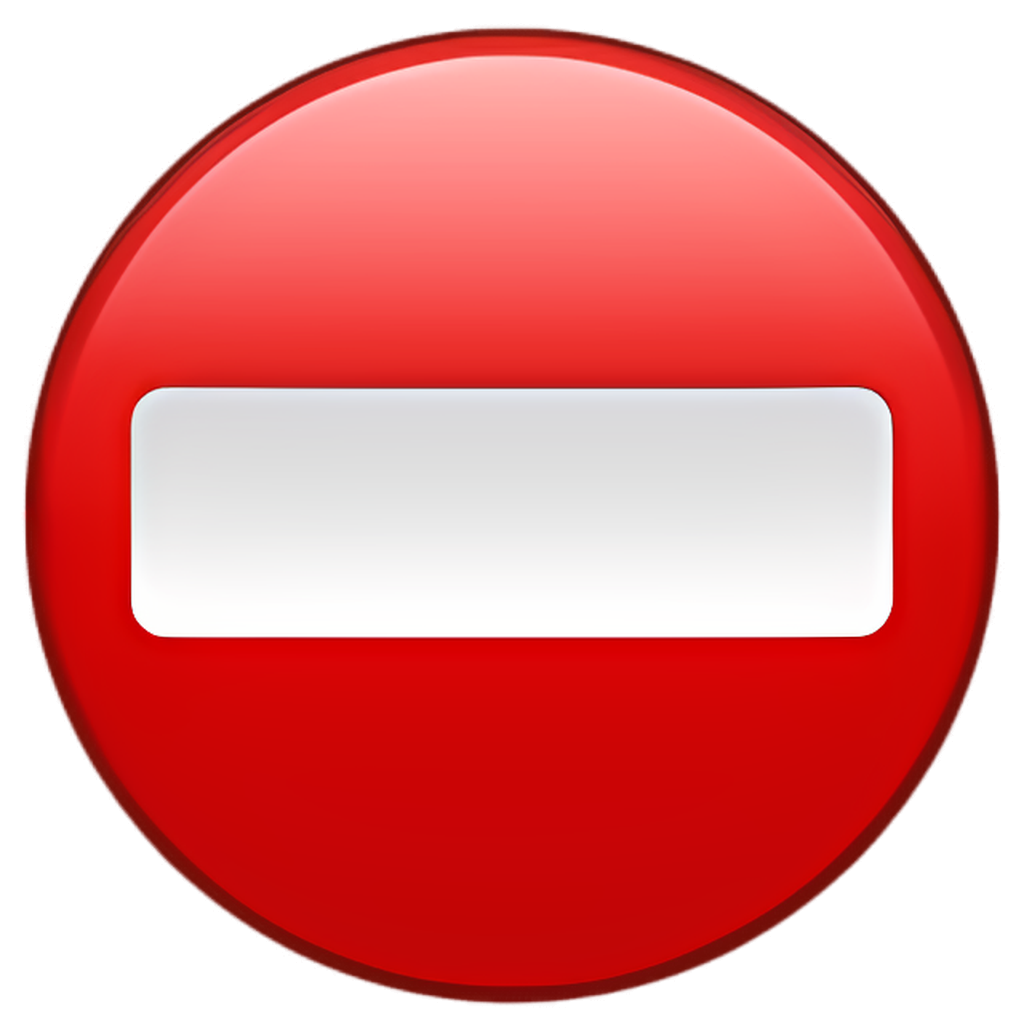
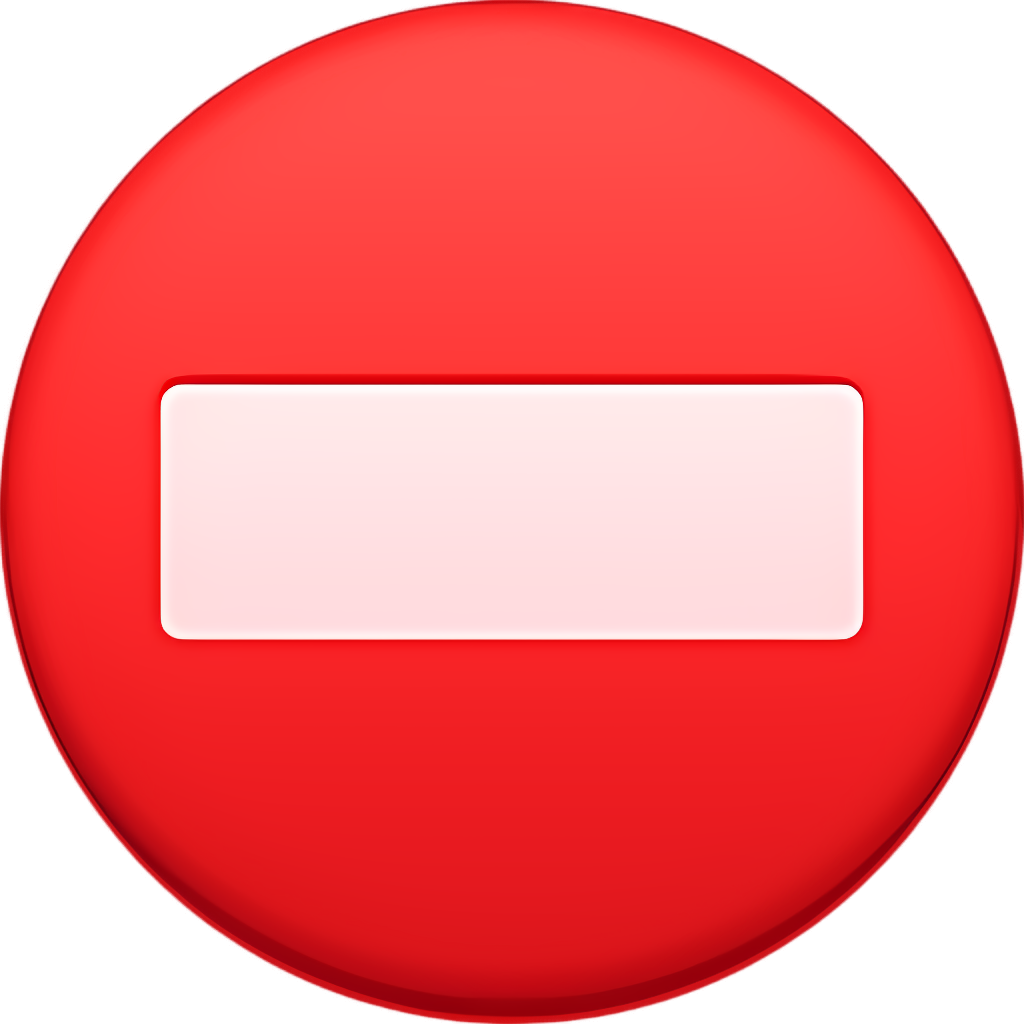
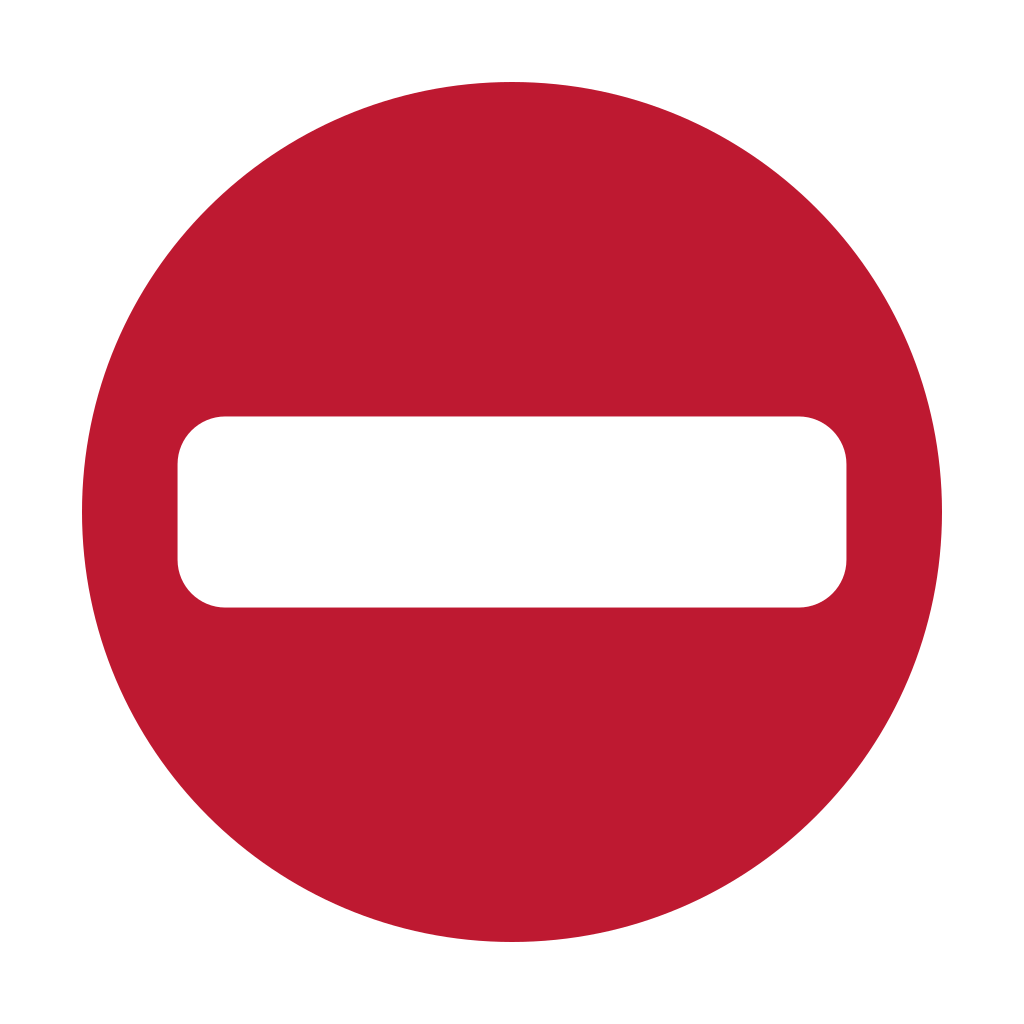
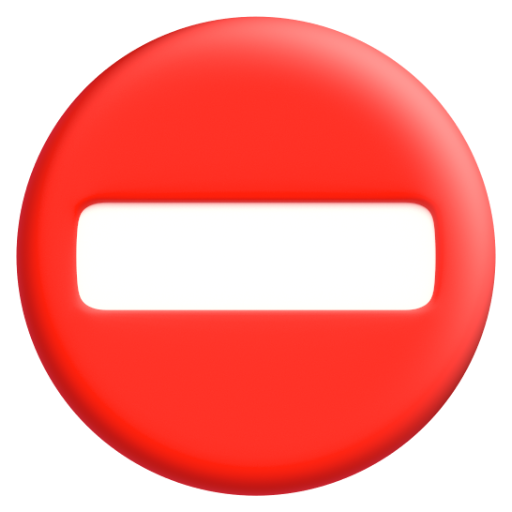
Compare ⛔ in Apple, Google, Samsung and other styles. Download each available version as a transparent PNG directly from its card, or choose SVG where available. Copying the character uses the style of the receiving device.
Enhanced PNGs are reconstructed from smaller vendor artwork; the exact originals are shown above for comparison. Artwork credits & usage terms
The visual archive
No Entry emoji design history
65 recorded appearances across 19 platform families
Follow this emoji’s recorded designs, from the earliest artwork on the left to the latest documented version on the right. Download a particular original to keep its platform design.
Original dimensions and animation are preserved. Dates labelled “Date unverified” have not been independently verified; limited-precision records show only the known month or year. Date checks identify the named release, not the first appearance of every drawing. Releases that reuse a drawing are not necessarily separate design milestones. Unavailable originals are marked on their records. How this archive is documented →
The meaning
What does the ⛔ No Entry emoji mean?
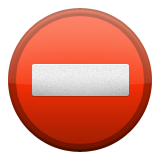
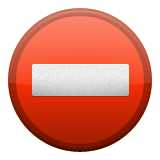
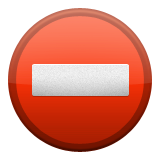
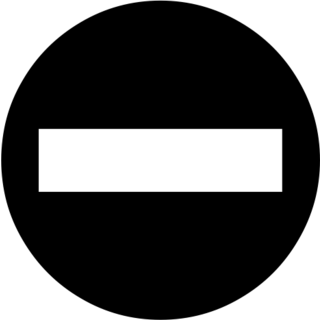
The No Entry emoji depicts a bold red circle containing a horizontal white bar across its center. Functioning as a universal symbol for prohibition, it communicates a stern 'stop' or 'do not enter' message. It serves as a visual boundary, signaling that a specific behavior, person, or topic is strictly unwelcome or off-limits in digital spaces.
Common uses
Setting hard boundaries in personal status updates or social media bios.
Emphasizing a 'no-go' zone in professional project management or security discussions.
Expressing a sarcastic refusal to engage with a controversial or annoying topic.
Serving as a visual shorthand for 'access denied' or technical lockout scenarios.
Background
No Entry first appeared in the Unicode Standard 5.2 in 2009. Unicode’s historical mapping data links this character to equivalent symbols in au by KDDI sets.
Copy ⛔ to use the Unicode character; the receiving device chooses its appearance. Download an available PNG or SVG to keep a particular drawing. Historical originals retain their native bytes and dimensions. Enhanced PNGs are separately labeled generated derivatives.