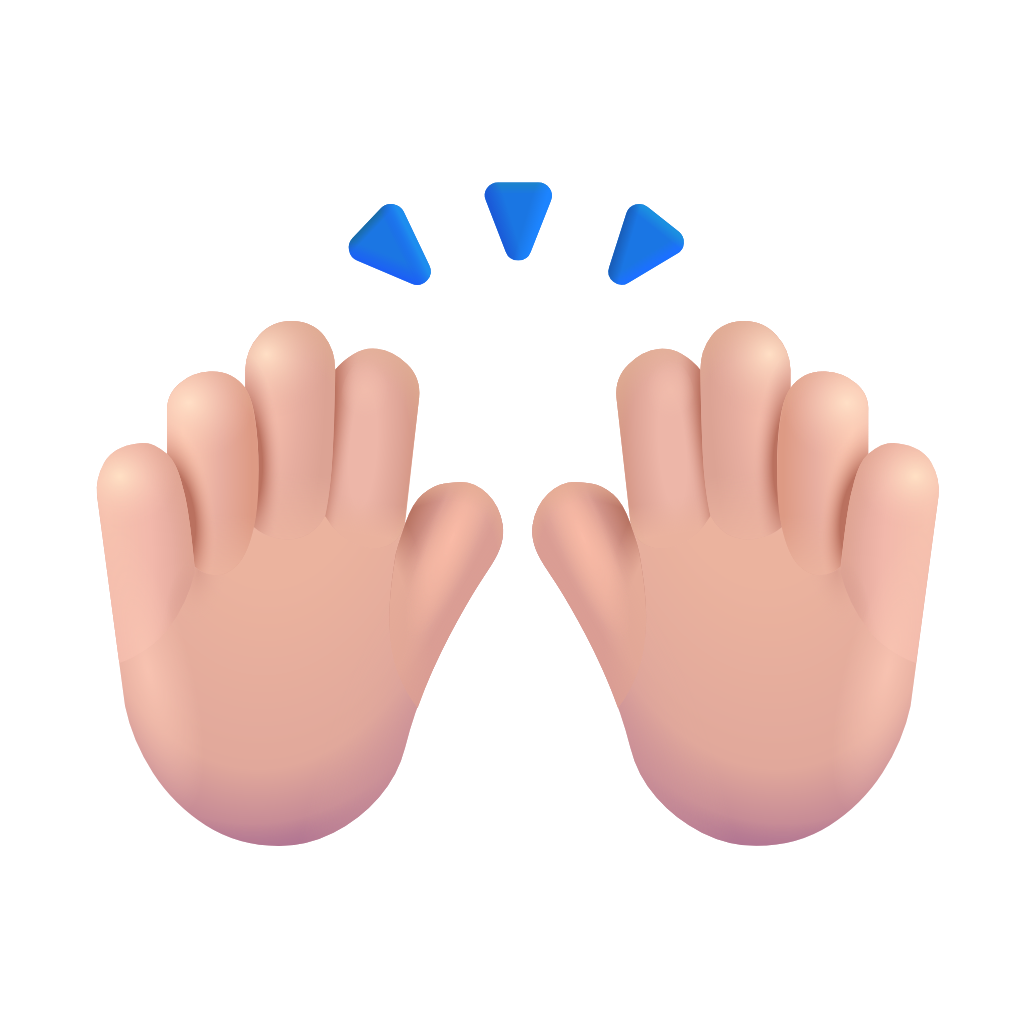
52 recorded appearances across 16 platform families
Platform comparison
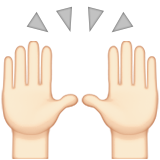
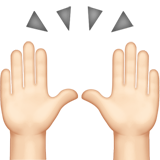
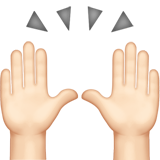
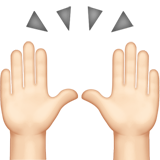
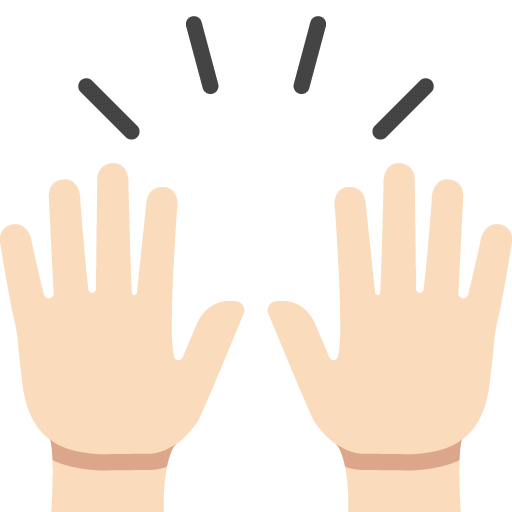
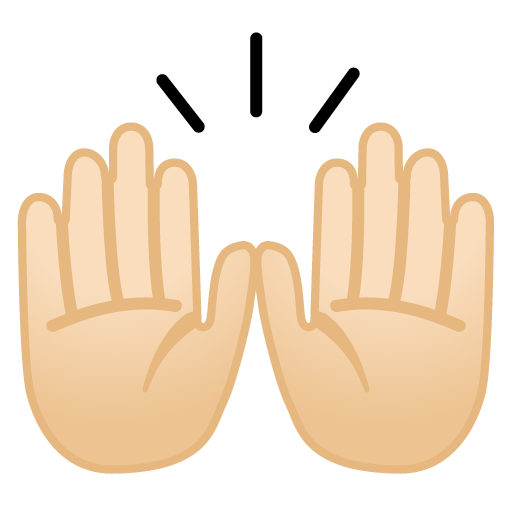
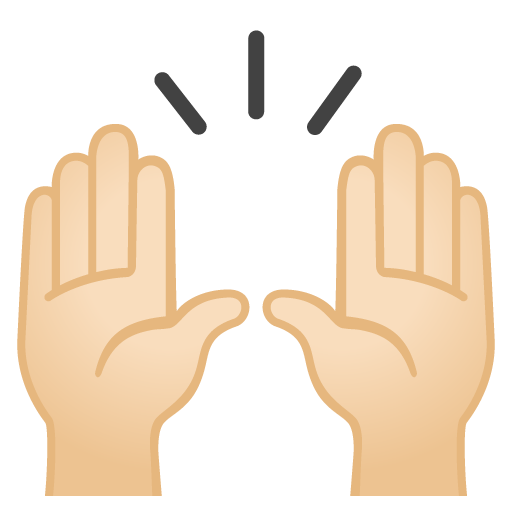
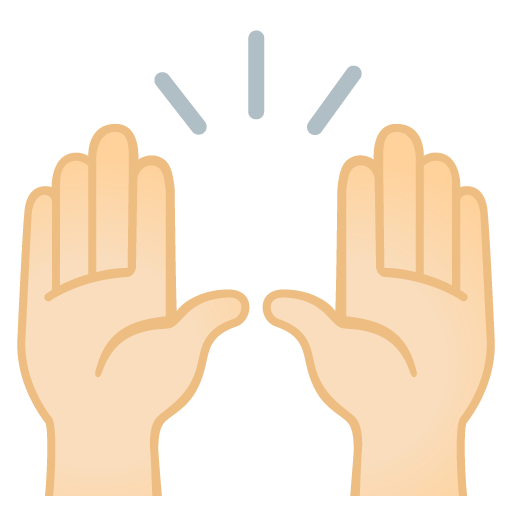
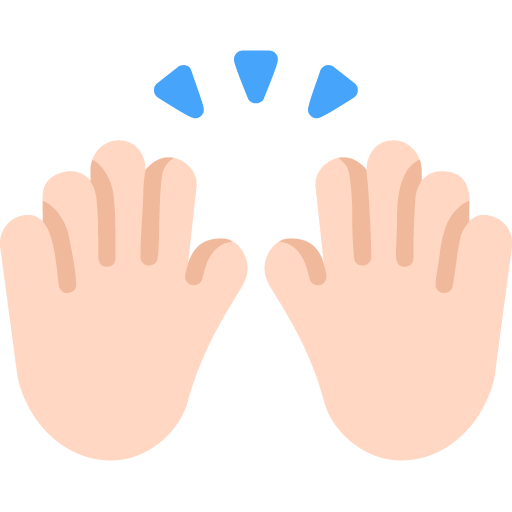
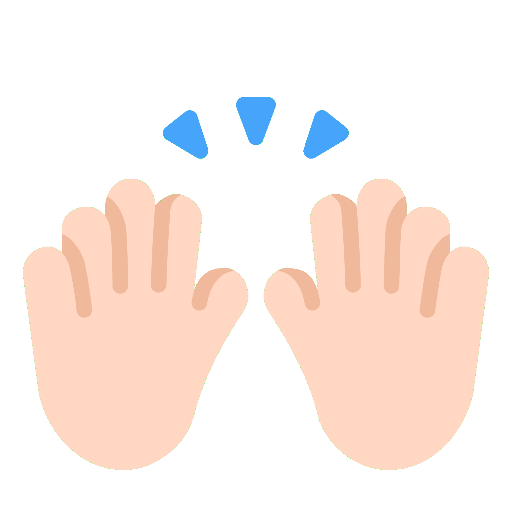
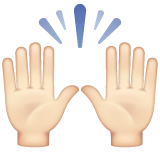
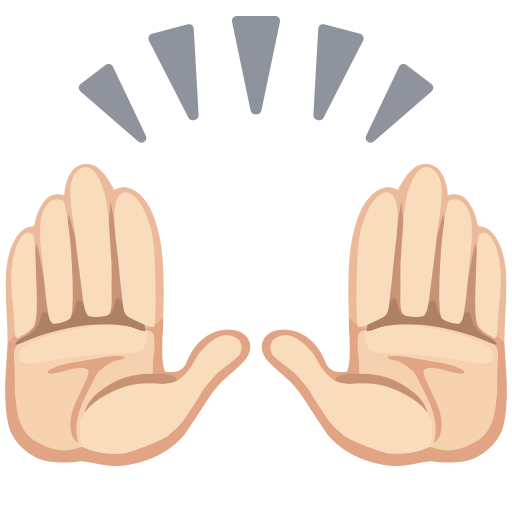
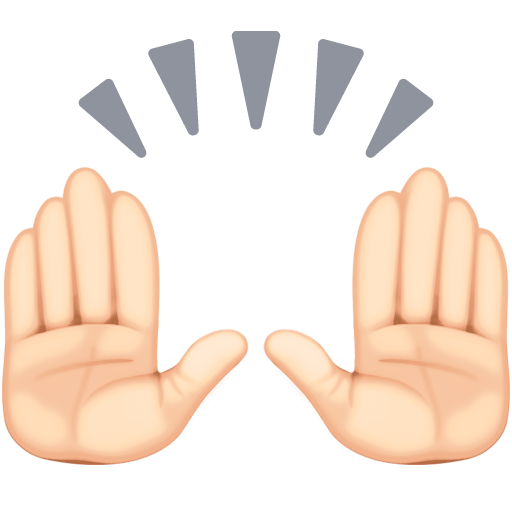
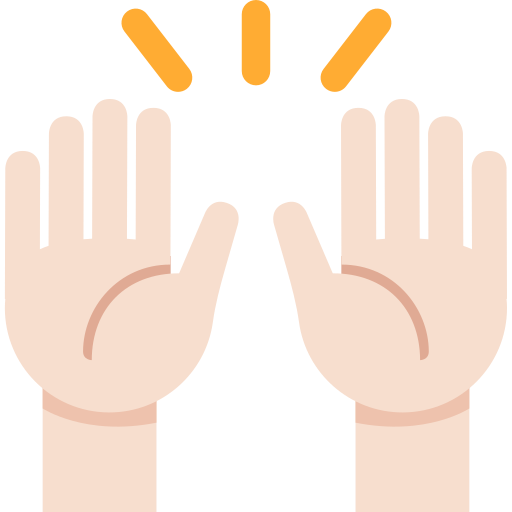
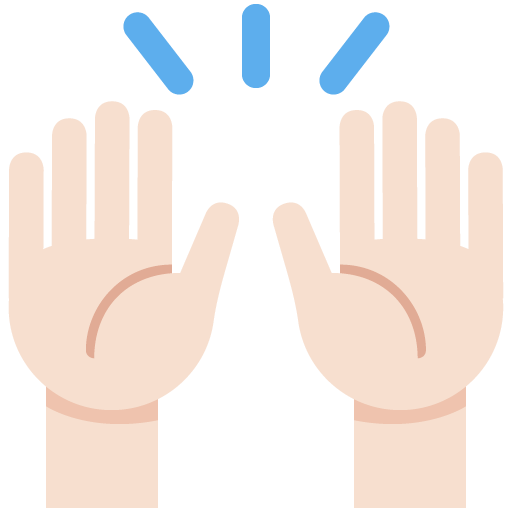
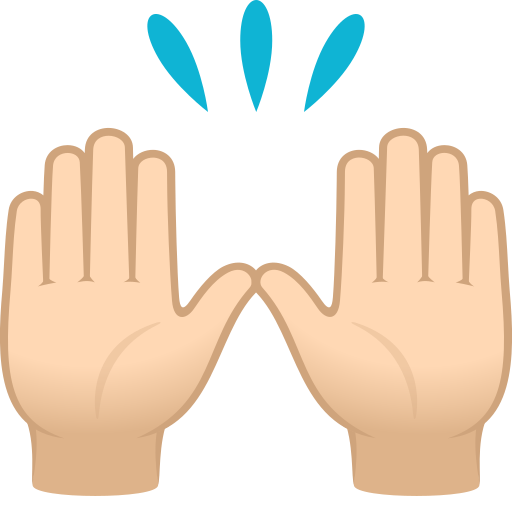
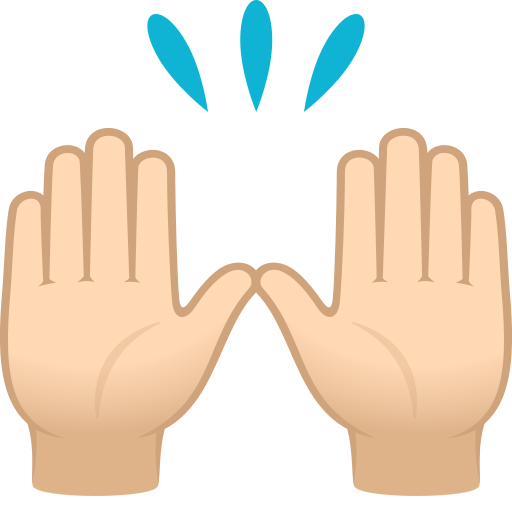
Compare the Raising Hands: Light Skin Tone emoji across platforms
10 platform designs
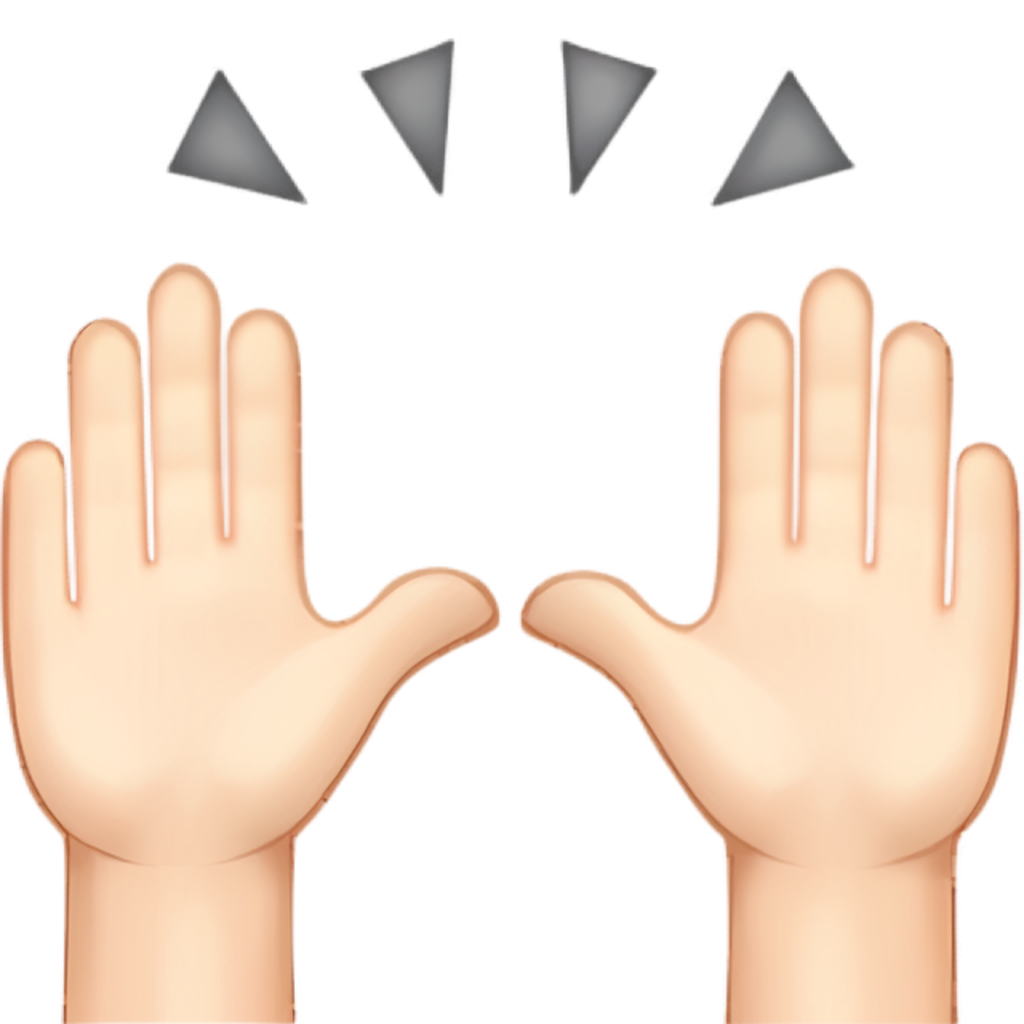
Compare 🙌🏻 in Apple, Google, Samsung and other styles. Download each available version as a transparent PNG directly from its card, or choose SVG where available. Copying the character uses the style of the receiving device.
Enhanced PNGs are reconstructed from smaller vendor artwork; the exact originals are shown above for comparison. Artwork credits & usage terms
The visual archive
Raising Hands: Light Skin Tone emoji design history
52 recorded appearances across 16 platform families
Follow this emoji’s recorded designs, from the earliest artwork on the left to the latest documented version on the right. Download a particular original to keep its platform design.
Original dimensions and animation are preserved. Dates labelled “Date unverified” have not been independently verified; limited-precision records show only the known month or year. Date checks identify the named release, not the first appearance of every drawing. Releases that reuse a drawing are not necessarily separate design milestones. Unavailable originals are marked on their records. How this archive is documented →
The meaning
What does the 🙌🏻 Raising Hands: Light Skin Tone emoji mean?
This modifier represents two hands raised in the air, characterized by a light skin tone. It conveys high-energy celebration, success, and jubilation. Visually, the palms are facing forward with fingers splayed, symbolizing a gesture of praise, relief, or a communal 'high ten' to express joy and accomplishment across digital platforms.
Common uses
Expressing profound gratitude or religious praise in spiritual contexts.
Celebrating a major personal achievement or a favorable piece of news.
Used sarcastically to signal 'finally' when a long-awaited event occurs.
Representing a 'double high five' in sports and fitness communities to show team spirit.
Background
The base Raising Hands emoji was approved in Unicode 6.0 in 2010, with the Type-1-2 skin tone modifier added in 2015 via Emoji 1.0. Unicode’s historical mapping data links the base character to equivalent symbols in au by KDDI and SoftBank sets.
Copy 🙌🏻 to use the Unicode character; the receiving device chooses its appearance. Download an available PNG or SVG to keep a particular drawing. Historical originals retain their native bytes and dimensions. Enhanced PNGs are separately labeled generated derivatives.