55 recorded appearances across 16 platform families
Platform comparison
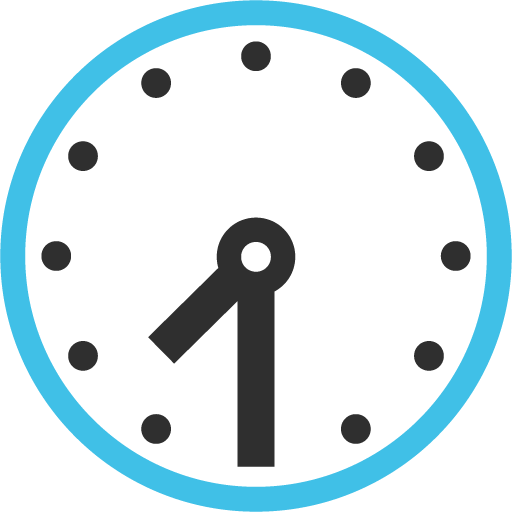
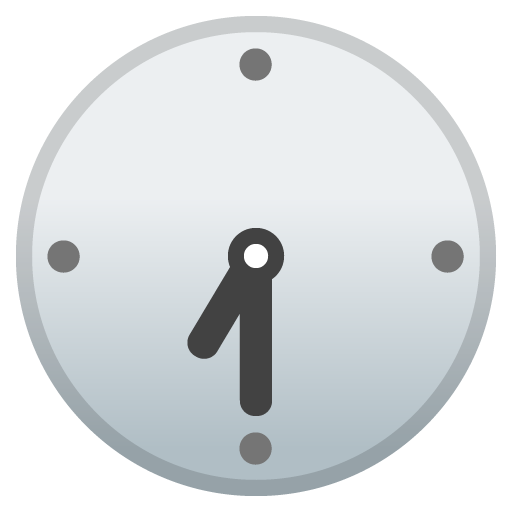
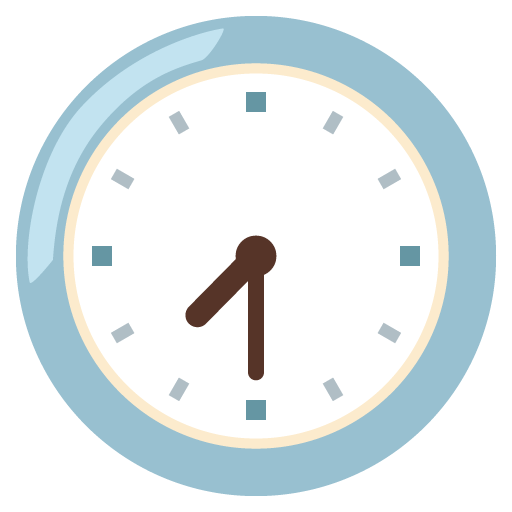
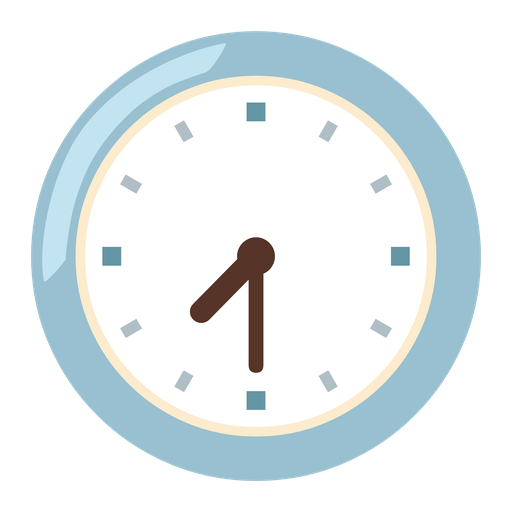
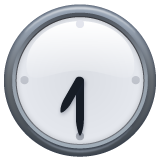
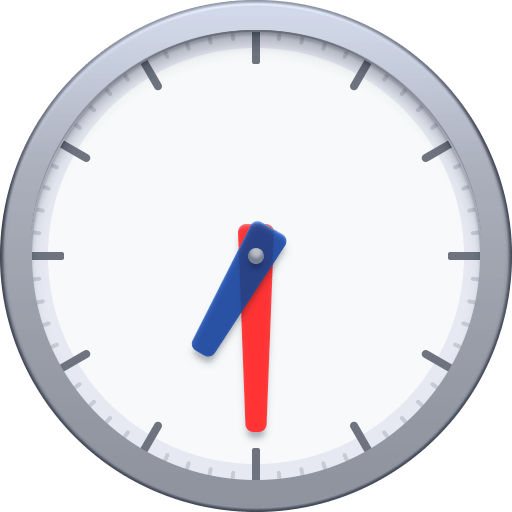
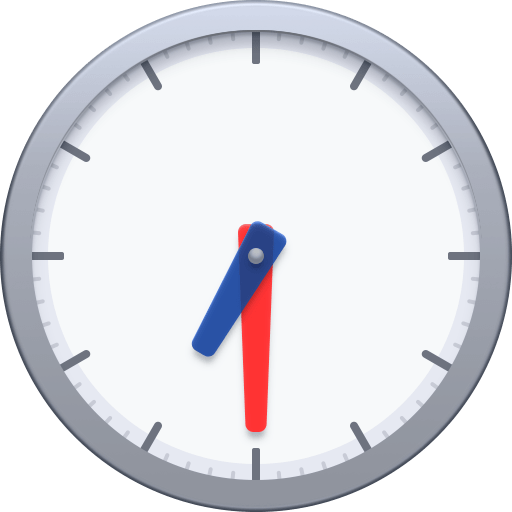
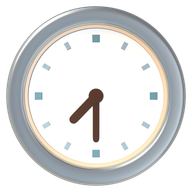
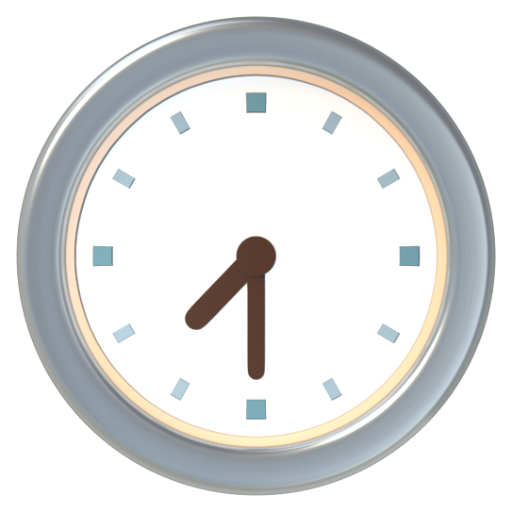
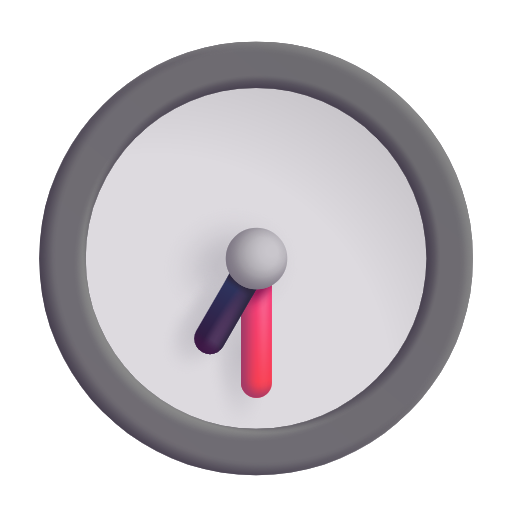
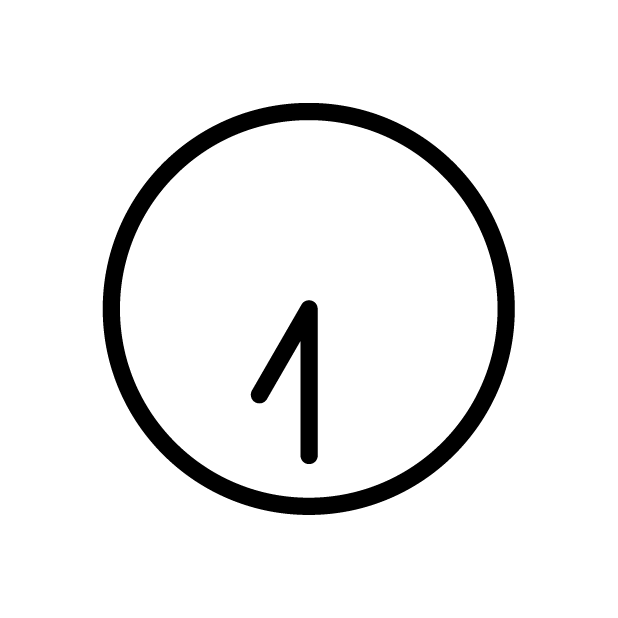
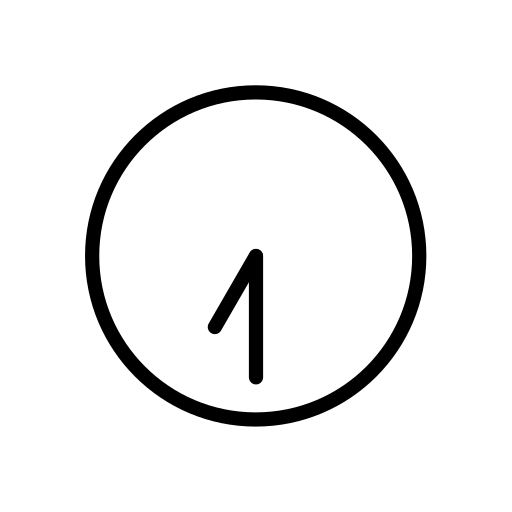
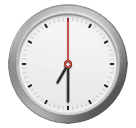
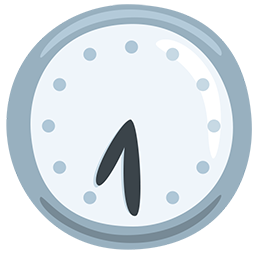
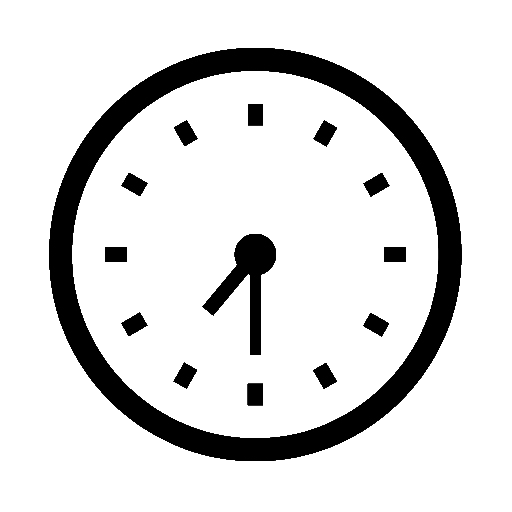
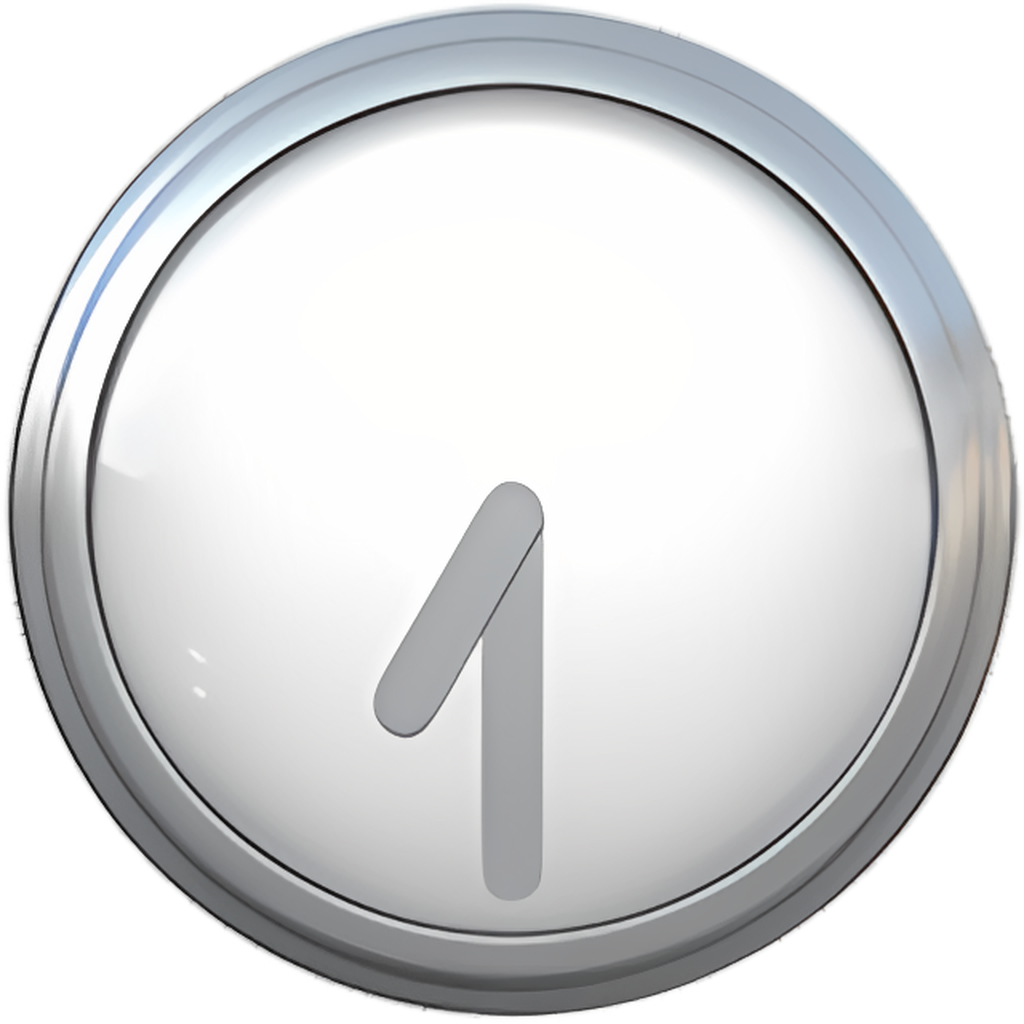
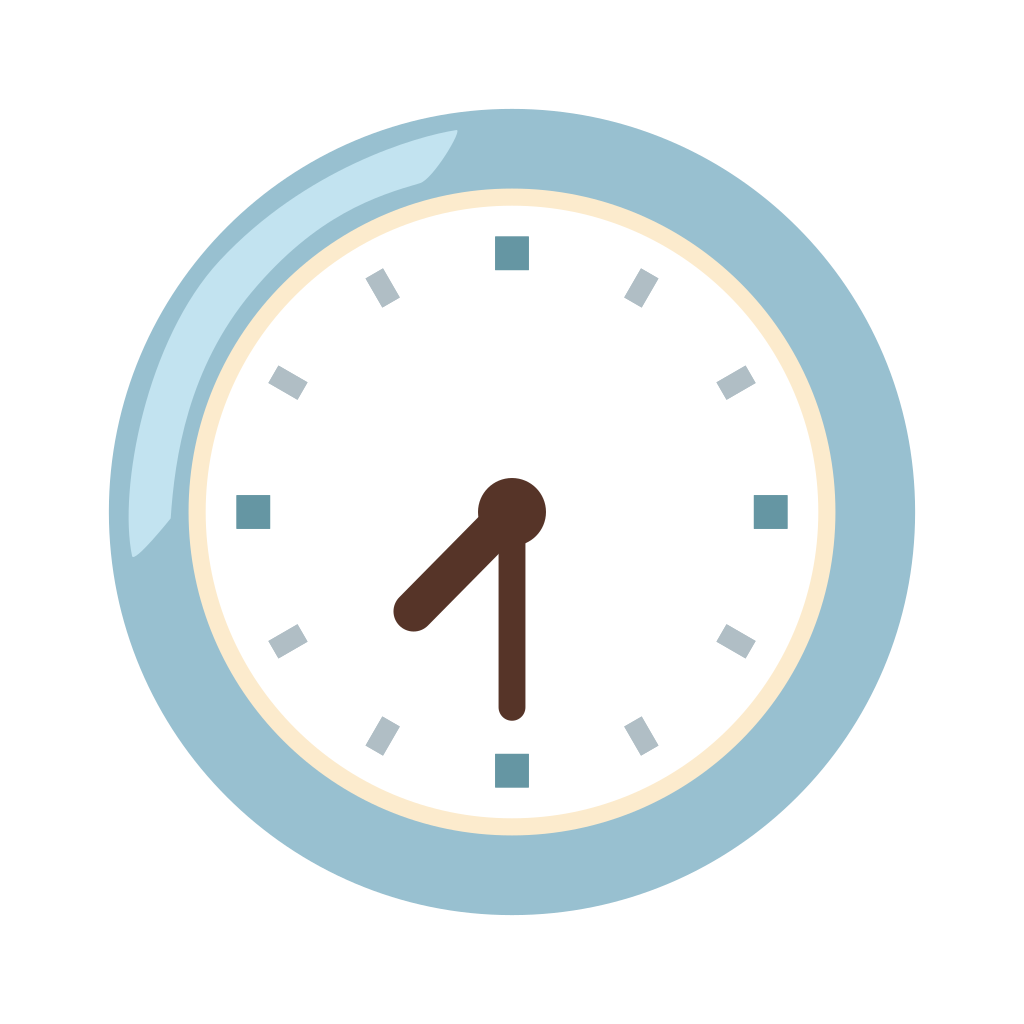
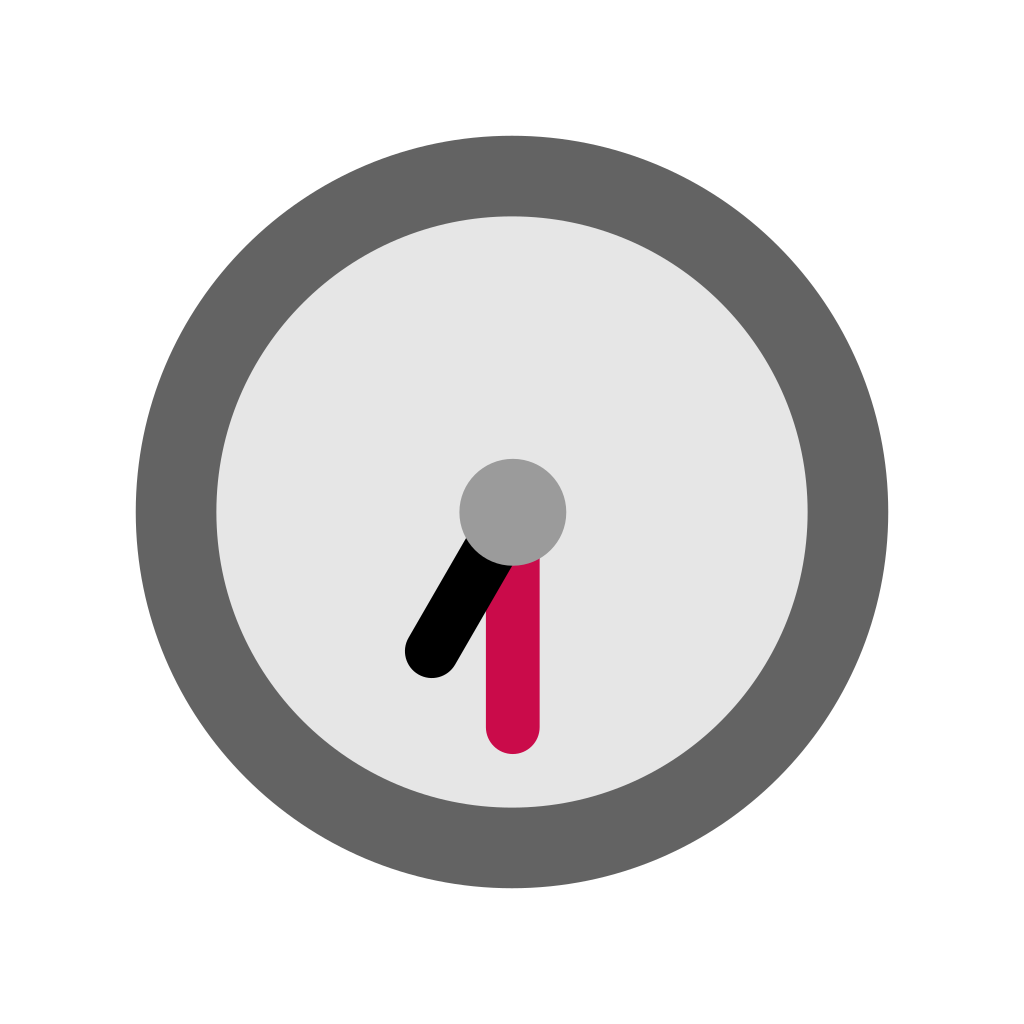
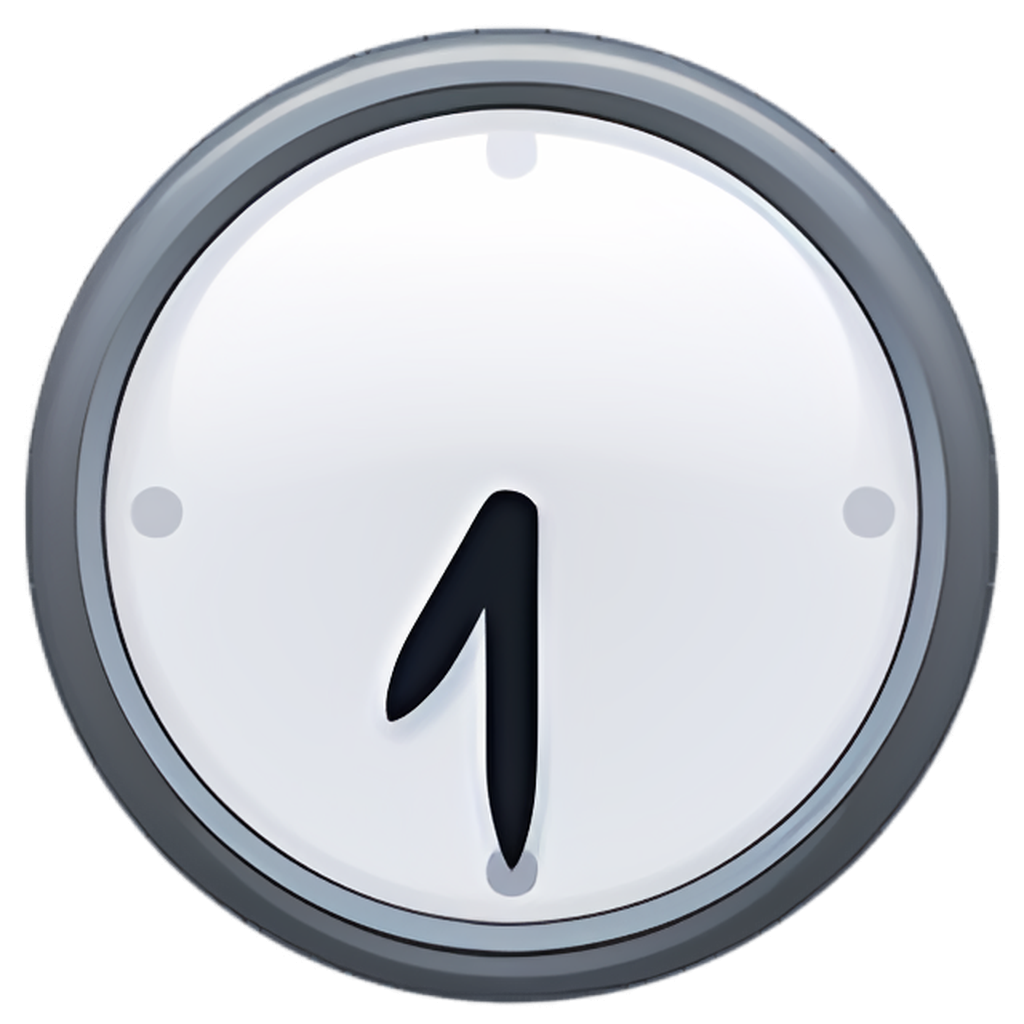
Compare the Seven-Thirty emoji across platforms
10 platform designs
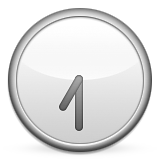
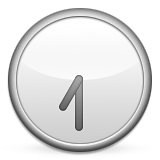
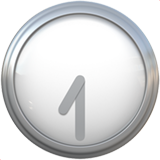
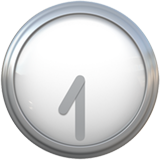
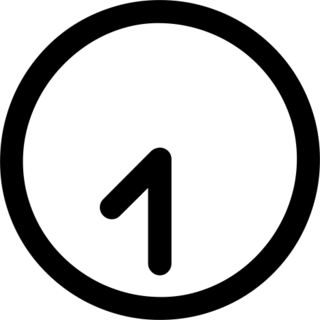
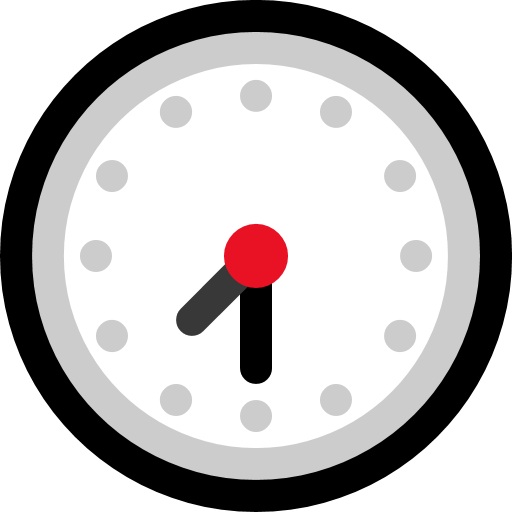
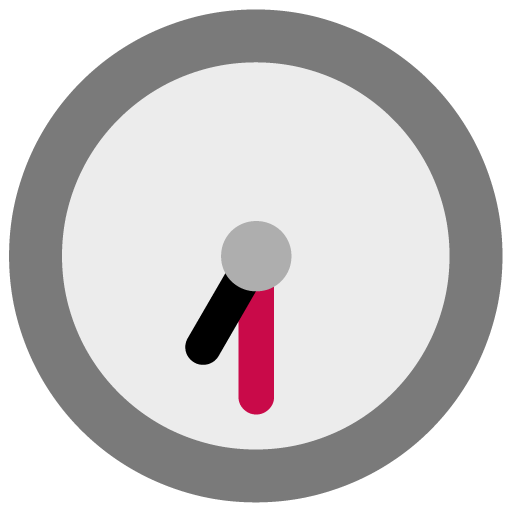
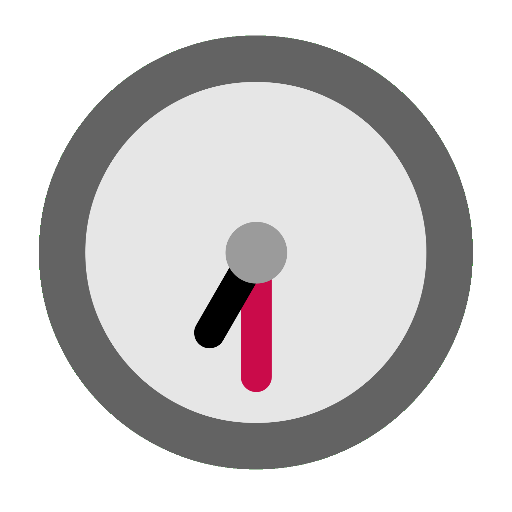
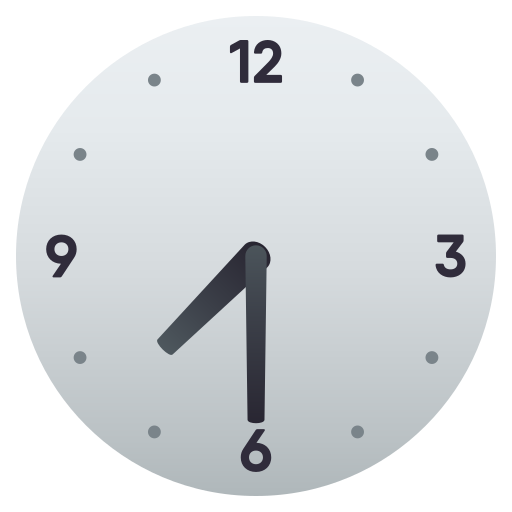
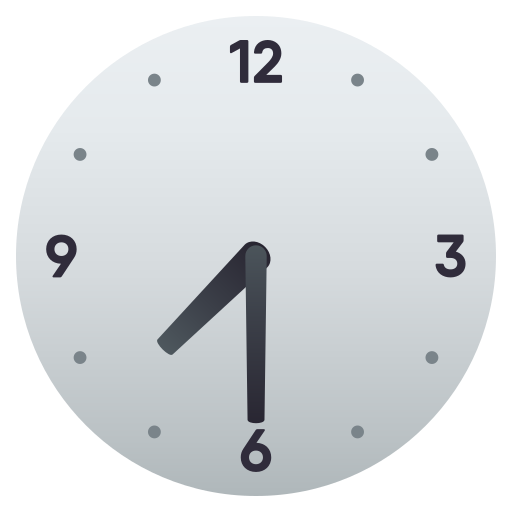
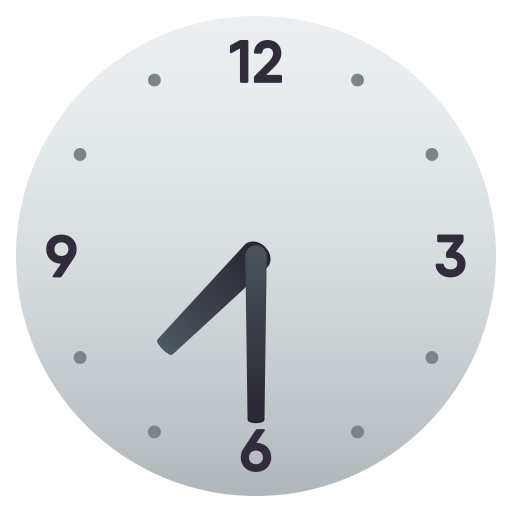
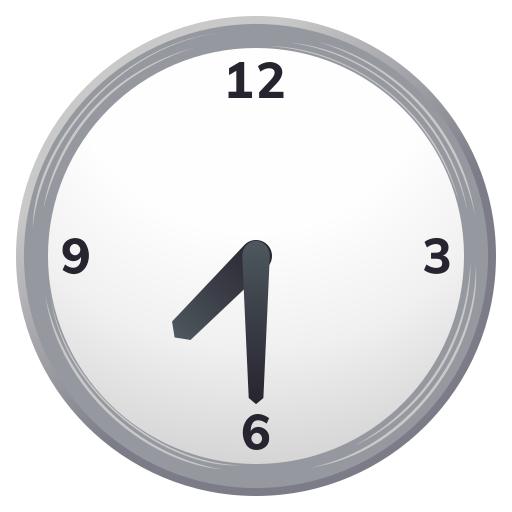
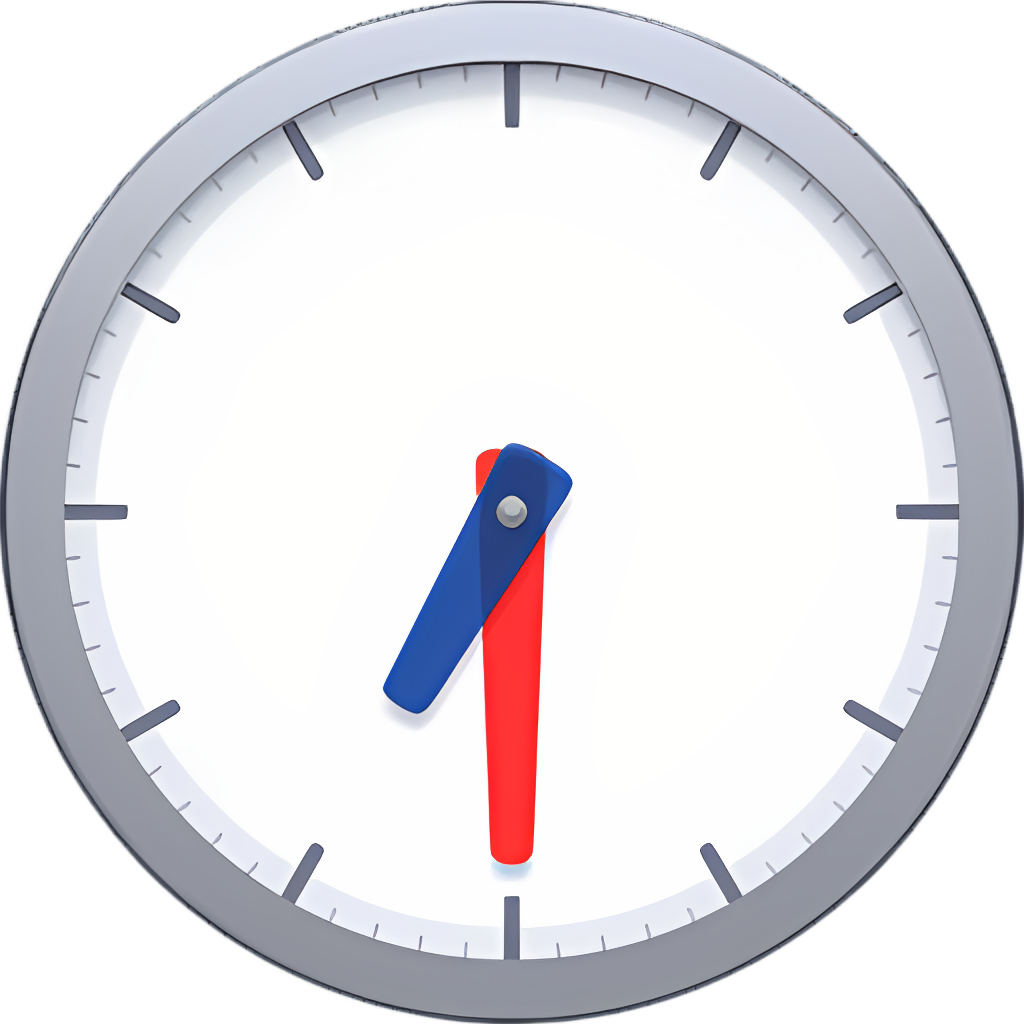
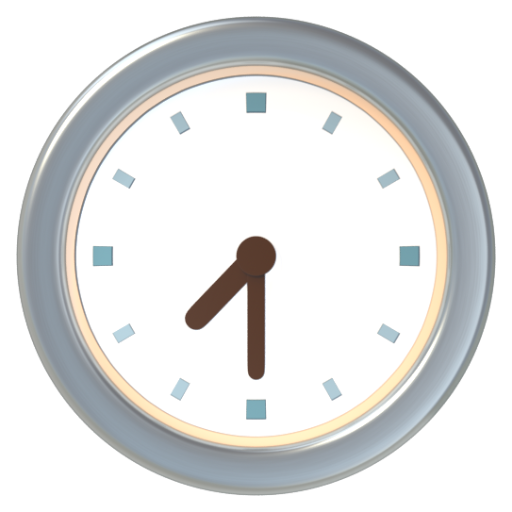
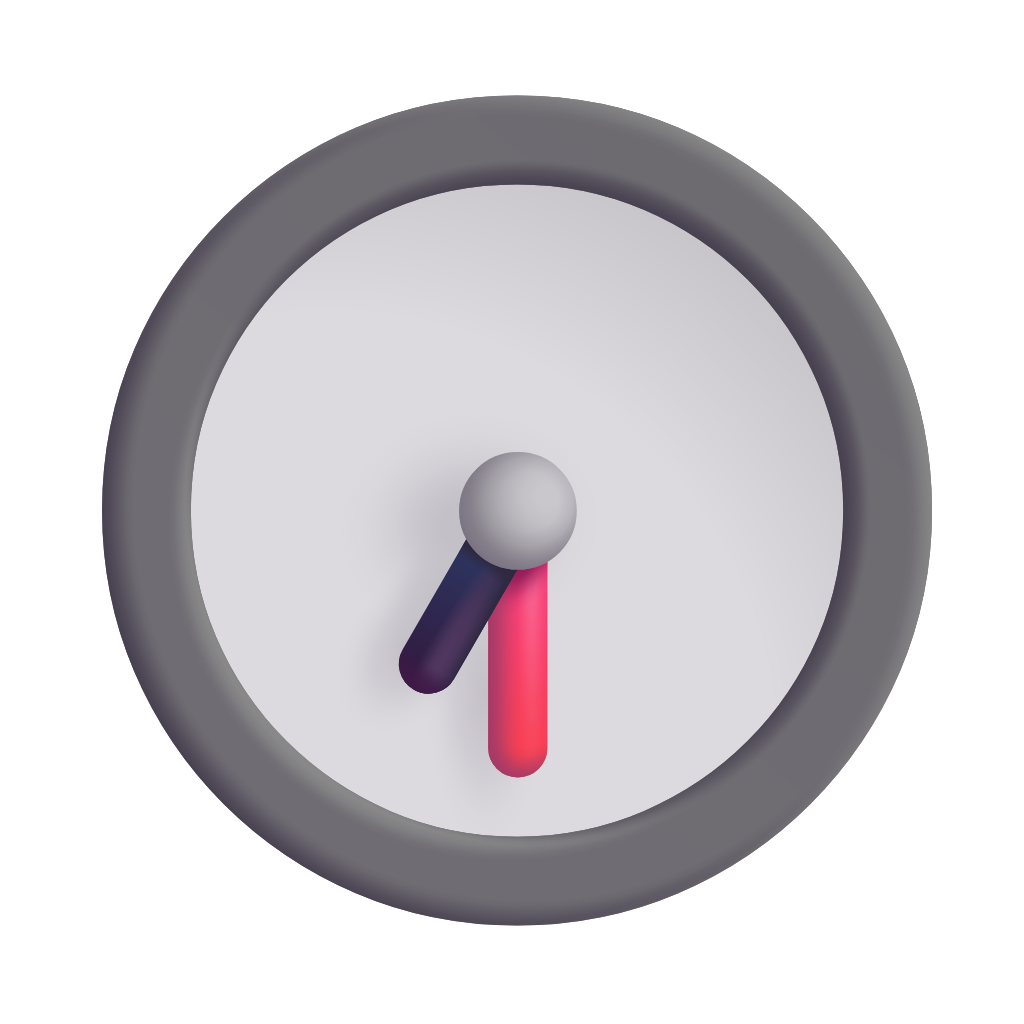
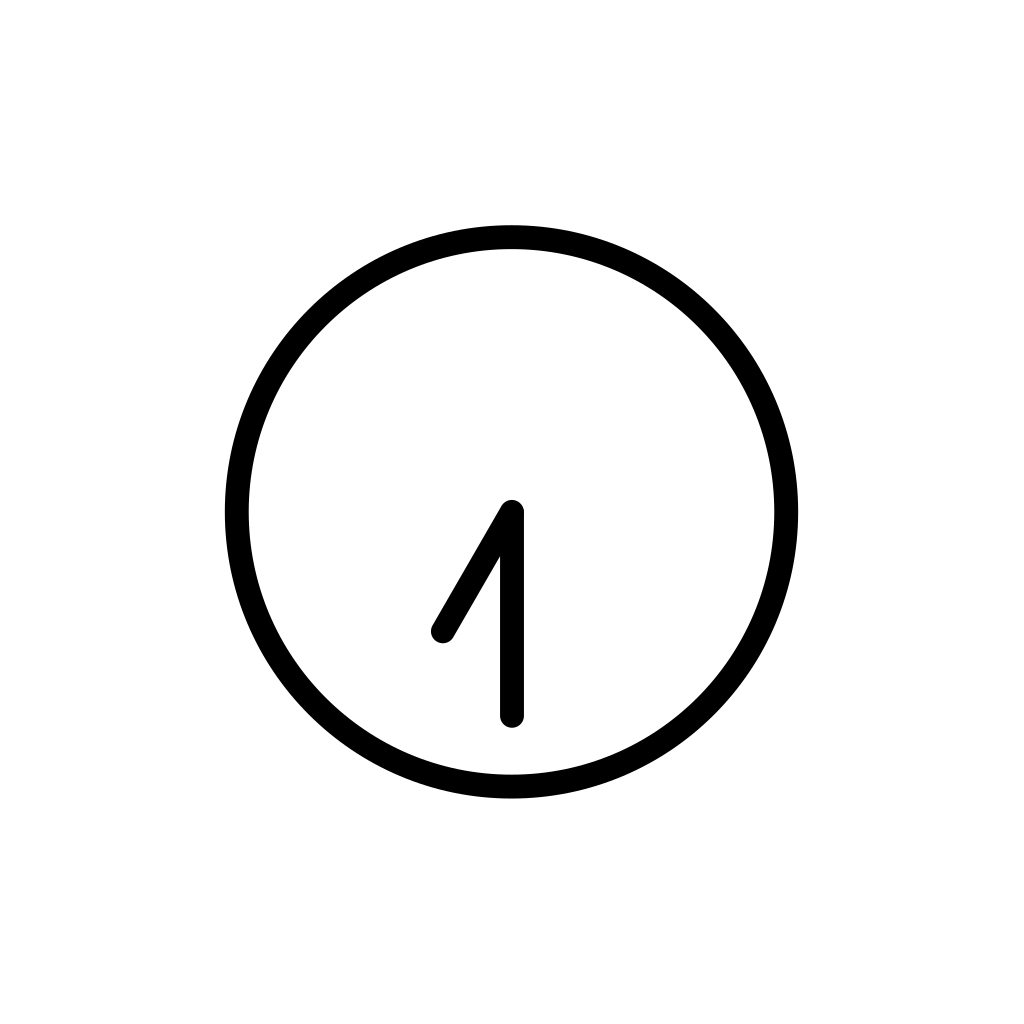
Compare 🕢 in Apple, Google, Samsung and other styles. Download each available version as a transparent PNG directly from its card, or choose SVG where available. Copying the character uses the style of the receiving device.
Enhanced PNGs are reconstructed from smaller vendor artwork; the exact originals are shown above for comparison. Artwork credits & usage terms
The visual archive
Seven-Thirty emoji design history
55 recorded appearances across 16 platform families
Follow this emoji’s recorded designs, from the earliest artwork on the left to the latest documented version on the right. Download a particular original to keep its platform design.
Original dimensions and animation are preserved. Dates labelled “Date unverified” have not been independently verified; limited-precision records show only the known month or year. Date checks identify the named release, not the first appearance of every drawing. Releases that reuse a drawing are not necessarily separate design milestones. Unavailable originals are marked on their records. How this archive is documented →
The meaning
What does the 🕢 Seven-Thirty emoji mean?
The Seven-Thirty emoji depicts a classic analog clock face with the hour hand positioned halfway between seven and eight and the minute hand pointing directly at the six. It serves as a precise chronological marker, conveying a sense of transition, early evening routines, or the onset of peak prime-time activities in a minimalist aesthetic.
Common uses
Scheduling morning commutes or the start of a typical early-evening dinner reservation.
Signaling the standard start time for prime-time television broadcasts or theatrical performances.
Used in corporate contexts to indicate a 'half-past' deadline or a specific shift transition period.
Referencing the 'Golden Hour' in photography when the sun begins to set in various time zones.
Background
Seven-Thirty was introduced in Unicode 6.0 in 2010.
Copy 🕢 to use the Unicode character; the receiving device chooses its appearance. Download an available PNG or SVG to keep a particular drawing. Historical originals retain their native bytes and dimensions. Enhanced PNGs are separately labeled generated derivatives.