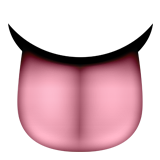
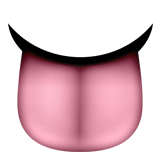
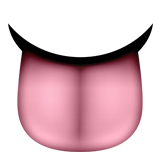
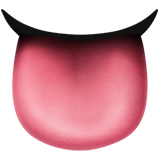
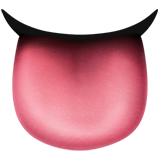
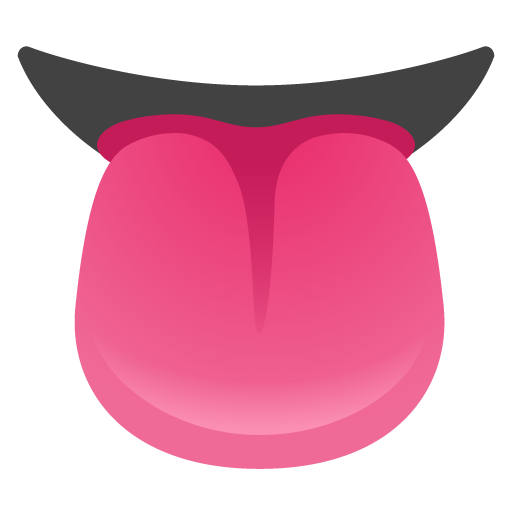
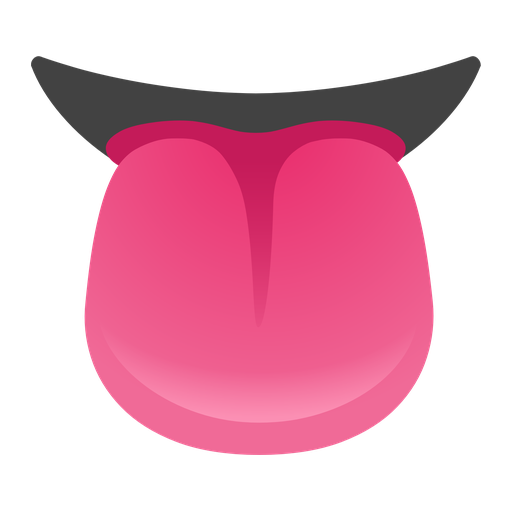
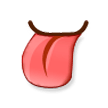
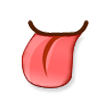
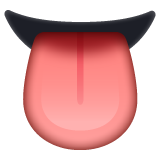
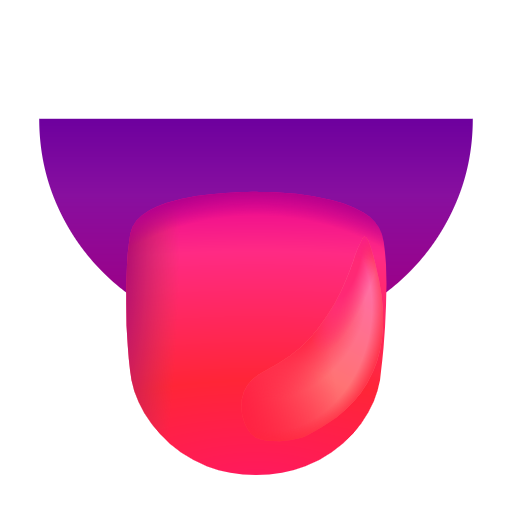
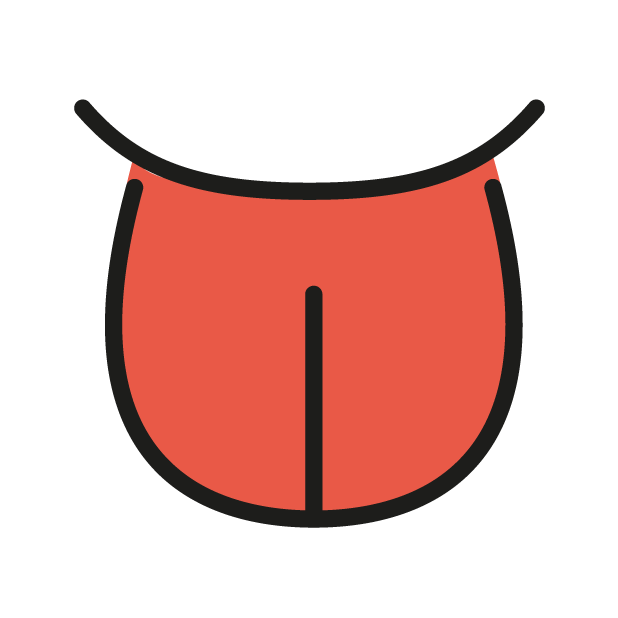
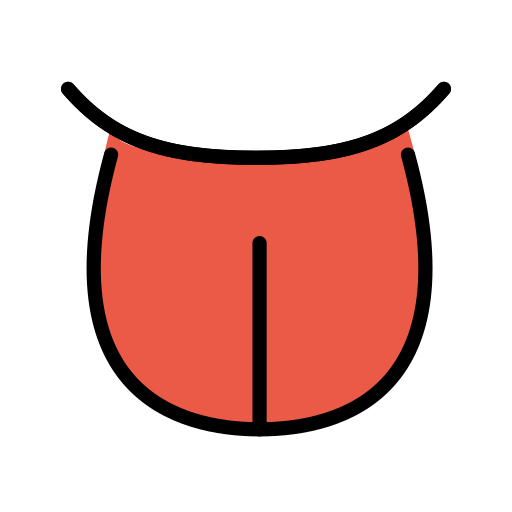
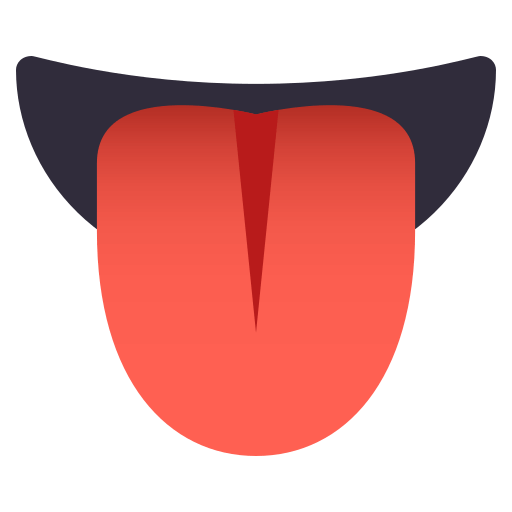
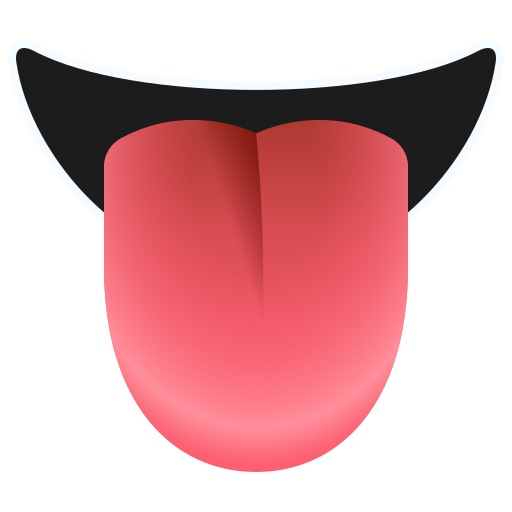
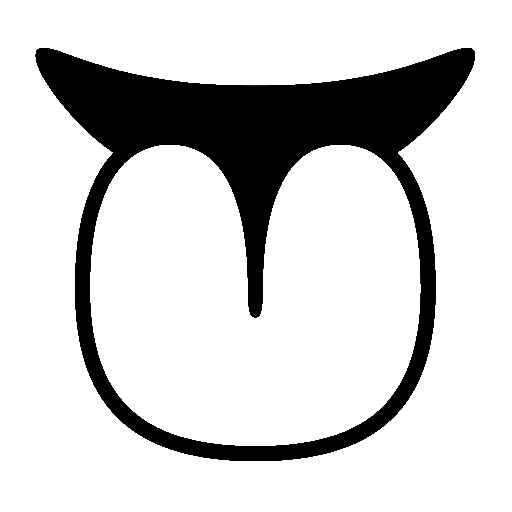
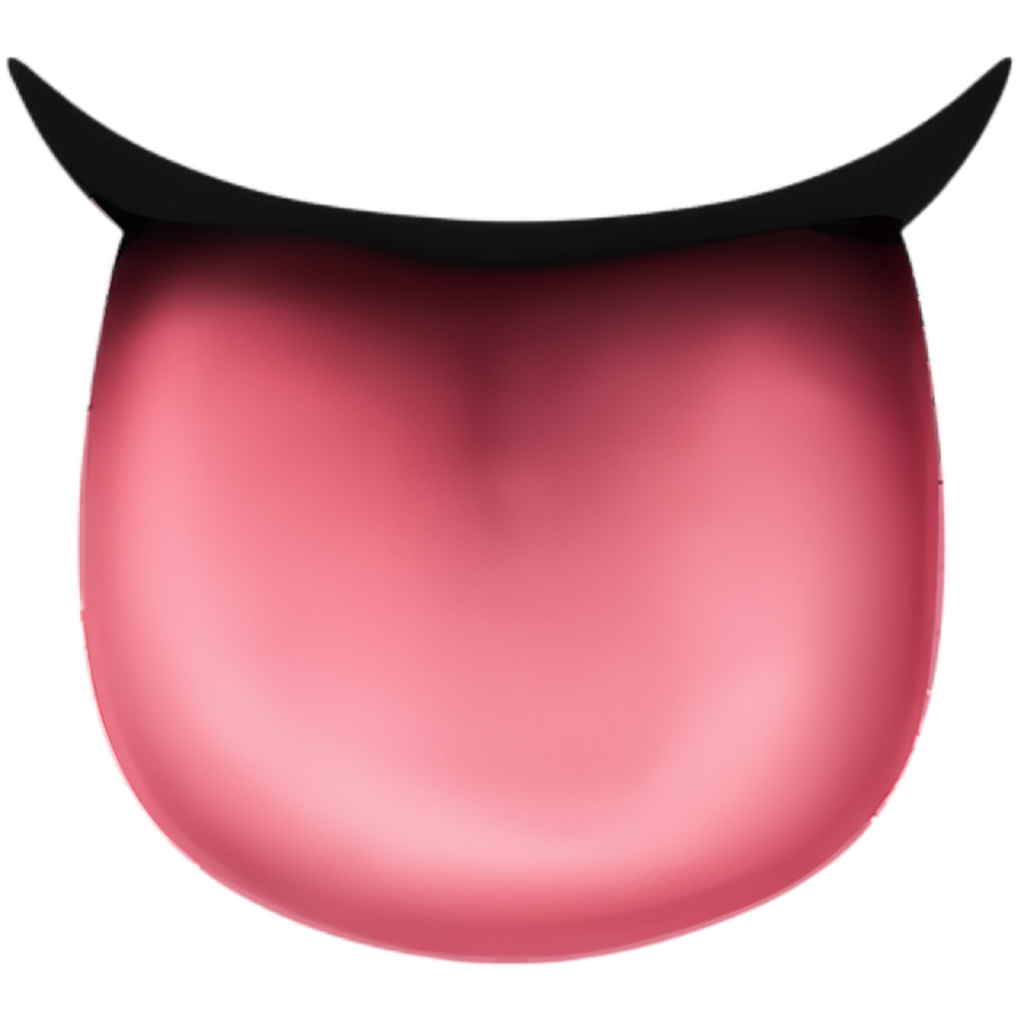
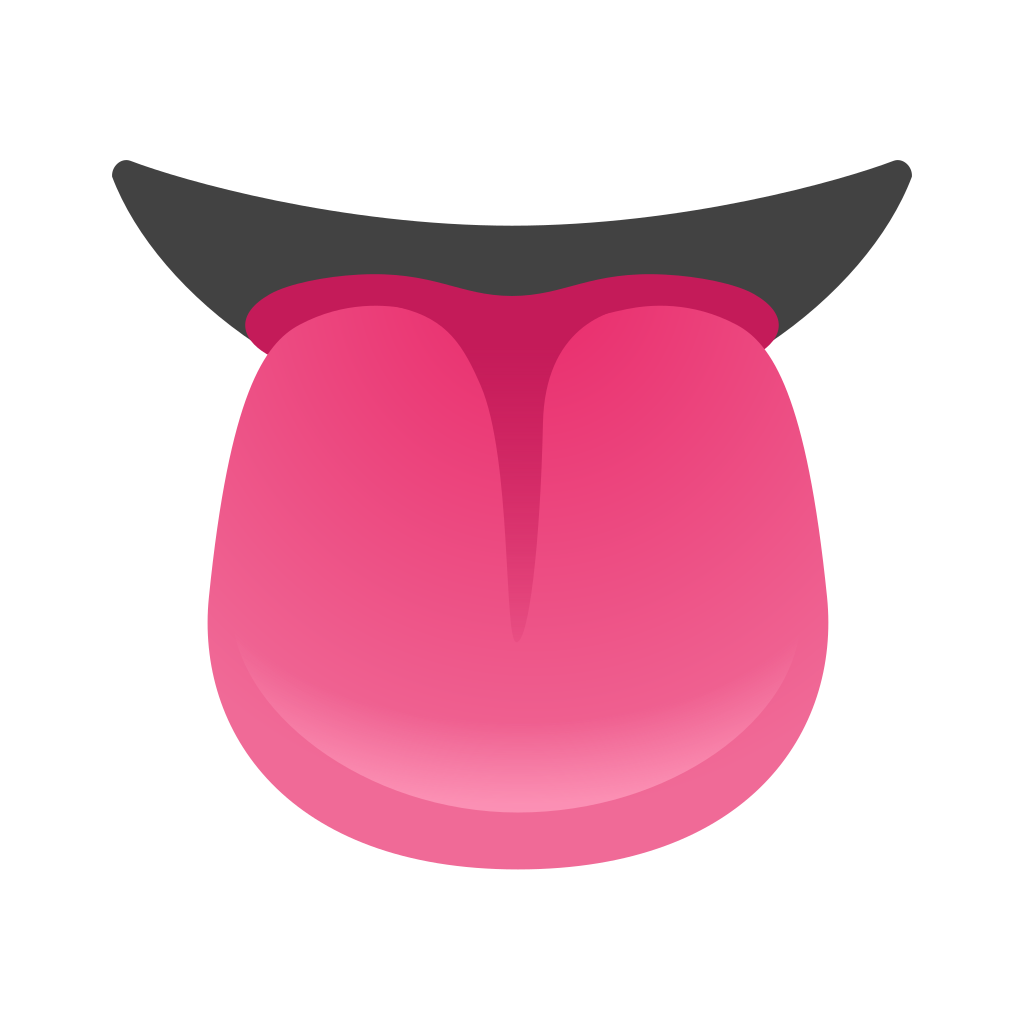
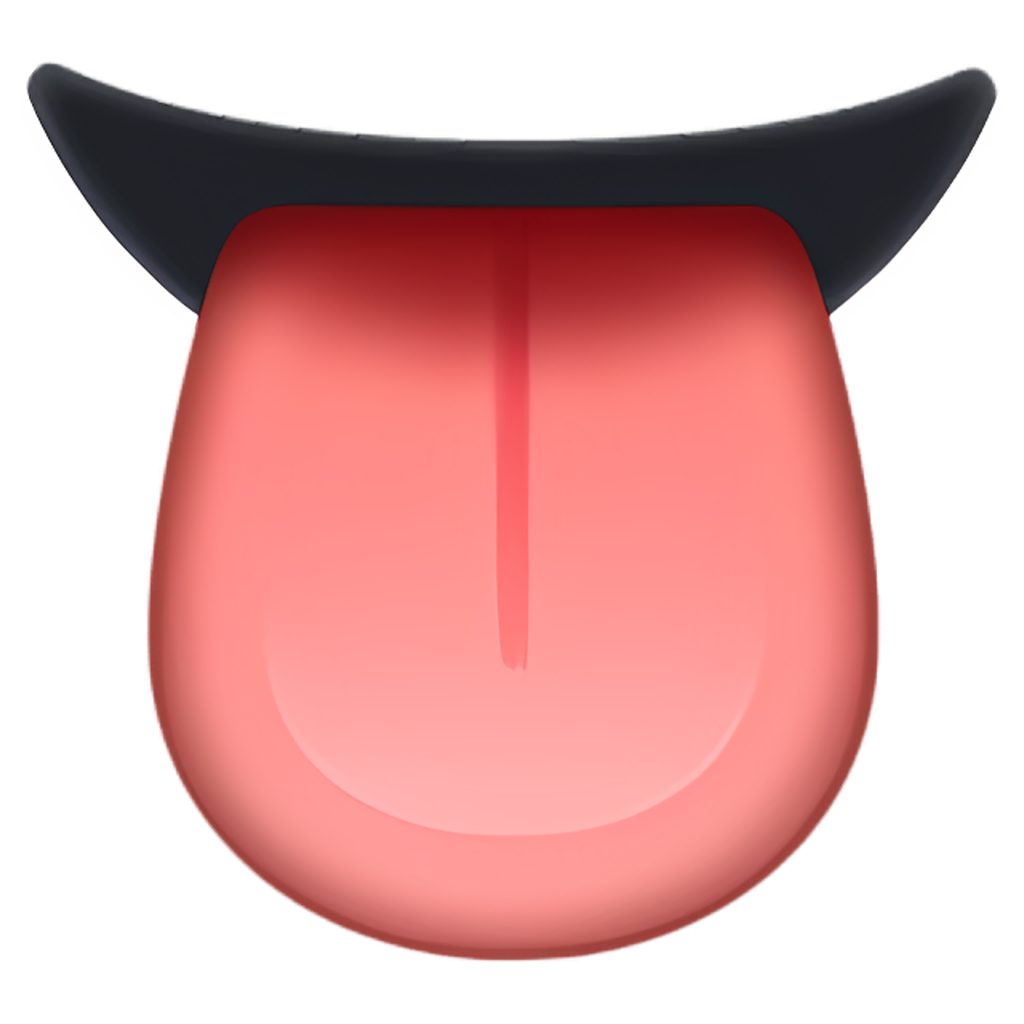
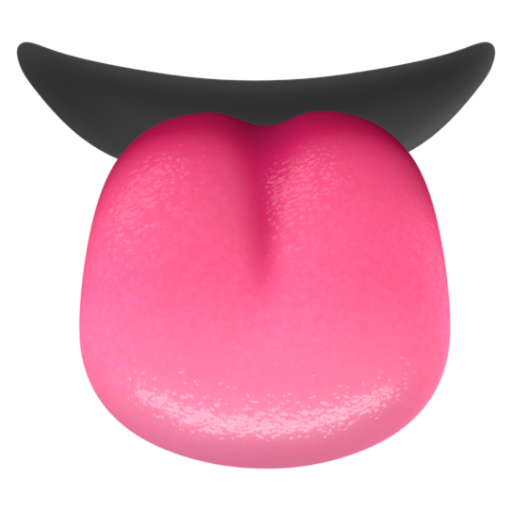
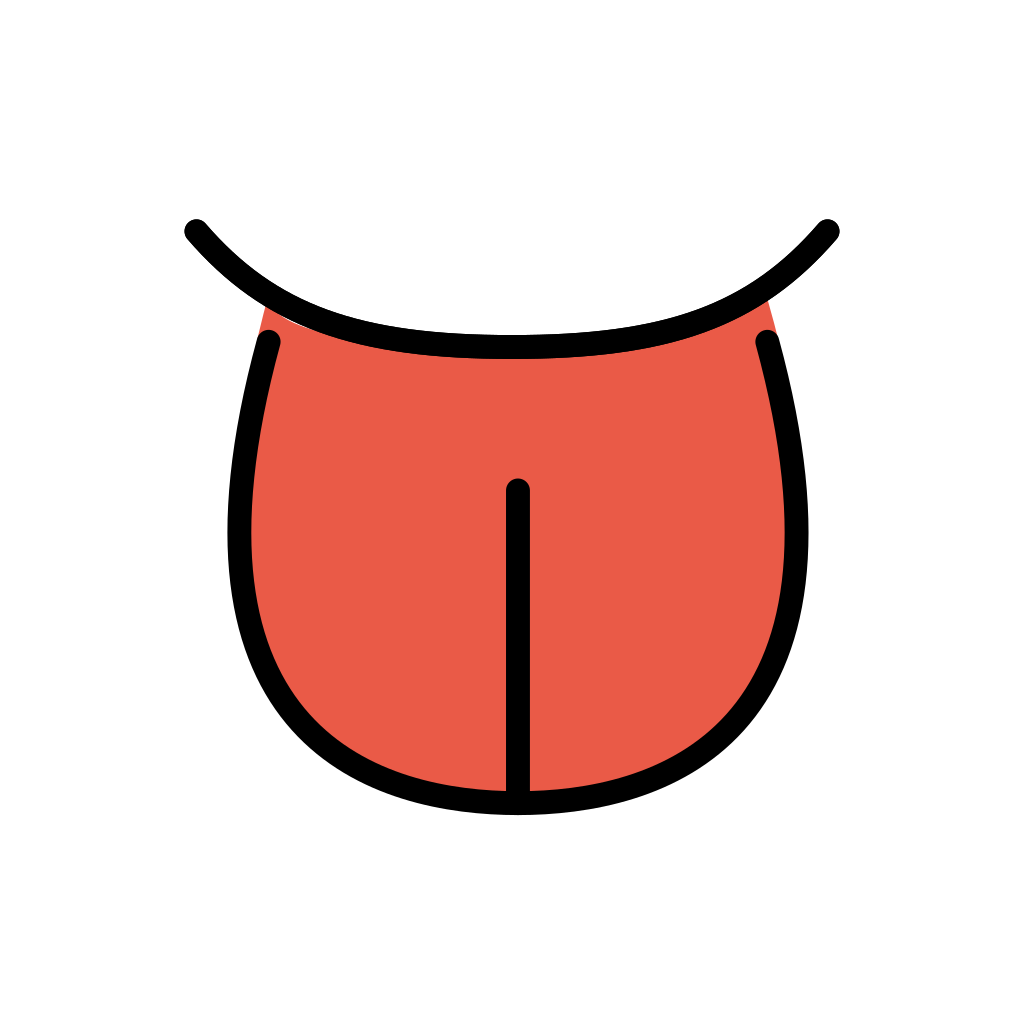
👅 represents the tongue and often adds a playful or teasing tone. It suits ‘just kidding’ messages, reactions to tasty food, and cheeky exchanges between friends.
Compare platform designs and explore its recorded visual history.
66 recorded appearances across 20 platform families
Platform comparison
Compare the Tongue emoji across platforms
10 platform designs
Compare 👅 in Apple, Google, Samsung and other styles. Download each available version as a transparent PNG directly from its card, or choose SVG where available. Copying the character uses the style of the receiving device.
Enhanced PNGs are reconstructed from smaller vendor artwork; the exact originals are shown above for comparison. Artwork credits & usage terms
The visual archive
Tongue emoji design history
66 recorded appearances across 20 platform families
Follow this emoji’s recorded designs, from the earliest artwork on the left to the latest documented version on the right. Download a particular original to keep its platform design.
Original dimensions and animation are preserved. Dates labelled “Date unverified” have not been independently verified; limited-precision records show only the known month or year. Date checks identify the named release, not the first appearance of every drawing. Releases that reuse a drawing are not necessarily separate design milestones. Unavailable originals are marked on their records. How this archive is documented →
The meaning
What does the 👅 Tongue emoji mean?
The Tongue emoji features a pink or reddish human tongue sticking out, usually from an invisible or smiling mouth. It conveys playfulness, silliness, or a lighthearted 'just kidding' vibe. Visually, it serves as a non-verbal cue for teasing, cheekiness, or responding to something delicious or aesthetically pleasing in a casual digital environment.
Common uses
Expressing a sense of 'just kidding' or lighthearted sarcasm during text-based banter.
Reacting to appetizing food or visual content that evokes a 'yum' response.
Signaling silliness or a goofy mood when paired with funny photos or selfies.
In certain subcultures, it is used to denote a provocative or flirtatious attitude.
Background
Tongue was introduced in Unicode 6.0 in 2010. Unicode’s historical mapping data links this character to equivalent symbols in au by KDDI sets.
Copy 👅 to use the Unicode character; the receiving device chooses its appearance. Download an available PNG or SVG to keep a particular drawing. Historical originals retain their native bytes and dimensions. Enhanced PNGs are separately labeled generated derivatives.