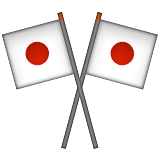
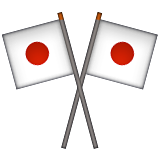
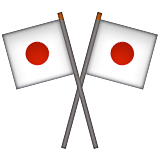
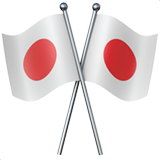
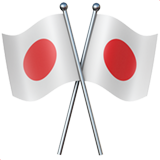
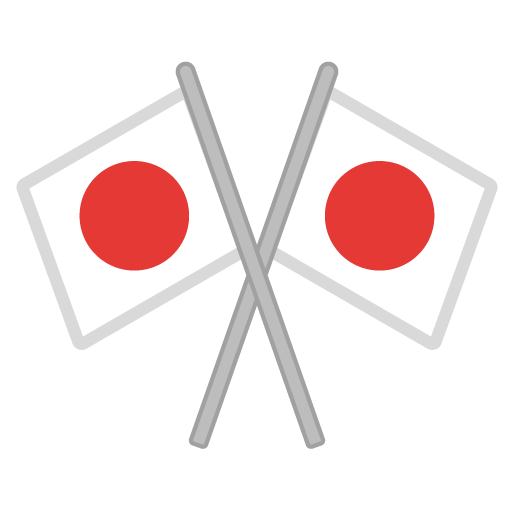
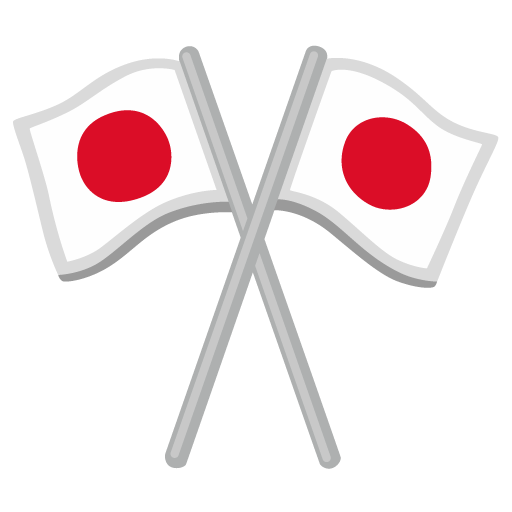
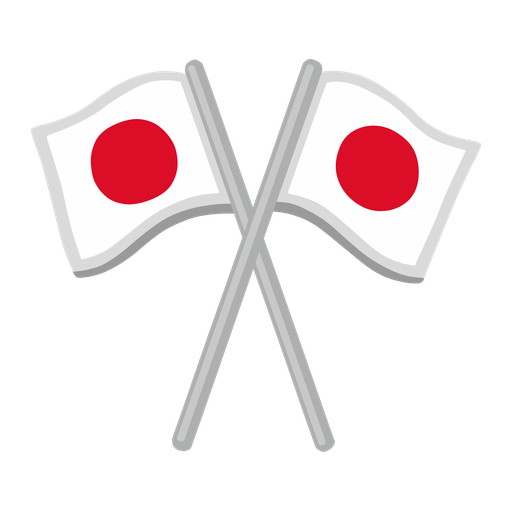
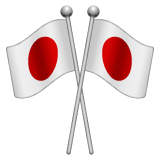
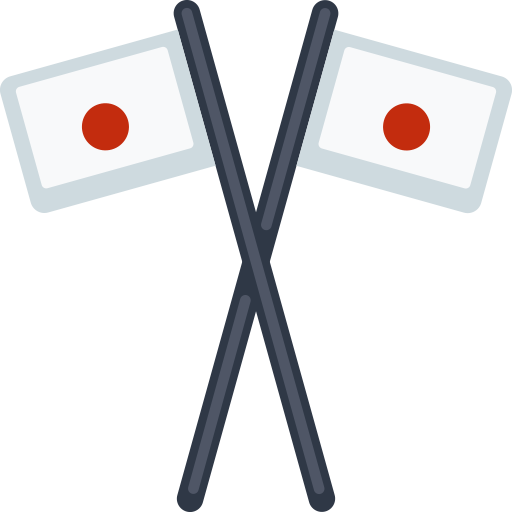
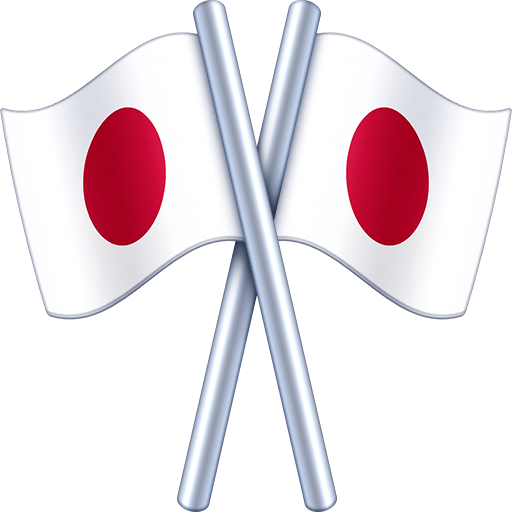
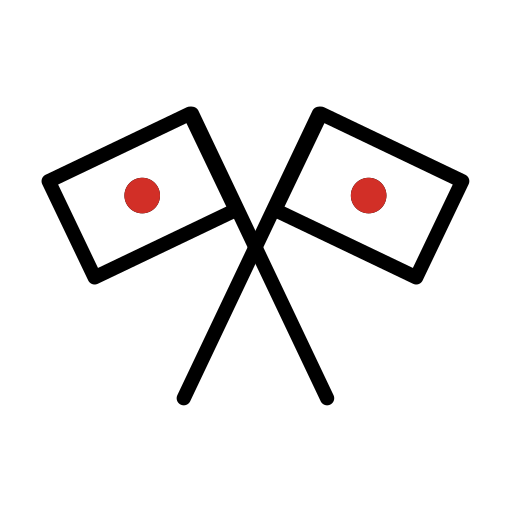
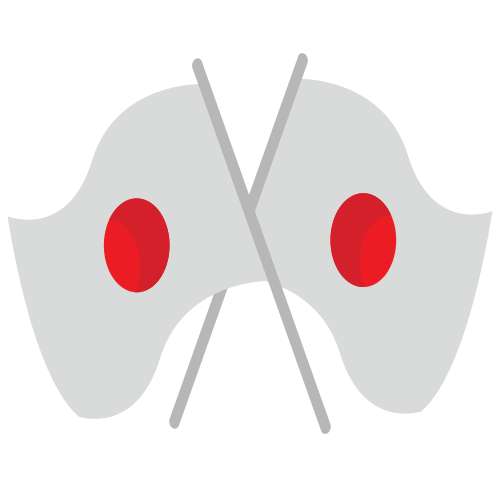
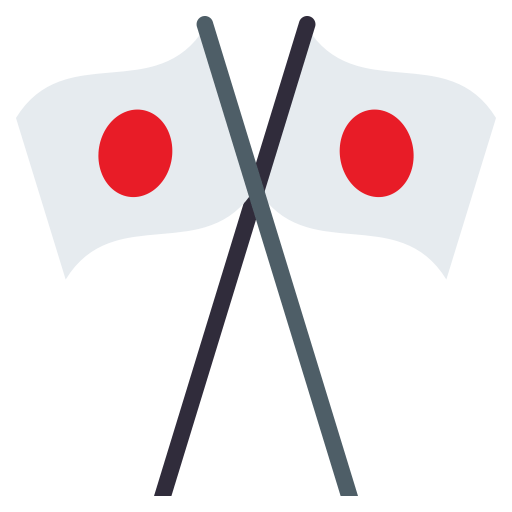
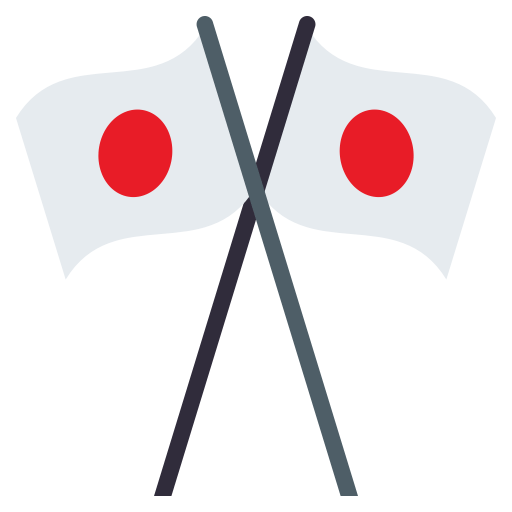
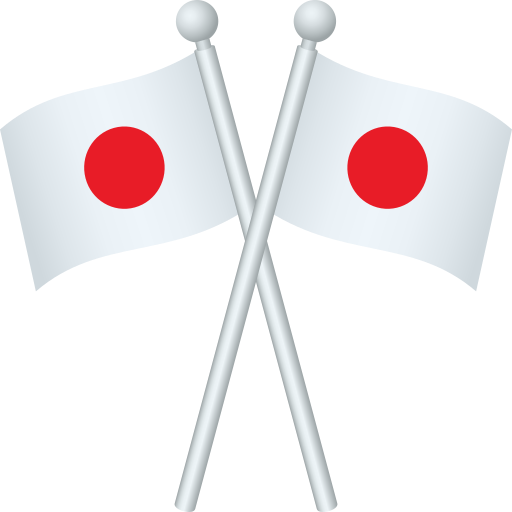
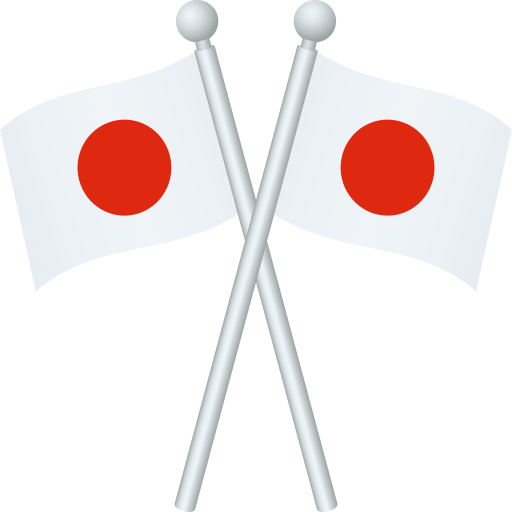
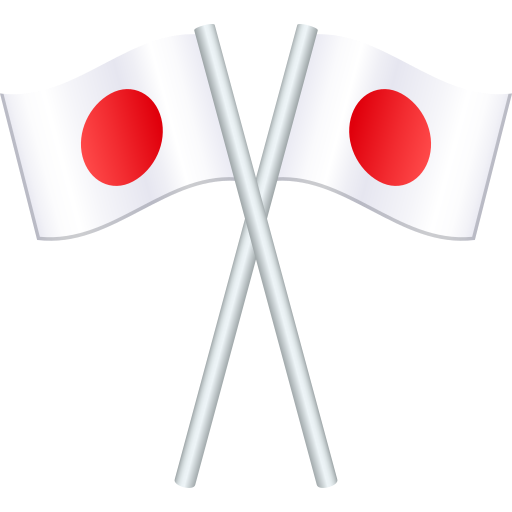
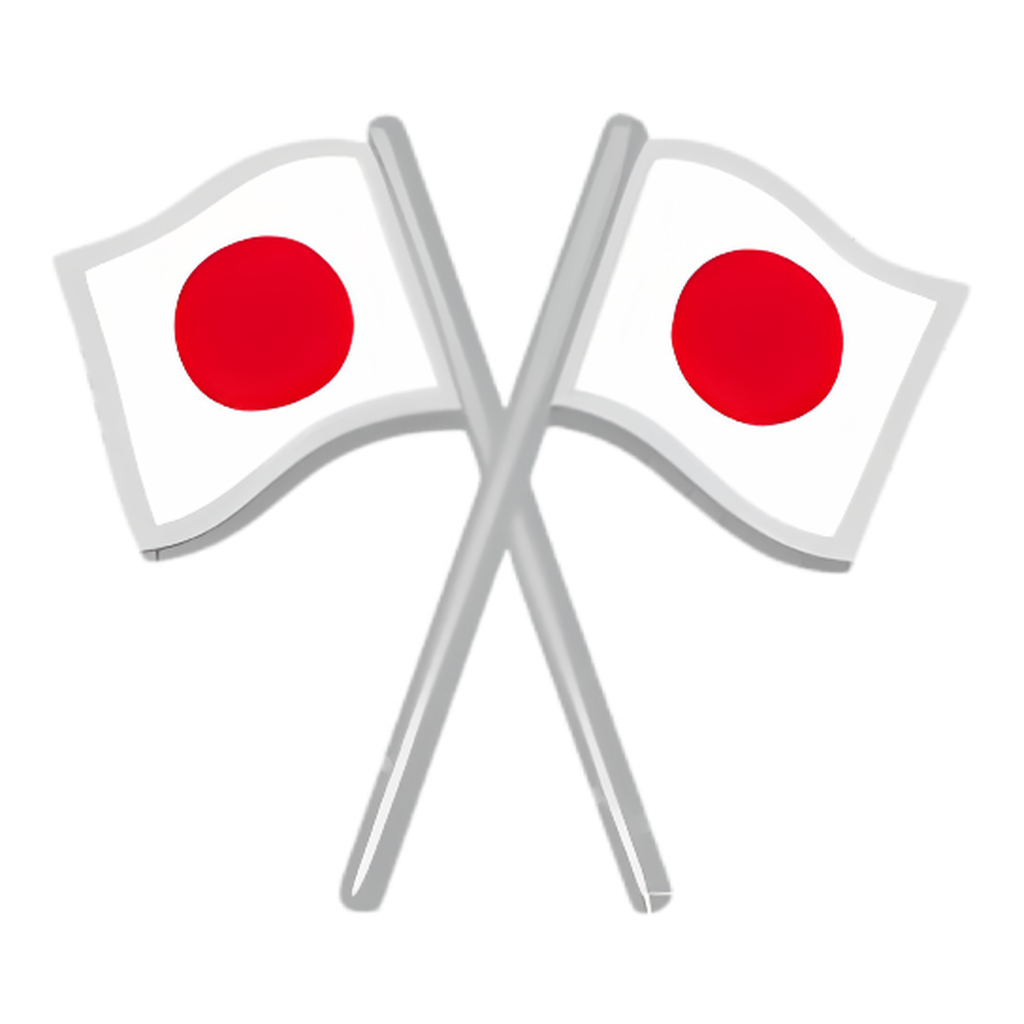
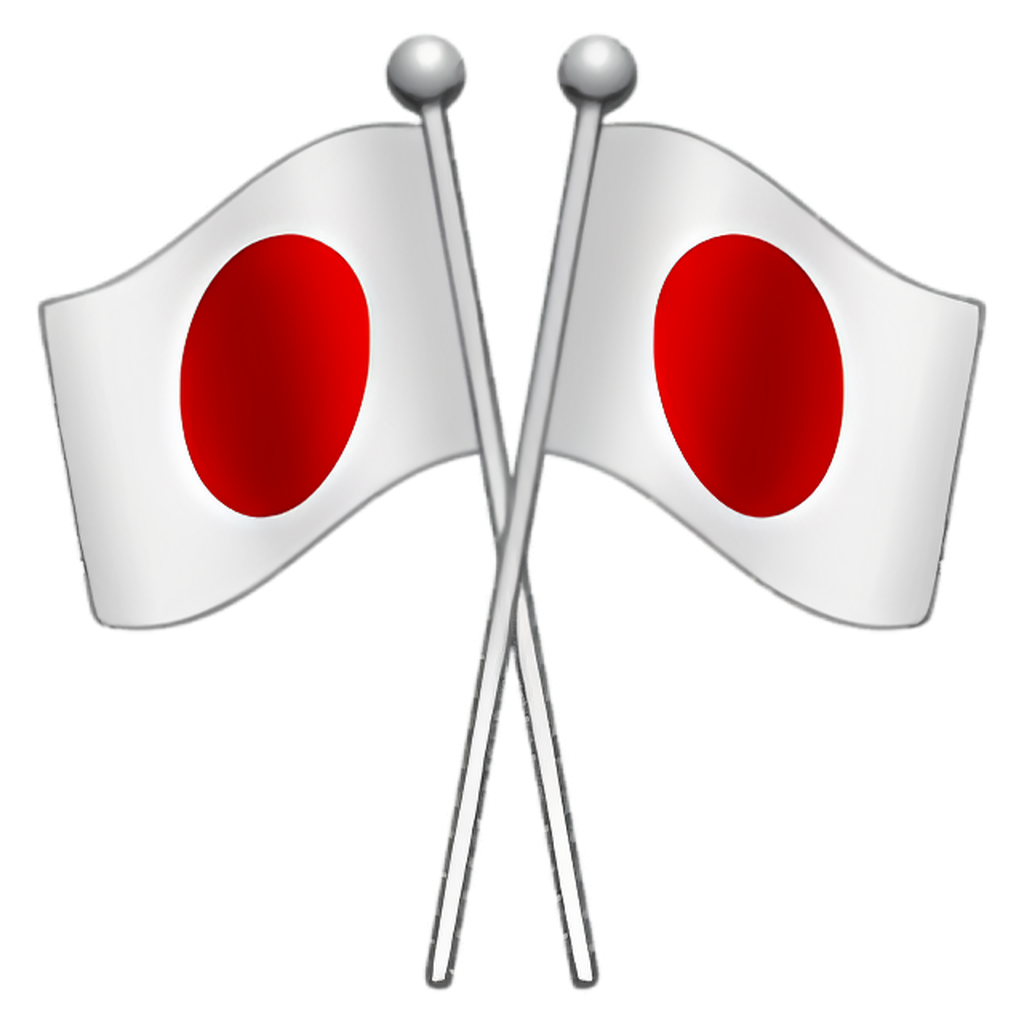
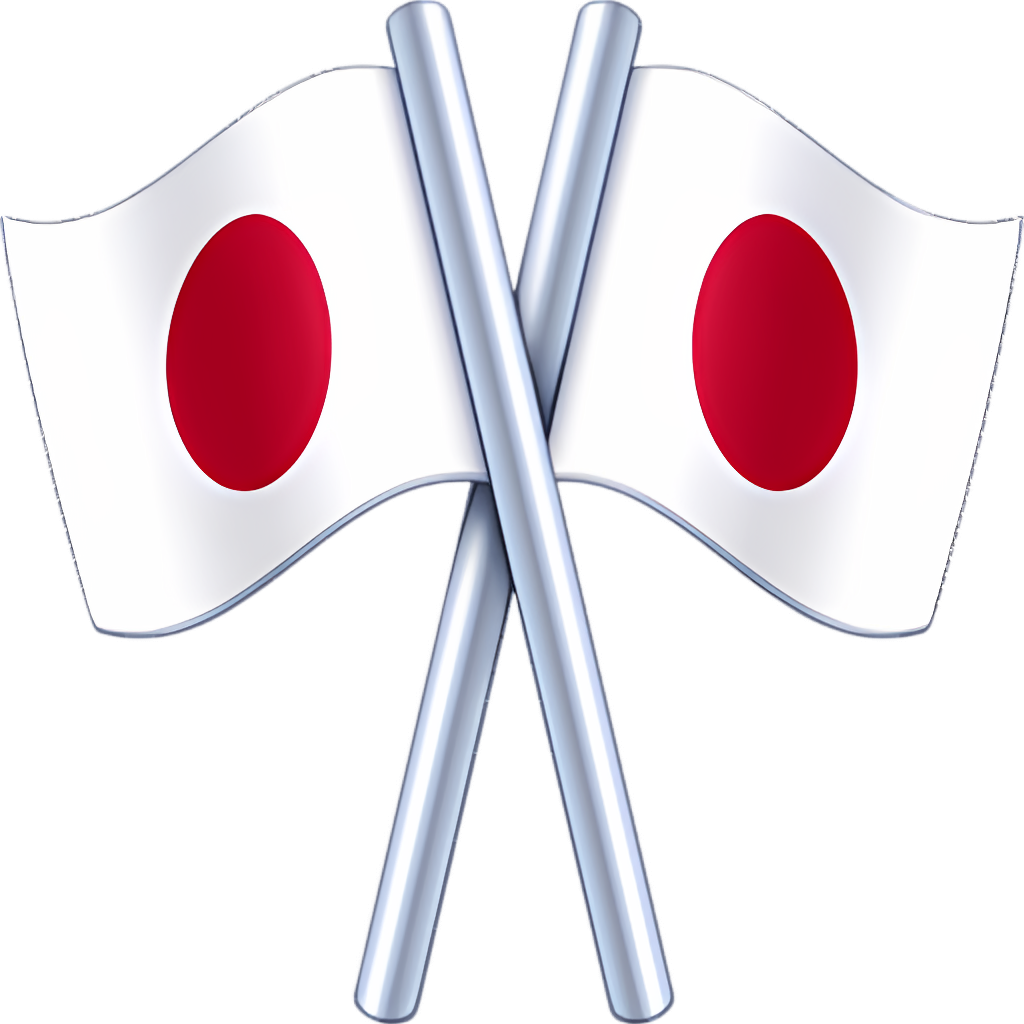
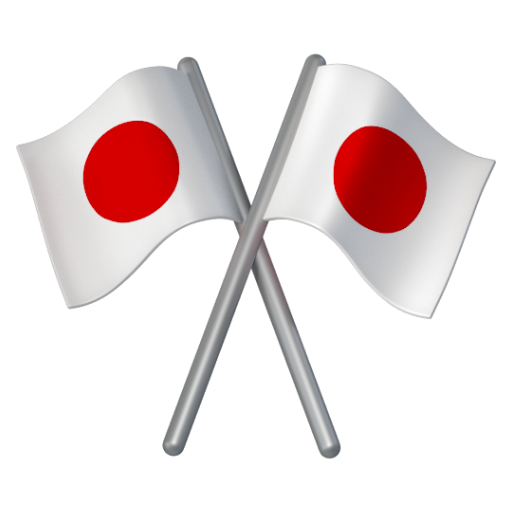
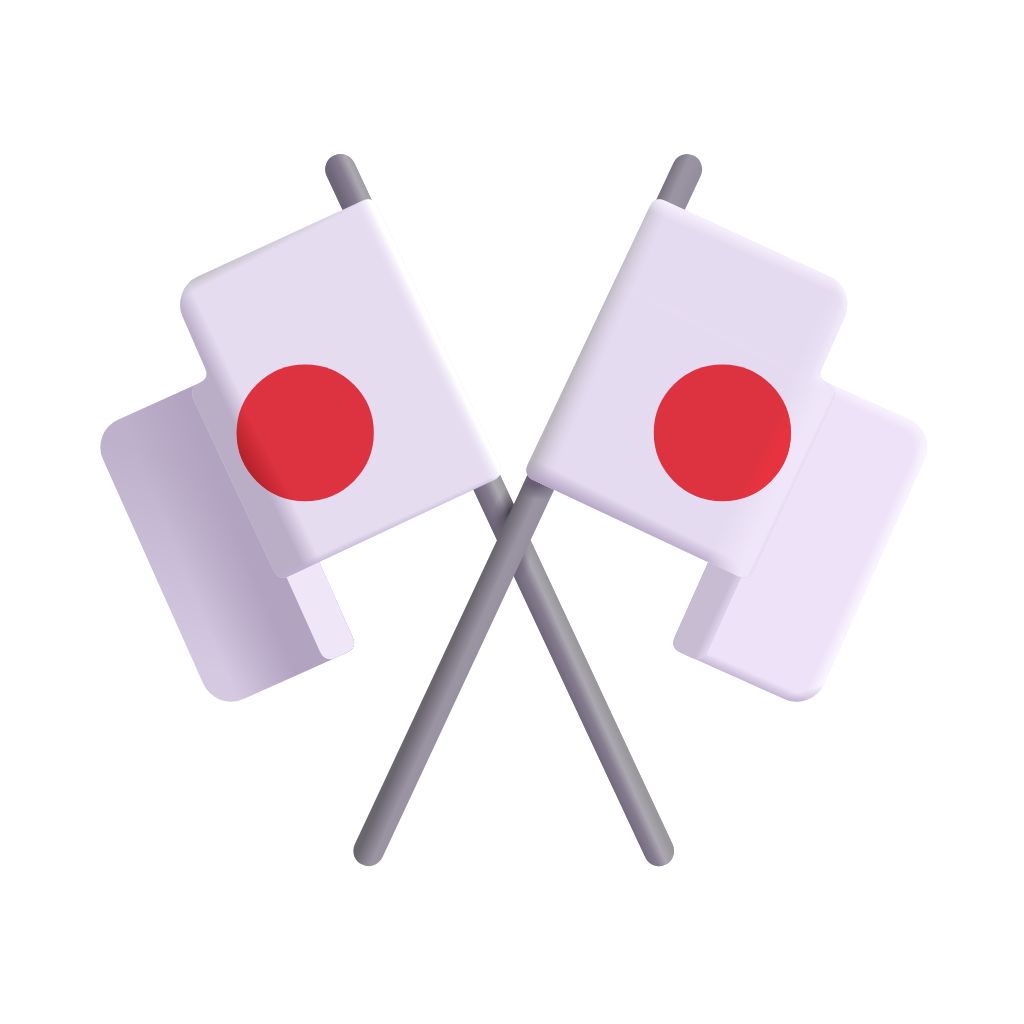
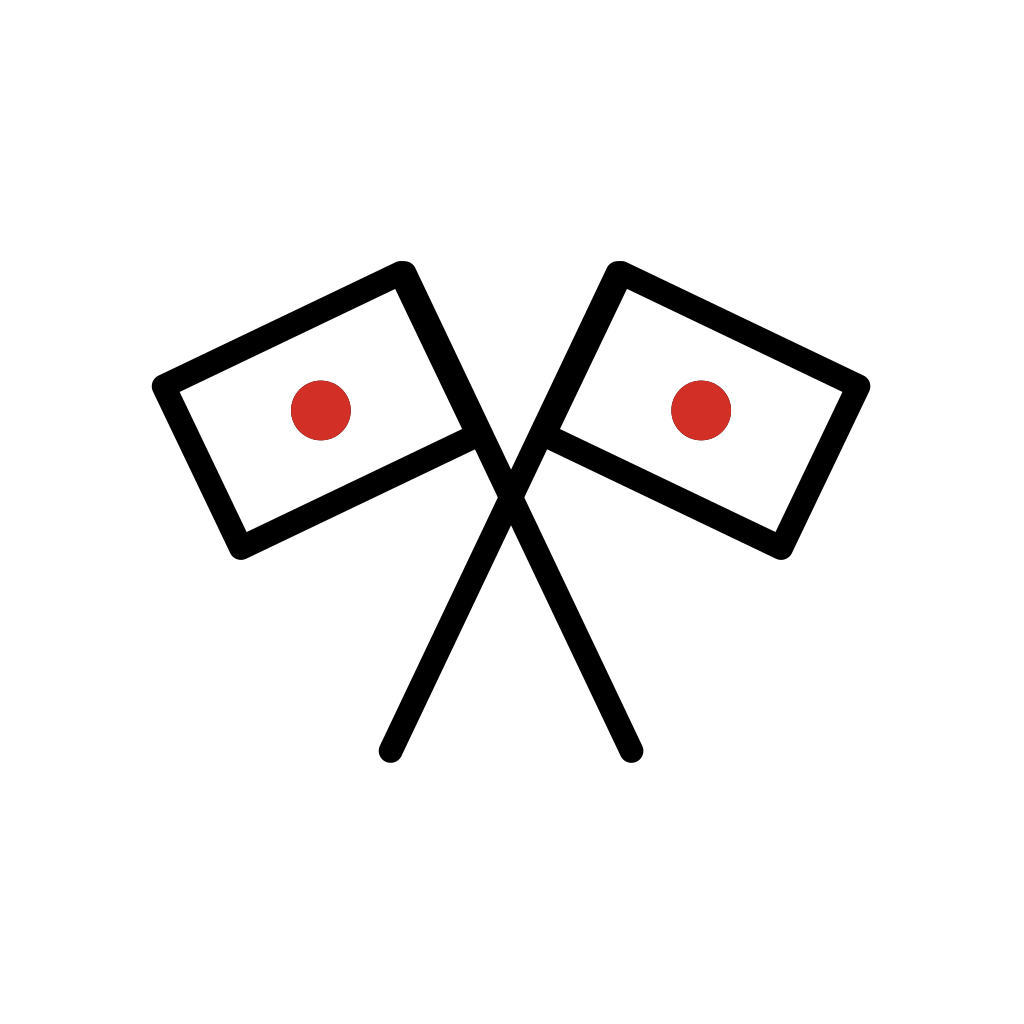
🎌 Represents two crossed Japanese flags, often associated with celebration. Used for Japanese public holidays, formal occasions, and messages about events and traditions in Japan.
Compare platform designs and explore its recorded visual history.
69 recorded appearances across 19 platform families
Platform comparison
Compare the Crossed Flags emoji across platforms
10 platform designs
Compare 🎌 in Apple, Google, Samsung and other styles. Download each available version as a transparent PNG directly from its card, or choose SVG where available. Copying the character uses the style of the receiving device.
Enhanced PNGs are reconstructed from smaller vendor artwork; the exact originals are shown above for comparison. Artwork credits & usage terms
The visual archive
Crossed Flags emoji design history
69 recorded appearances across 19 platform families
Follow this emoji’s recorded designs, from the earliest artwork on the left to the latest documented version on the right. Download a particular original to keep its platform design.
Original dimensions and animation are preserved. Dates labelled “Date unverified” have not been independently verified; limited-precision records show only the known month or year. Date checks identify the named release, not the first appearance of every drawing. Releases that reuse a drawing are not necessarily separate design milestones. Unavailable originals are marked on their records. How this archive is documented →
The meaning
What does the 🎌 Crossed Flags emoji mean?
The Crossed Flags emoji features two Japanese national flags with white backgrounds and red circular centers, known as the Hinomaru, joined at their poles. It signifies celebration, national pride, and traditional ceremonies within Japan. Visually, the crossed arrangement denotes a formal or commemorative atmosphere, often used to mark public holidays or significant state events.
Common uses
Celebrating Japanese public holidays such as Coming of Age Day or Culture Day.
Expressing hospitality and welcome during international sporting events like the Olympics.
Indicating a specific interest in Japanese history, traditional arts, or diplomacy.
Marking a festive or 'Grand Opening' atmosphere for new businesses or community projects.
Background
This emoji was officially standardized in Unicode 6.0 in 2010. It has historical mappings to KDDI and SoftBank carrier symbols.
Copy 🎌 to use the Unicode character; the receiving device chooses its appearance. Download an available PNG or SVG to keep a particular drawing. Historical originals retain their native bytes and dimensions. Enhanced PNGs are separately labeled generated derivatives.